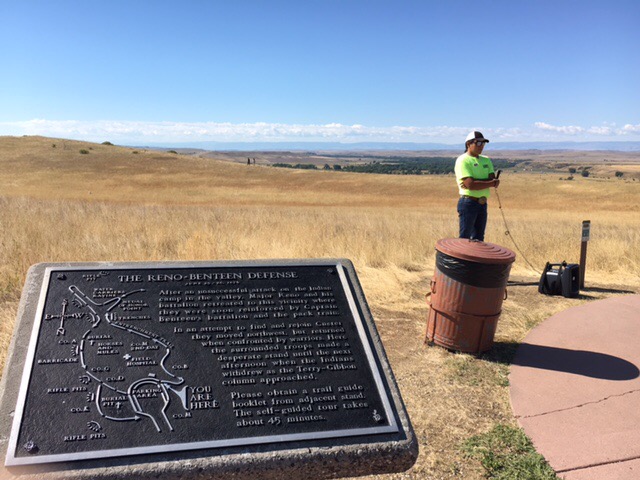
In 1868 the US signed the Laramie Treaty with the Lakota and other tribes ceding reservation lands and creating unceded territory for the use of the nomadic tribes for hunting. In 1873 the US experienced a severe recession. In 1874 gold was discovered in the Black Hills. Food was scarce on the reservations and many Lakota and Cheyenne moved out to the unceded lands banding together in one extremely large village. In 1875 the US offered to buy back the Black Hills. The Lakota refused to sell their sacred lands. The US government issued an order that all Indians return to their reservations by January 31, 1876 in the middle of an unusually bitterly cold winter. The US military planned a three pronged attack to force the natives back on to their reservations. The most famous of the resultant battles occurred here on June 25-26, 1876. We listened to an excellent ranger presentation on the Battle of Little Bighorn then took the Apsaalooke narrated bus tour during which a member of the Crow nation told us the story of the confrontation the Native Americans know as the Battle of Greasy Grass.
Queen Mary 2’s arrival in the Port of Dakar, Senegal was heralded in the local press and greeted with ceremony. Our own excursion took us on a coach journey through the streets of the capital city to visit a Wolof village and the shore of Lake Retba, the salty lake famed for an intense pink color.
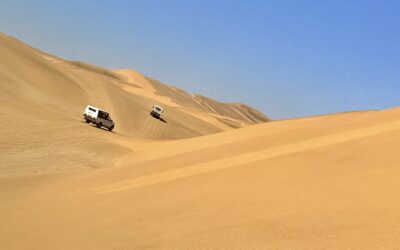
Today’s safari adventure transported us out into the Dorob National Park to have up close encounters with little creatures that are well adapted to the extreme heat and lack of water in the Namib Desert.
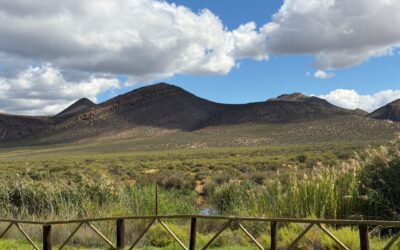
With a UNESCO World Heritage Site, two national parks, dozens of museums, and hundreds of tours offered in the Cape Town area there is more than plenty to do. For our two day visit we opted to concentrate on African wildlife visiting the Aquila Private Game Reserve and the Boulders Beach Penguin Colony for a wonderful chance to these fabulous animals in their own habitat.



0 Comments