A phenomenon that we observe is that inanimate objects have the ability to transform themselves into Easter Eggs and find challenging hiding places for themselves. One would think that living in a space as small as our T@B would make it easy to find misplaced items with so few places available to store stuff but we still manage on occasion to find ourselves searching for elusive belongings. Three such adventures are a bit memorable. We blogged not once but twice when the corkscrew became an Easter Egg. The keys hiding in Karen’s pocket delayed us yesterday but since we have spares for most of them, we didn’t have to be in a total panic. The Easter Egg that remained in hiding the longest was the blue comb. It disappeared a day or so before our stay at the CCC Campground in early August. Today we found it hiding as an Easter Egg in a logical place with other personal care items but not in the drawer where it belongs. Bluetooth tiles might relieve us of anxiety when one of our possessions transforms into an Easter Egg but then we wouldn’t have the fun of the search. And…if we tagged everything down to corkscrews and combs, we’d be totally overwhelmed with Bluetooth signals.
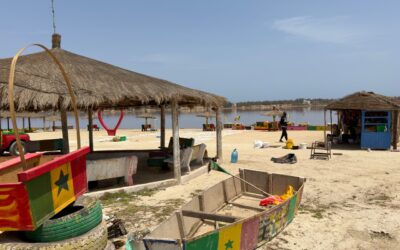
Queen Mary 2’s arrival in the Port of Dakar, Senegal was heralded in the local press and greeted with ceremony. Our own excursion took us on a coach journey through the streets of the capital city to visit a Wolof village and the shore of Lake Retba, the salty lake famed for an intense pink color.
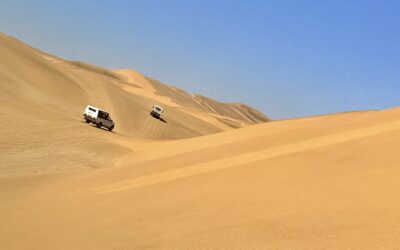
Today’s safari adventure transported us out into the Dorob National Park to have up close encounters with little creatures that are well adapted to the extreme heat and lack of water in the Namib Desert.
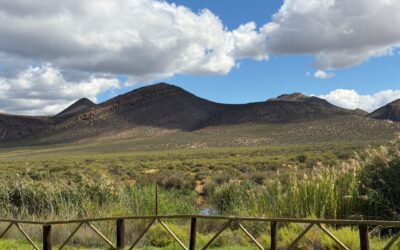
With a UNESCO World Heritage Site, two national parks, dozens of museums, and hundreds of tours offered in the Cape Town area there is more than plenty to do. For our two day visit we opted to concentrate on African wildlife visiting the Aquila Private Game Reserve and the Boulders Beach Penguin Colony for a wonderful chance to these fabulous animals in their own habitat.




0 Comments