

Sunday 29 March 2026
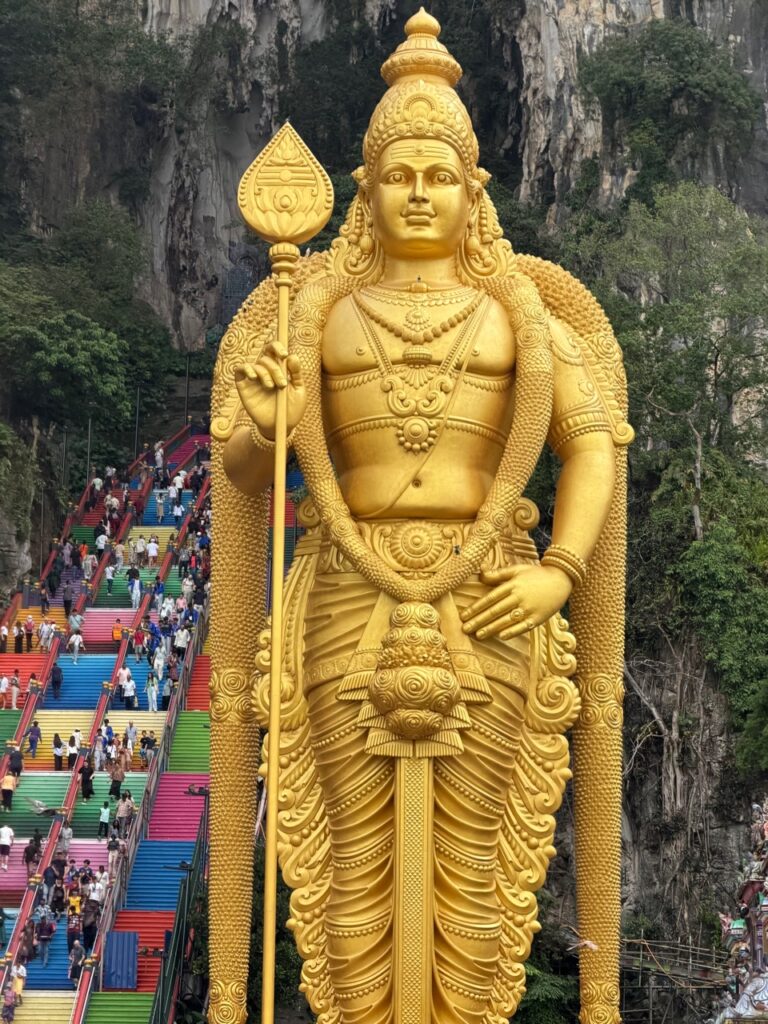
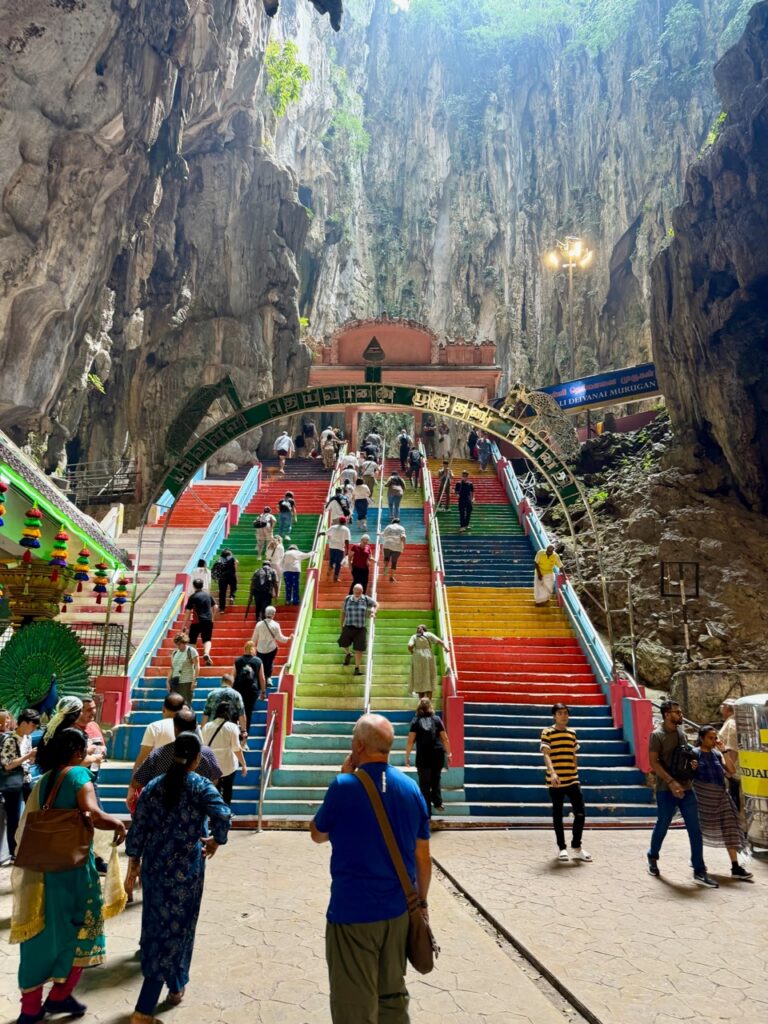
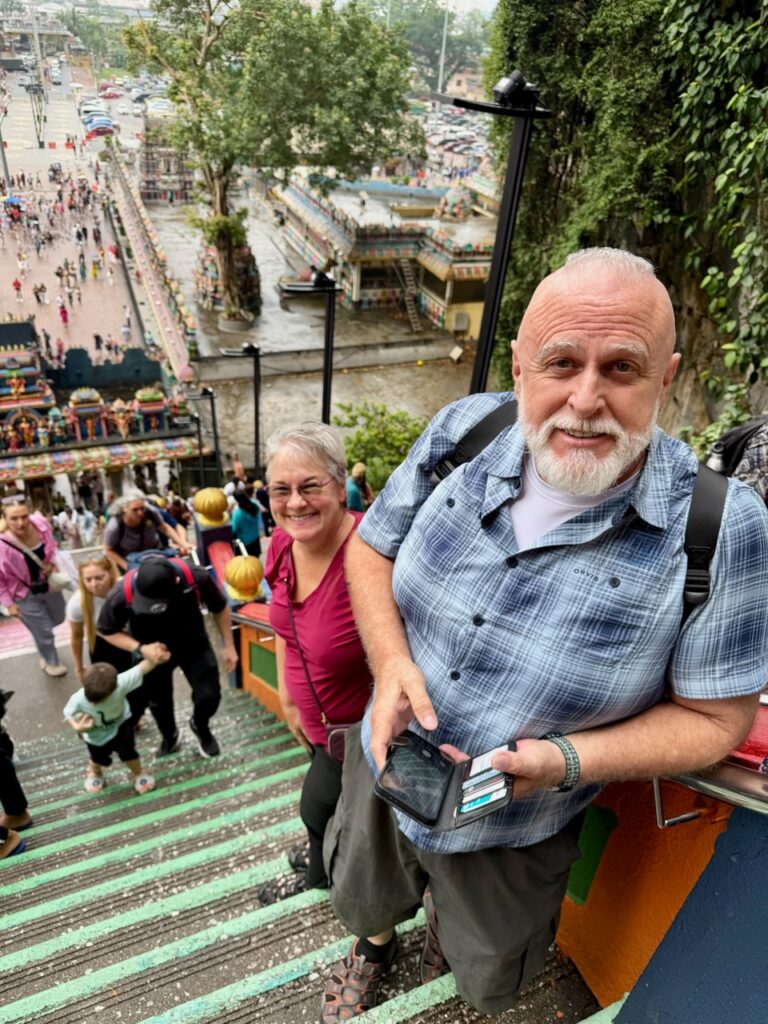
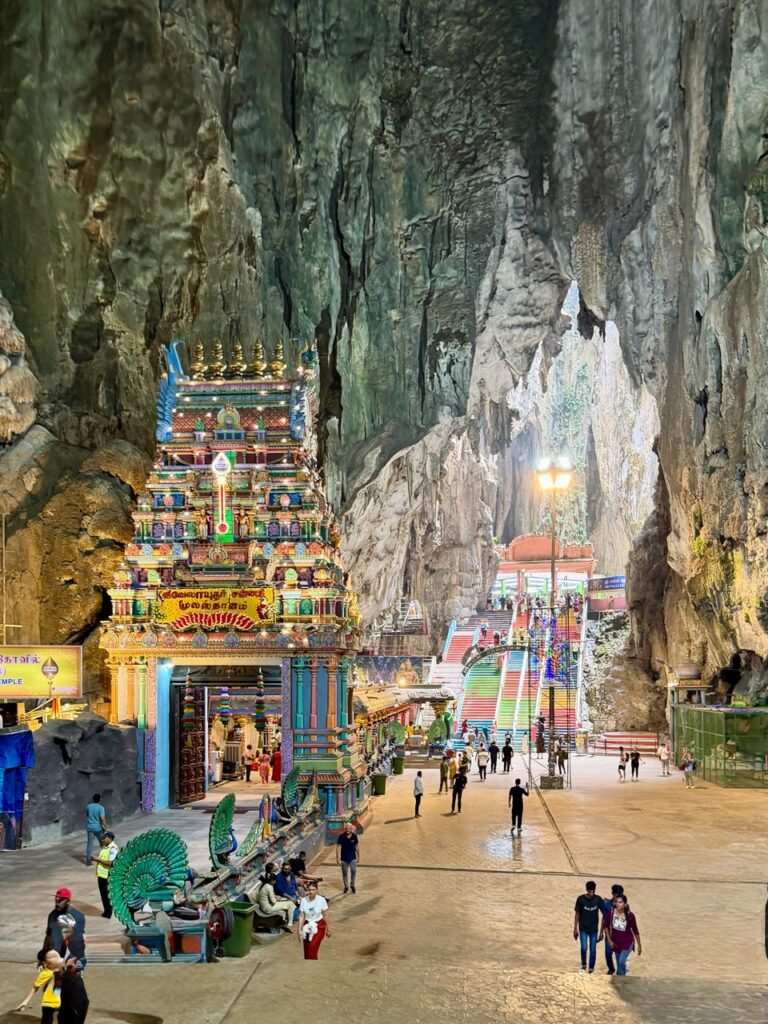
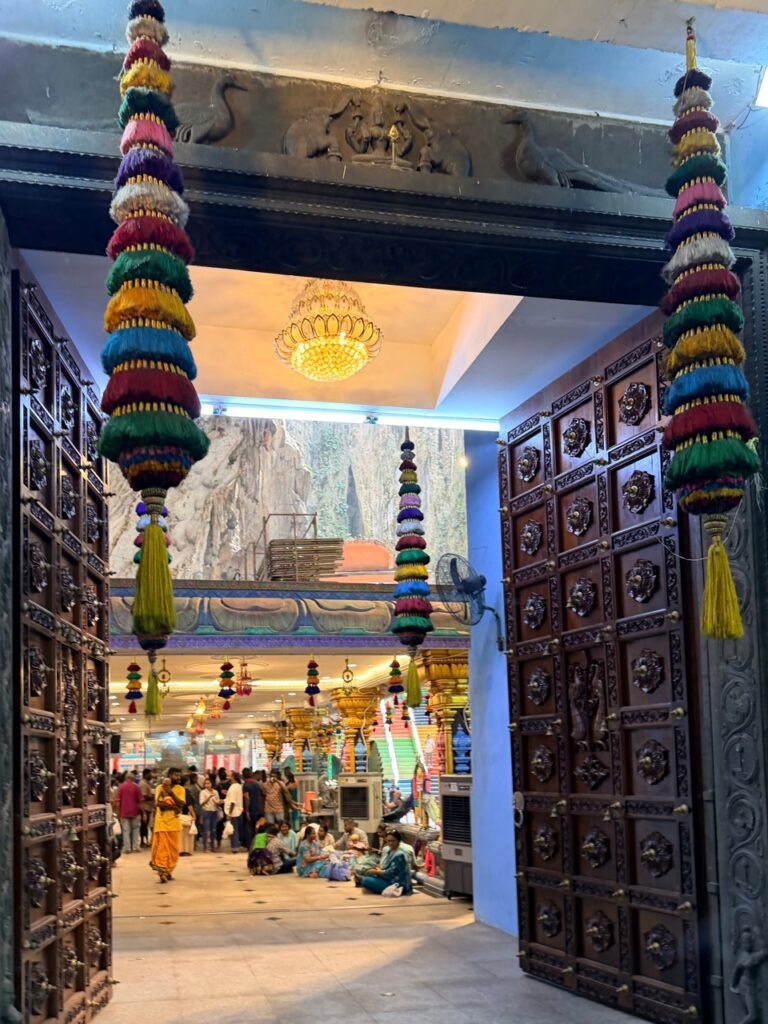
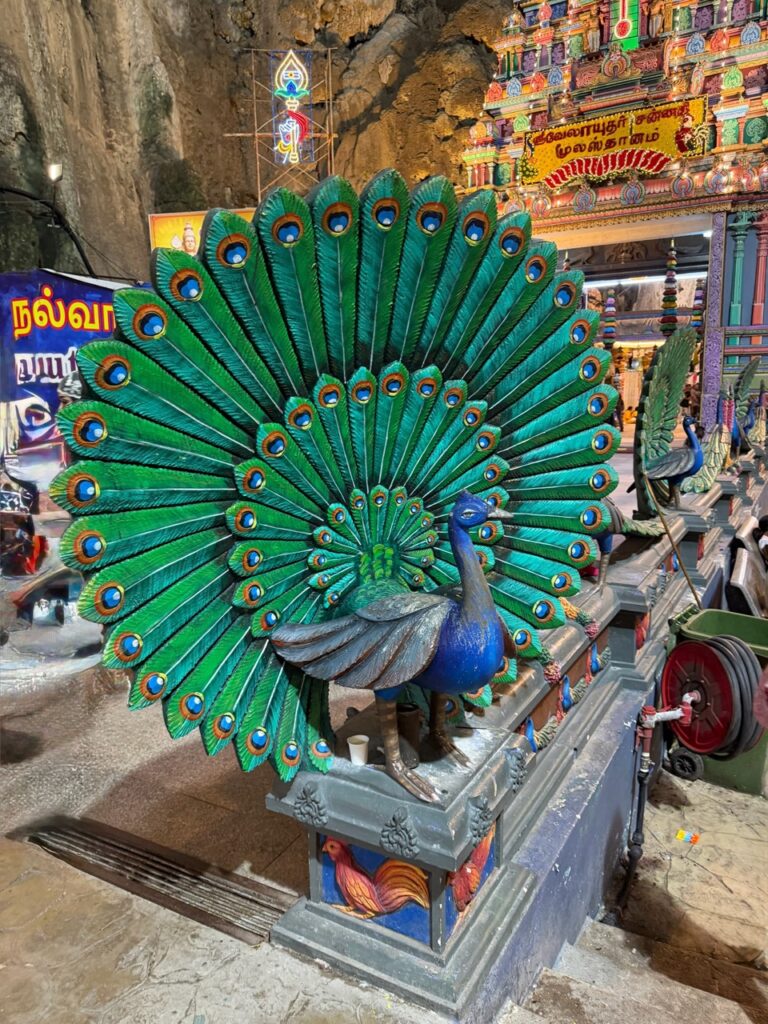
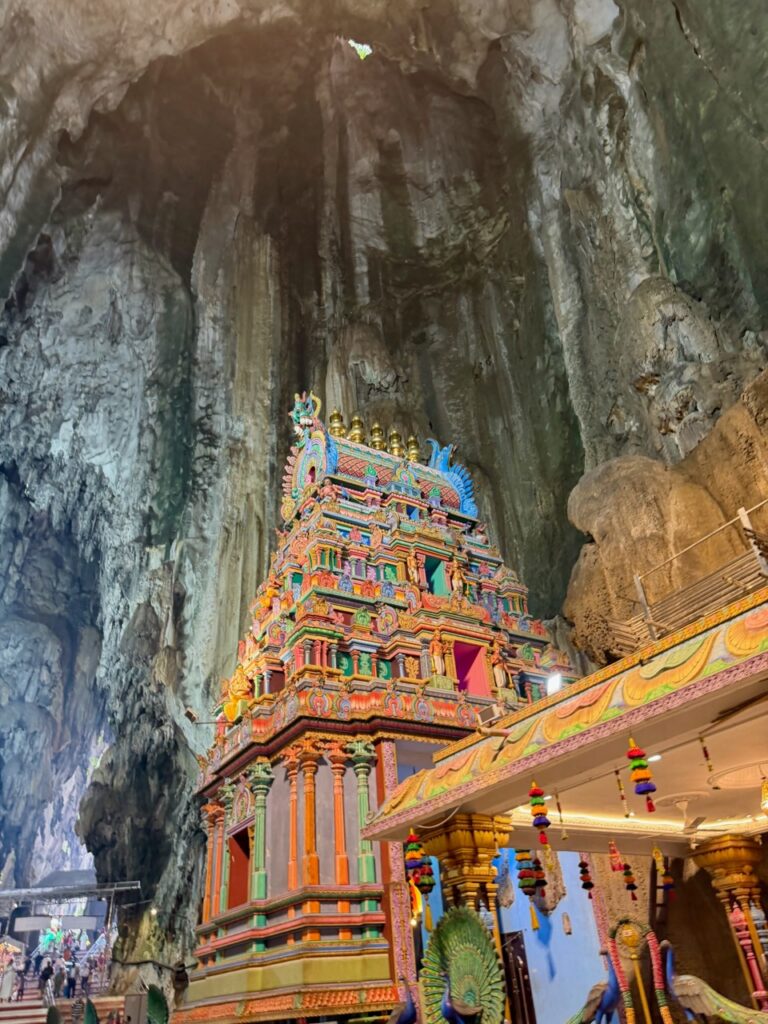
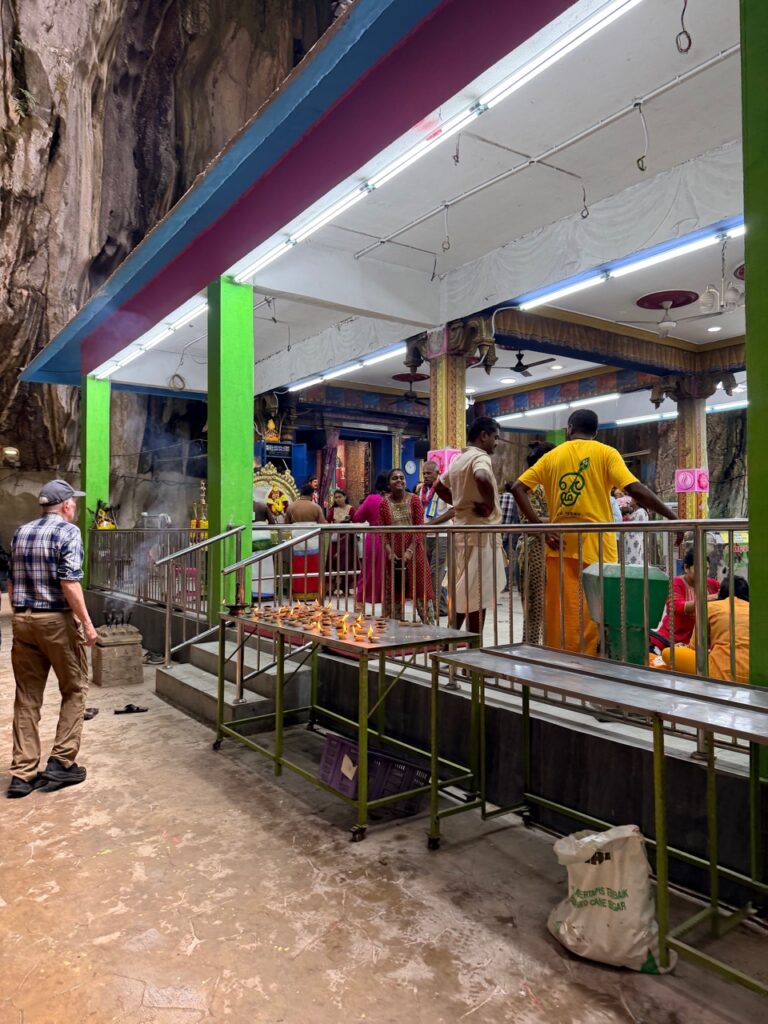
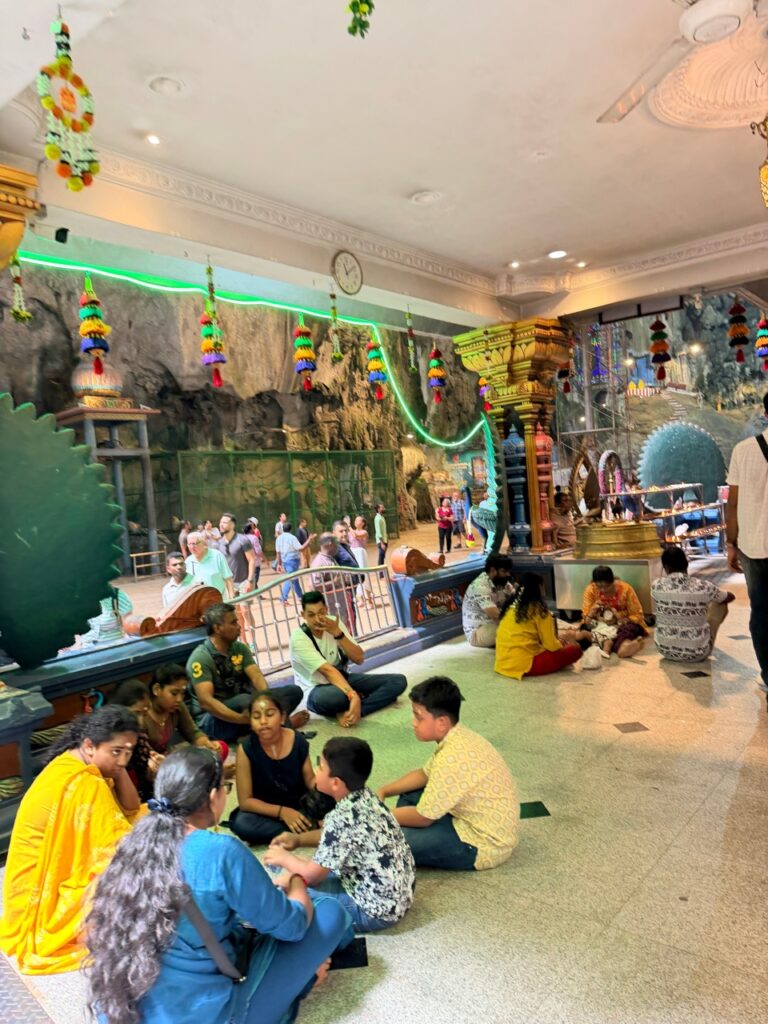
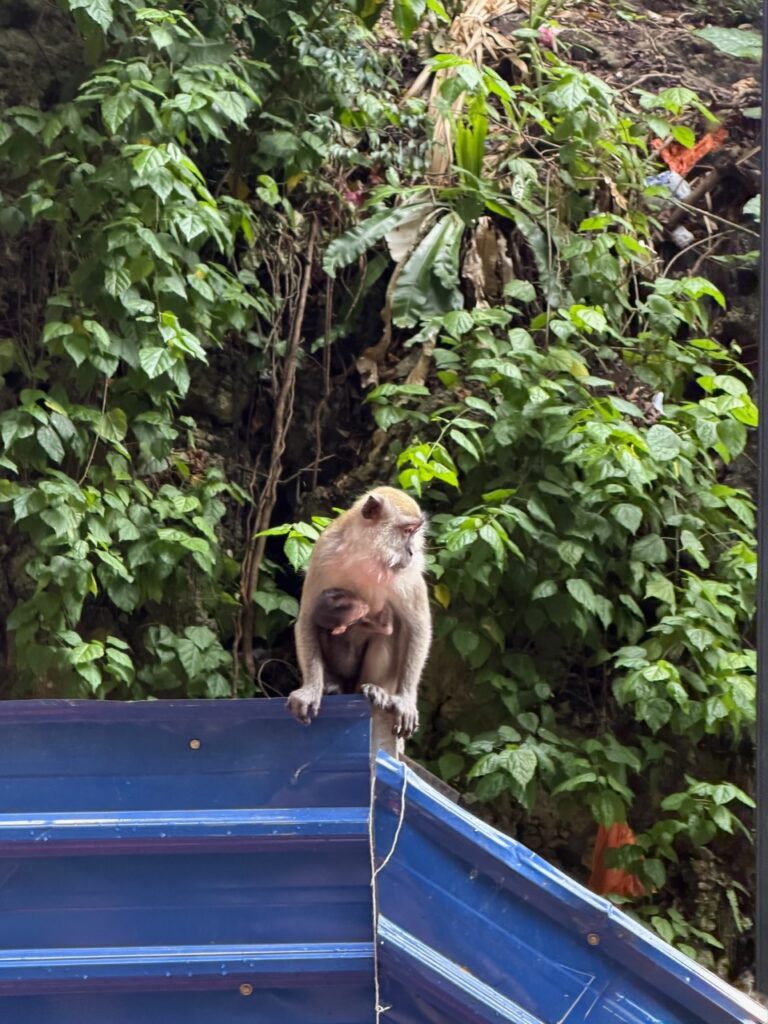
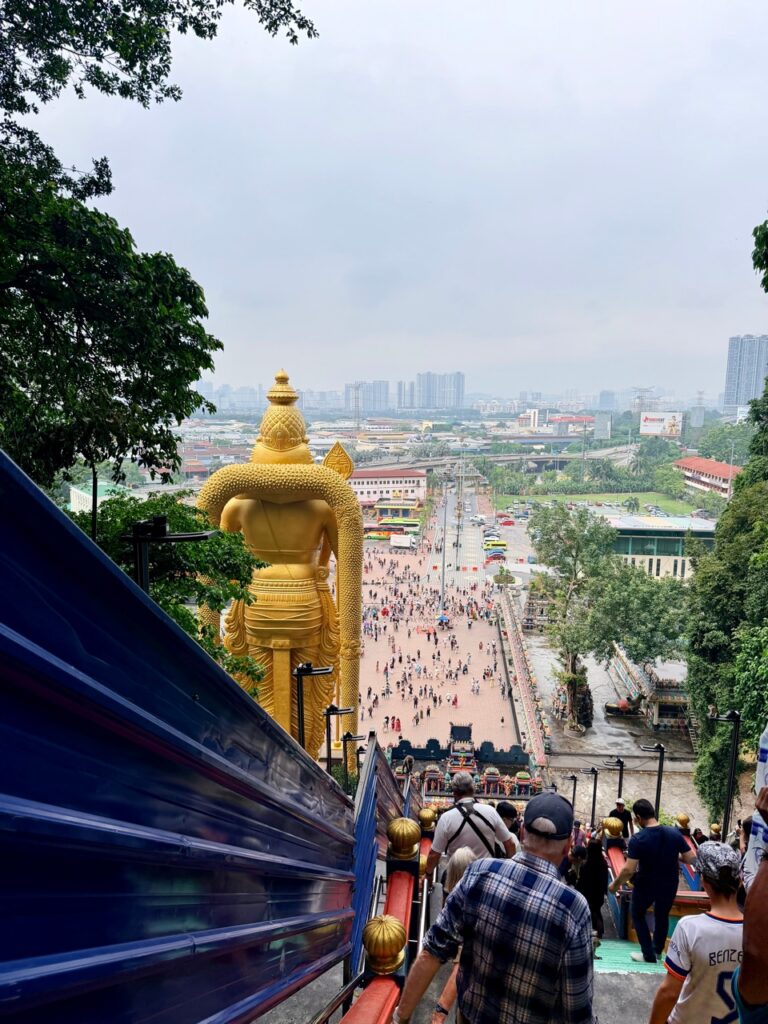
Our shore experiences while Queen Mary 2 is berthed at the Port Klang Cruise Terminal today near Kuala Lumpur, the capital of Malaysia, were a pairing of very different activities based on the fact that both are located near one another geographically northeast of the capital city of Kuala Lumpur. “Batu Caves and School of Hard Knocks” combined a visit to a premier Hindu temple in an immense limestone cave with a visit to a world leading pewter manufacturer for a hands-on workshop. Malaysia, is the Southeastern Asian country that lies between Thailand to the north and Singapore to the south on the Malay Peninsula with two provinces on the nearby island of Borneo. Upon gaining independence from Britain in 1957, it established a constitutional monarchy but one that is unique in that nine sultans share one throne in a rotational system in which each in turn serves as the king, the head of state, for a five year term. The hour long coach journey from the port to Batu Caves gave our guide Ramesh a chance to give us an overview of the history and a description of life in modern Malaysia. Just a smidge north of the equator the climate is hot and humid. Ramesh tells us that there’s usually just two weather forecasts, either raining or sunny, but today it’s cloudy, hot and humid. With a diversified economy exports include electronic chips, palm oil, rubber, and manufactured goods. In his opinion the food is one of the best things about Malaysia, it’s tasty and affordable. The literacy rate is high and there’s freedom of religion with most people practicing Islam, but Buddhism, Christianity, and Hinduism are fairly common. He also pointed out a few landmarks as we drove through the center of the city including the Petronas Towers, the world’s tallest twin towers, and the Merdeka 118 Tower, the world’s second tallest building. as well as all the high rise residential buildings since most people in Kuala Lumpur live in apartments. Then as we neared Batu Caves Ramesh told us that the caverns had originally been used as a source of bat guano for fertilizer. Now since its designation as a Hindu temple dedicated to the Hindu Deity Lord Murugan in 1890 it has become the most important Hindu pilgrimage site in Southeast Asia. Millions of devotees and travelers visit each year and especially during the Thaipusam festival, more than 2.5 million were expected in early February for this year’s festival alone. On this Sunday morning although traffic on the highway had been light, it was quite congested as we neared the shrine and spotted the gleaming gold statue of Lord Murugan and the 272 rainbow colored steps leading into the incredibly cavernous limestone cave. We joined the throngs making their way to the top, paused occasionally – just to admire the view, of course – and climbed on. As we entered the cave we realized we still had many steps yet to climb, but not before we removed our shoes and socks and reverently entered the first shrine. As we continued on we were awed by the number of Hindu families that had come together to worship, to make offerings, and to share a meal of sanctified food. And yes, they feed the monkeys that gather along the edges of the steps, and yes those monkeys feel entitled to human food. On our way down the steps we heard a young girl scream then watched as a monkey snatched a bag of chips from her before perching atop a post, deftly opening the bag, and daintily eating the chips. We also experienced the slime along the handrails from bits of banana from the monkeys’ snacks. It all contributed to a very real, very authentic experience, solidly in our top three for this 2026 journey.
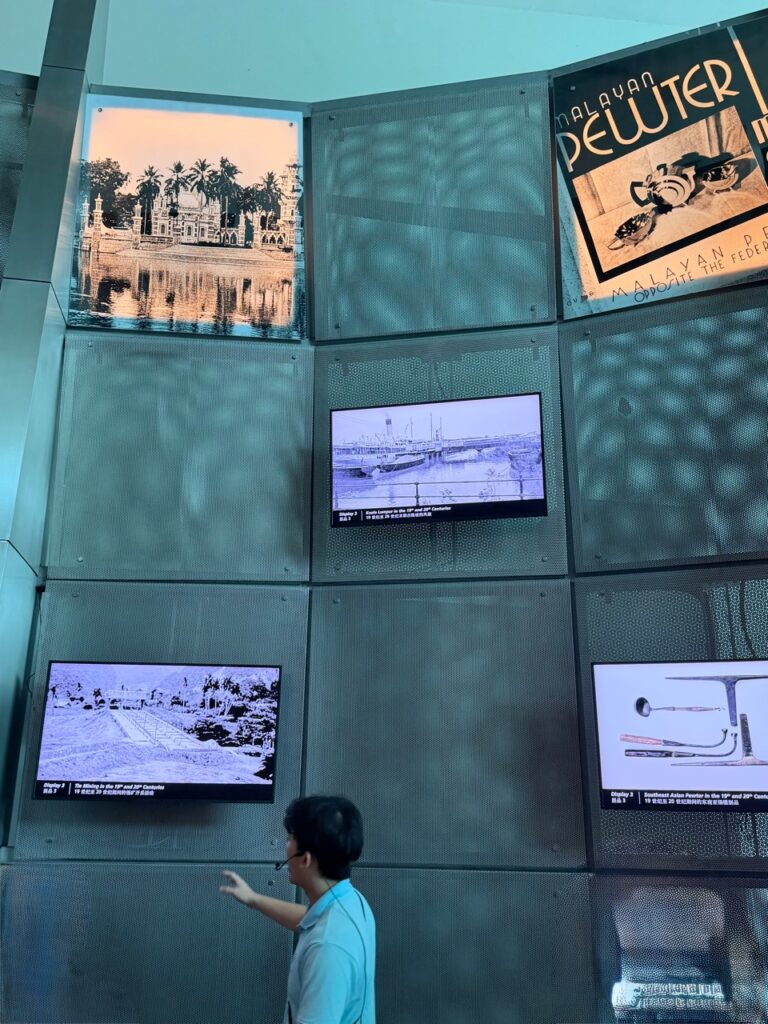
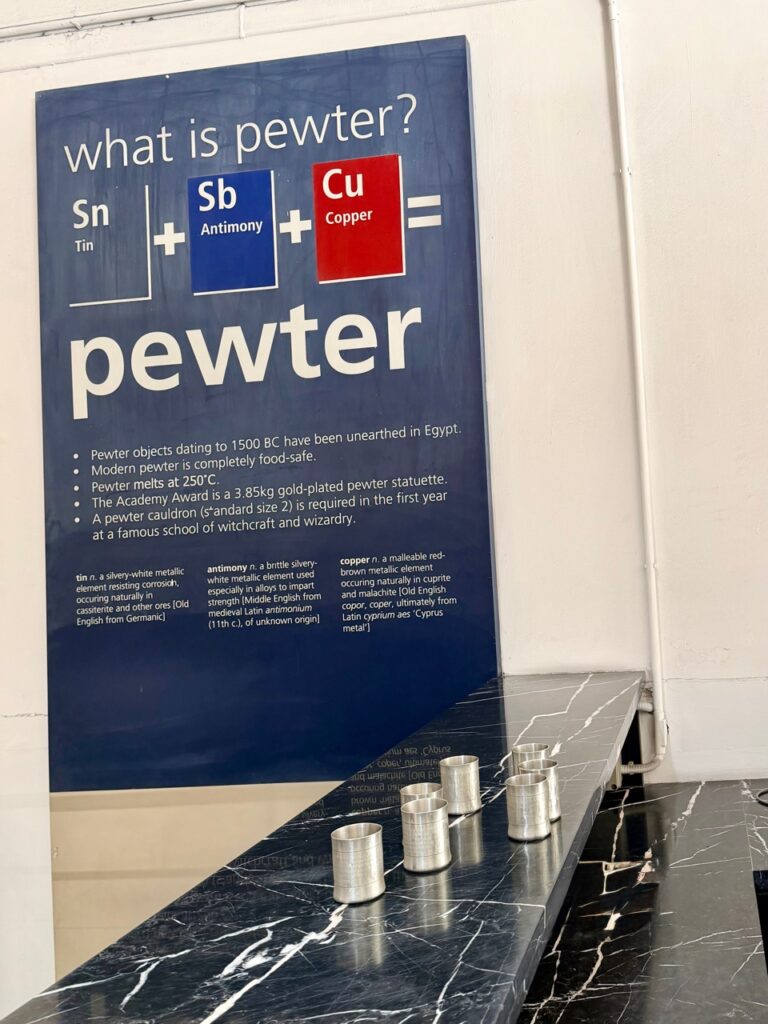
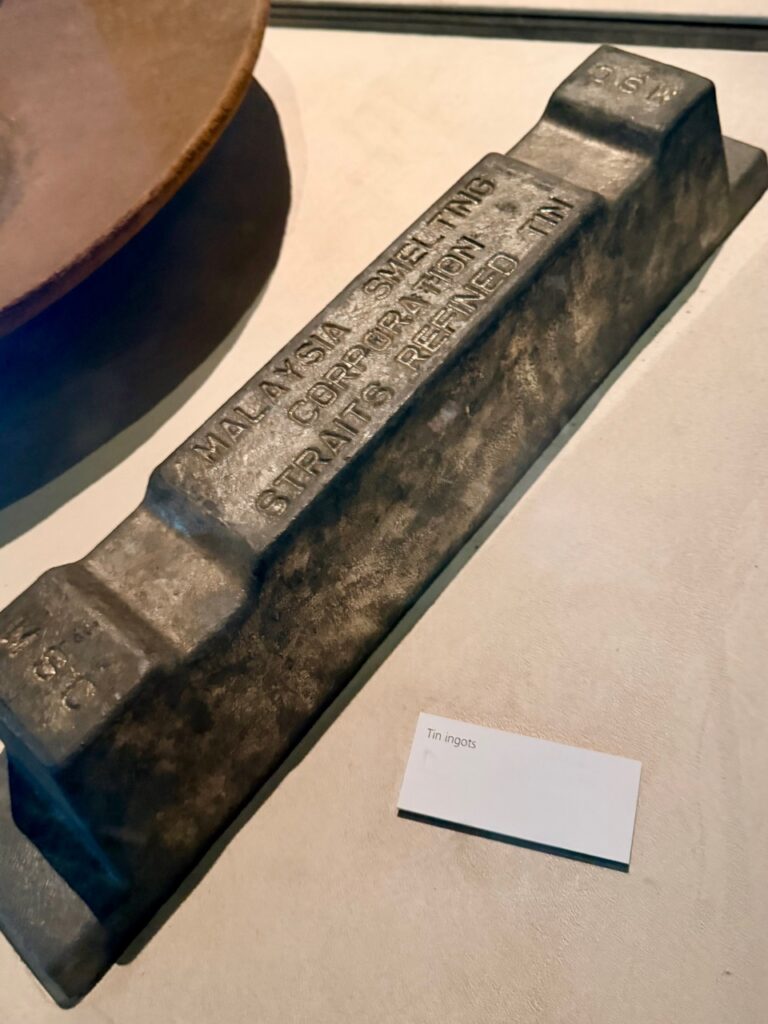
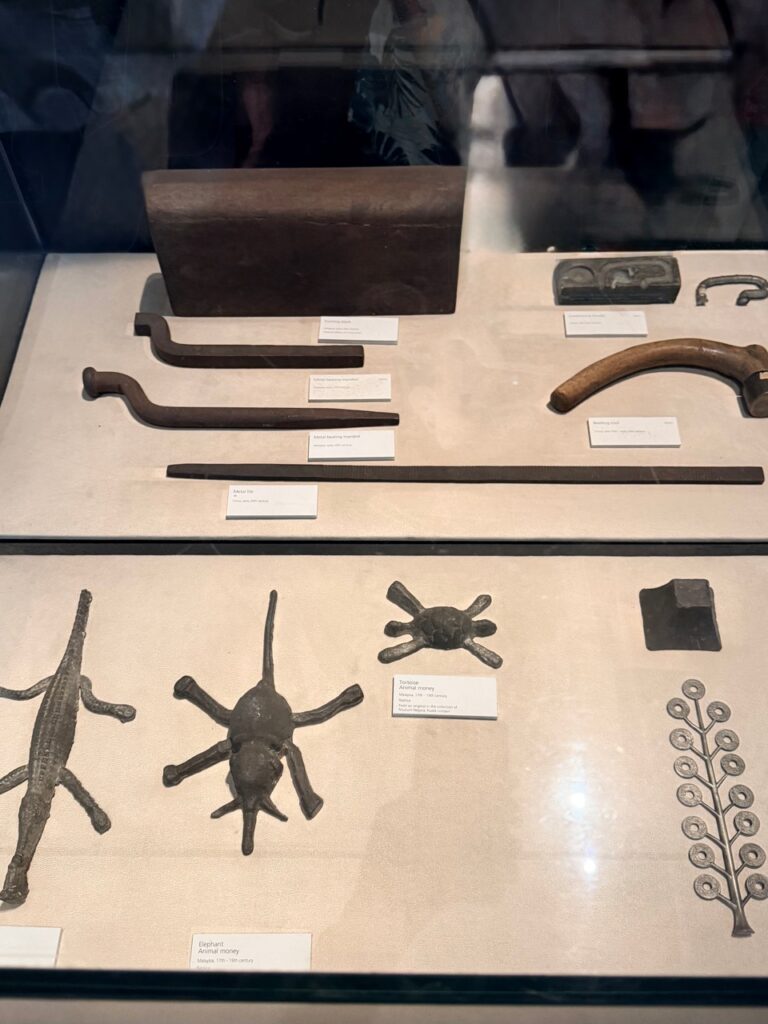
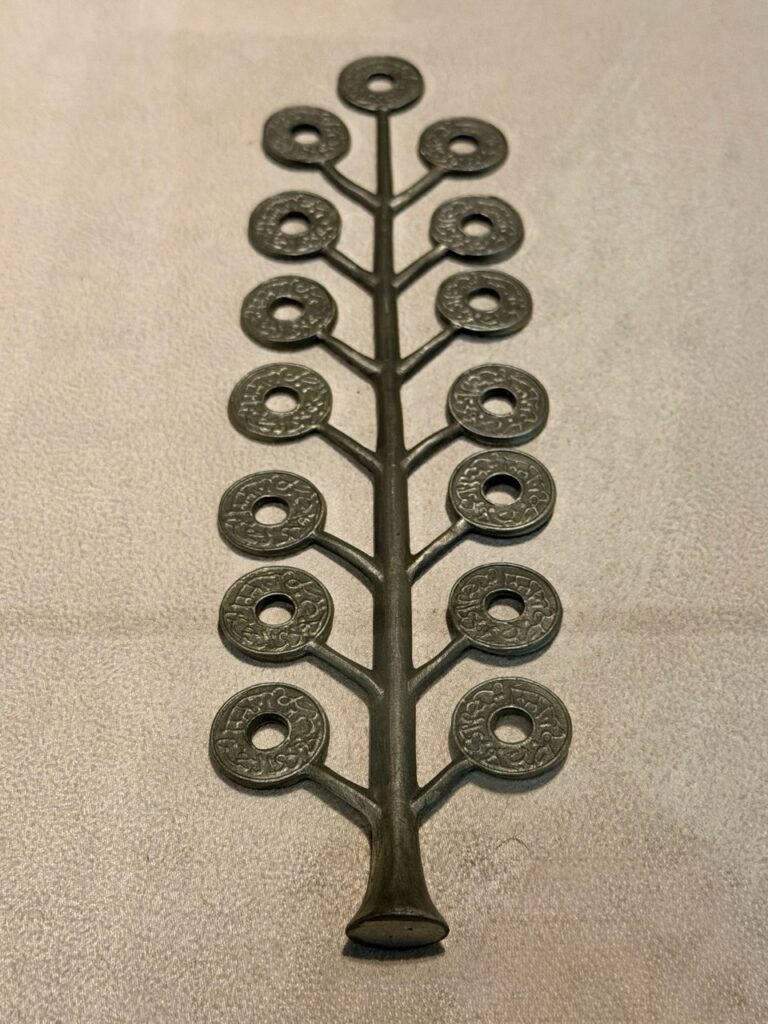
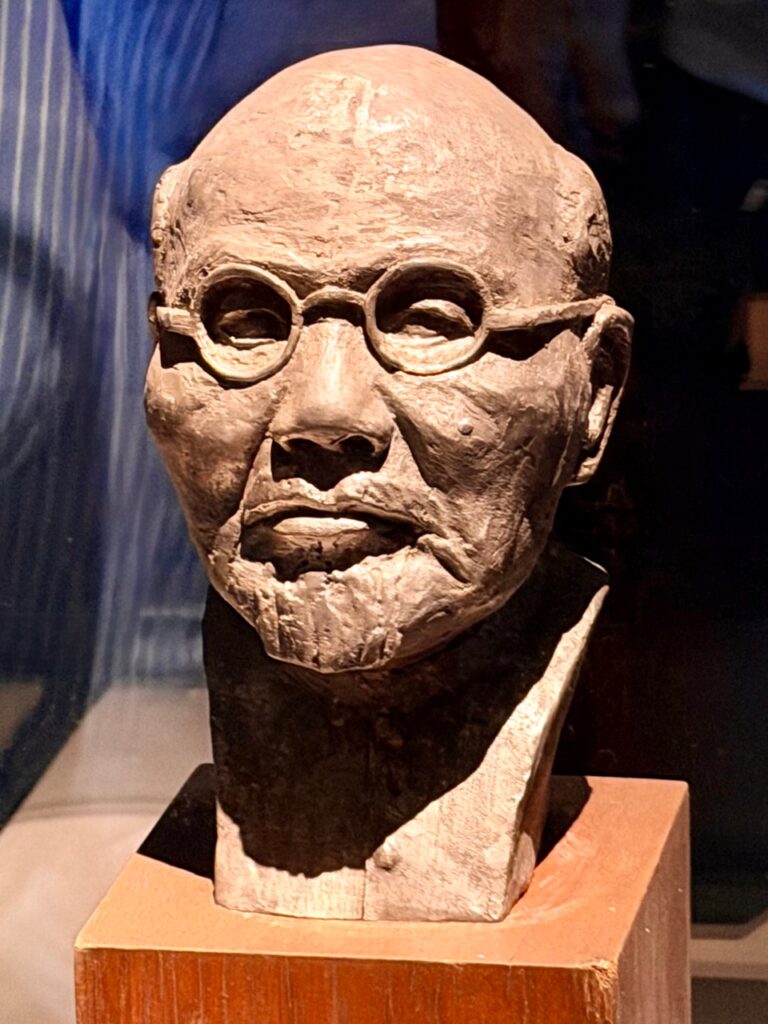
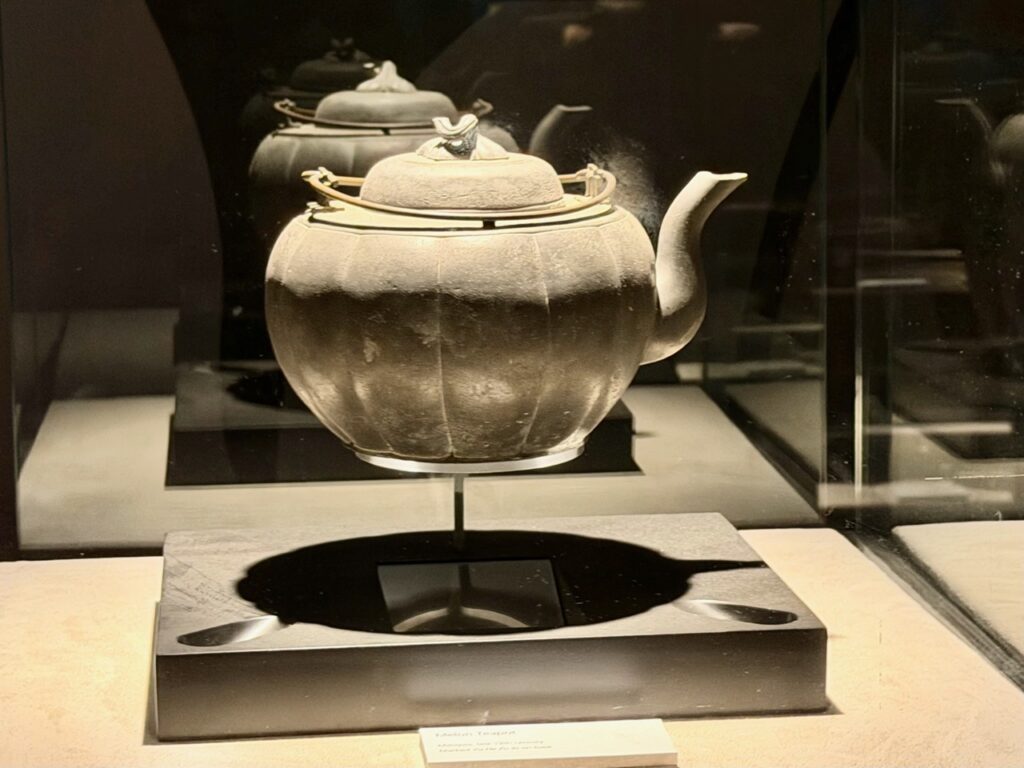
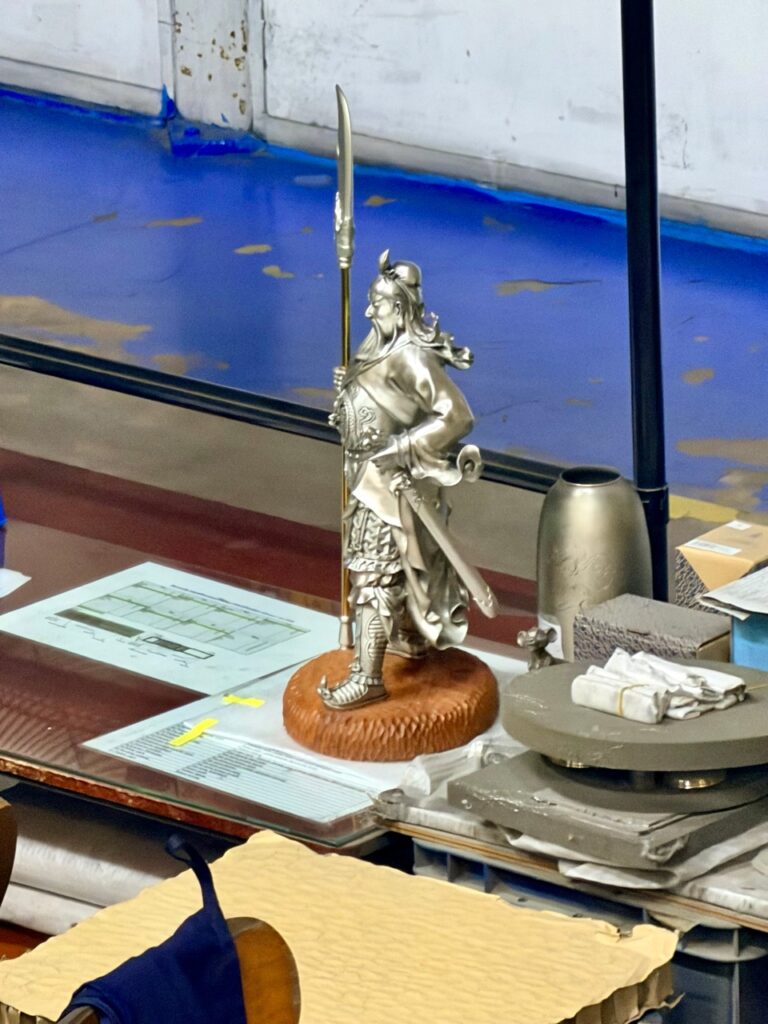
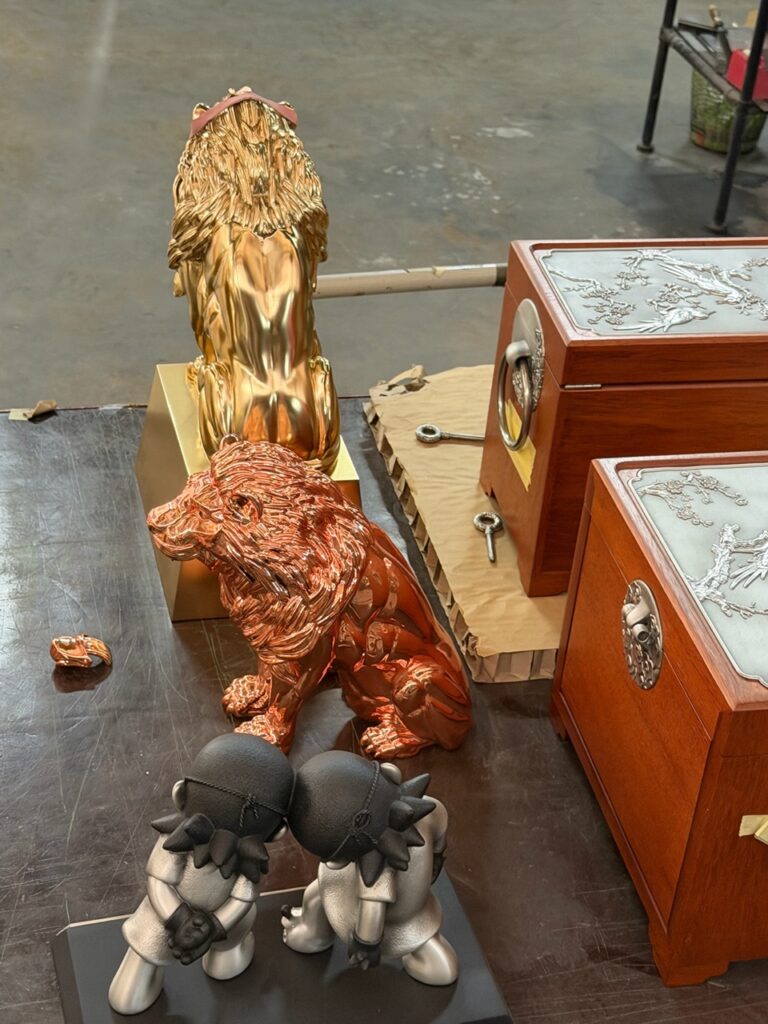
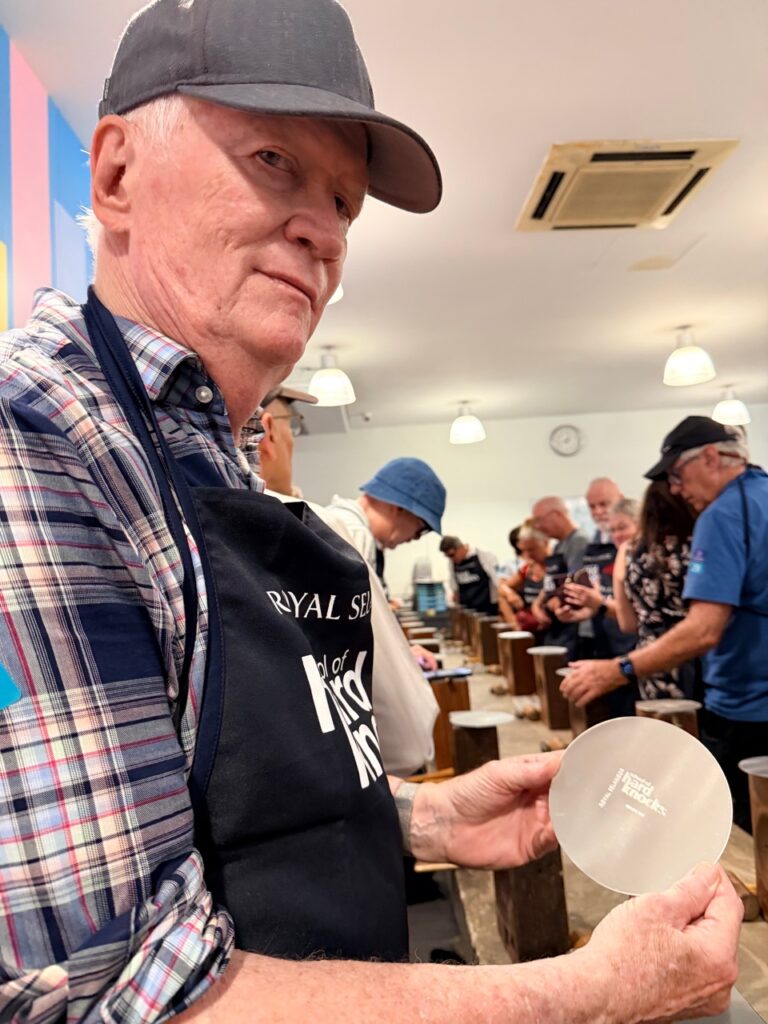
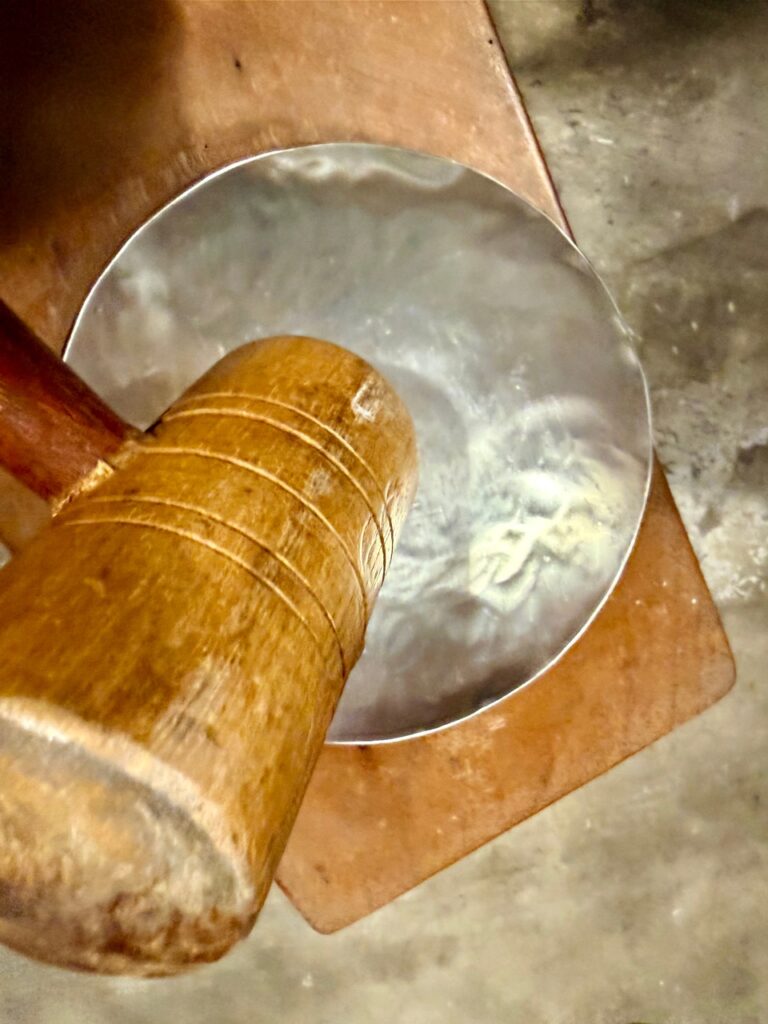
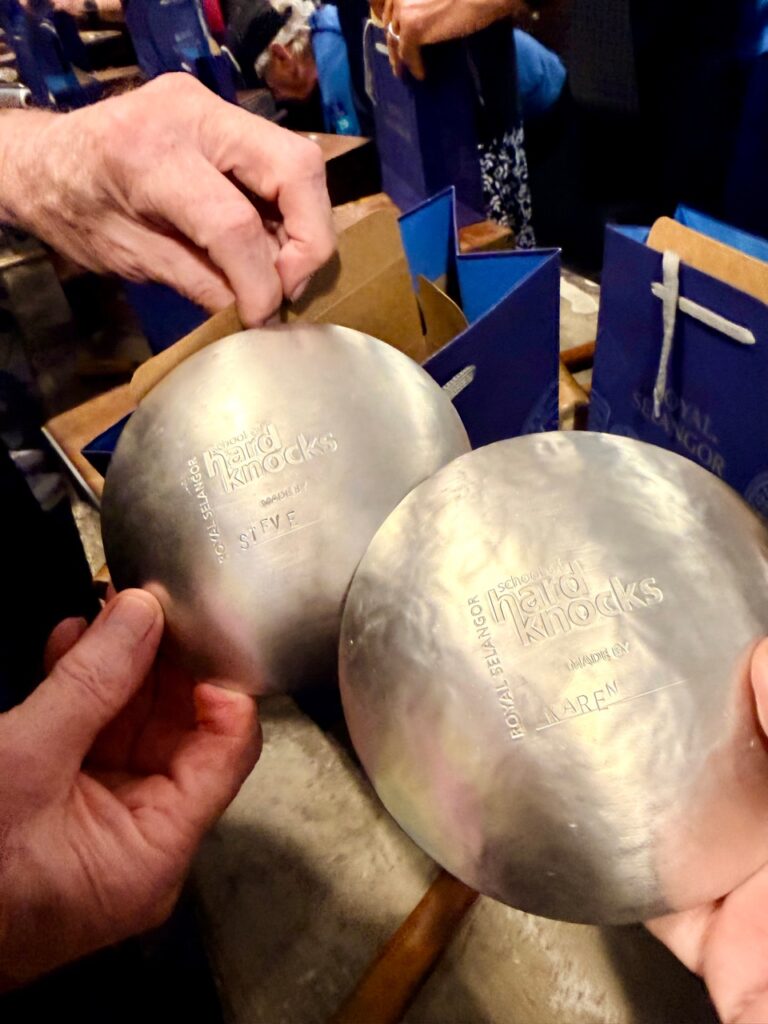
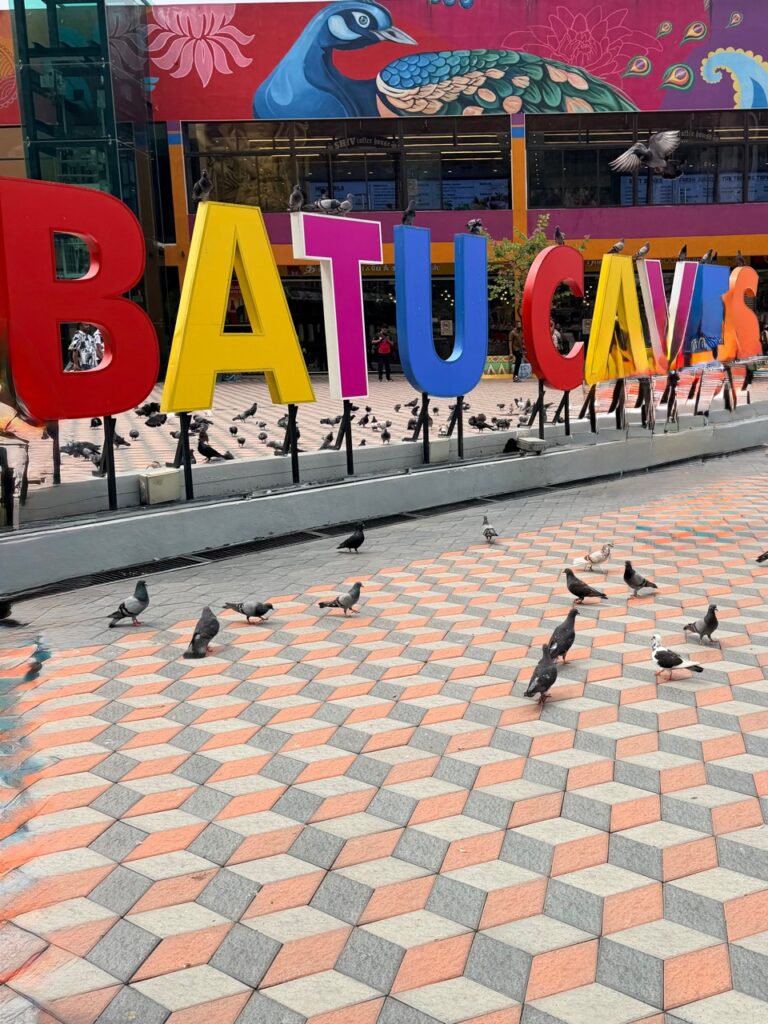
Once we were safely on the ground and had made our way amid the pigeons and pilgrims with the rest of our fellow travelers, we headed to the nearby Royal Selangor Visitor Centre to immerse ourselves in the history and science of pewter, a metal alloy of tin, usually with antimony and copper that has been in use since the Bronze Age. Our visit started with a tour of the lobby detailing the history of this family owned company from its roots as a small workshop in 1888 where Yong Koon and his brothers crafted ceremonial pewter items for ancestral altars in the local Chinese community utilizing tin from Malaysian mines. Now 143 years later it is the world’s largest pewter manufacturer with outlets around the world and is run by third and fourth generation descendants including his great grandson, the Director of Marketing. Among the items displayed in the museum were an ingot of tin, examples of ancient currency, an Art-Deco coffee set, and the legendary melon-shaped teapot that saved a life. Today Royal Selangor pewter is enjoyed all over the world as food and drink vessels and collectible items in traditional and modern designs. Even though it was a Sunday and the factory was closed we saw a couple of live demonstrations of pewter casting, hammering, and polishing followed by a refreshing juice drink in a pewter cup. Then we walked past works in progress sitting on artisans’ benches on our way to The School of Hard Knocks. After getting a lesson in how to put on an apron, we each used stamps to engrave our name on a pewter blank then crafted a simple bowl using a wooden mold and a mallet. What a lot of hammering! With his experience in silversmithing, Steve produced a finer bowl than Karen but we both came away with a lovely little dish, a certificate of authenticity, and a souvenir apron, all reminders of an incredible day in Malaysia.
0 Comments