



Monday 13 April 2026
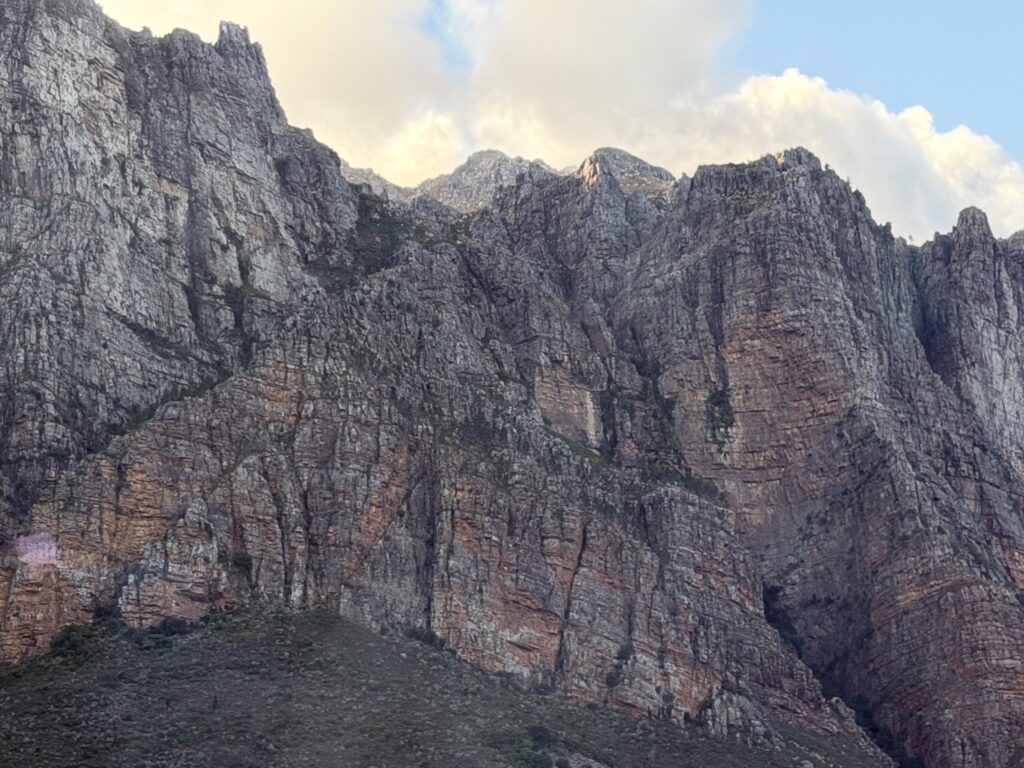
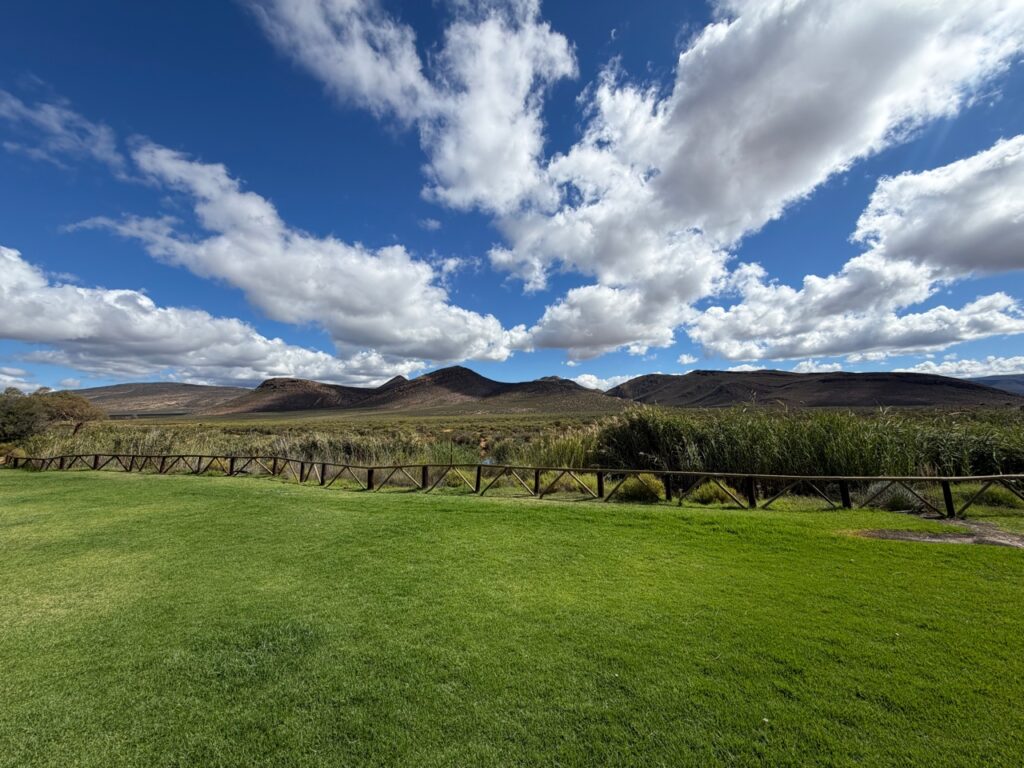
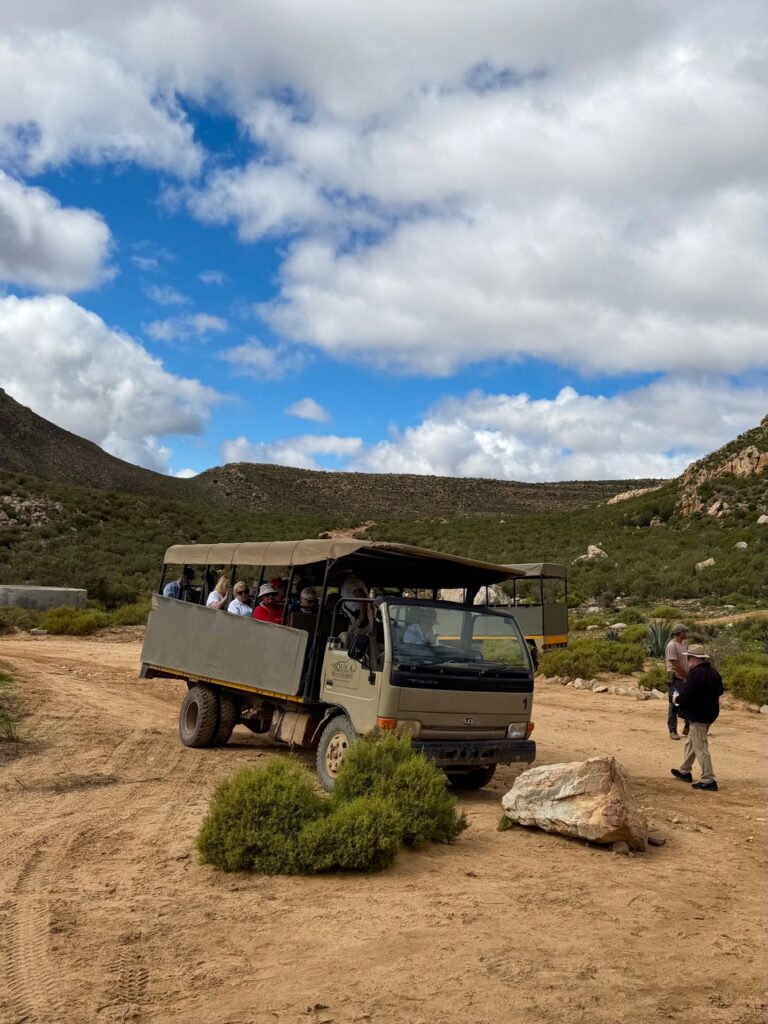
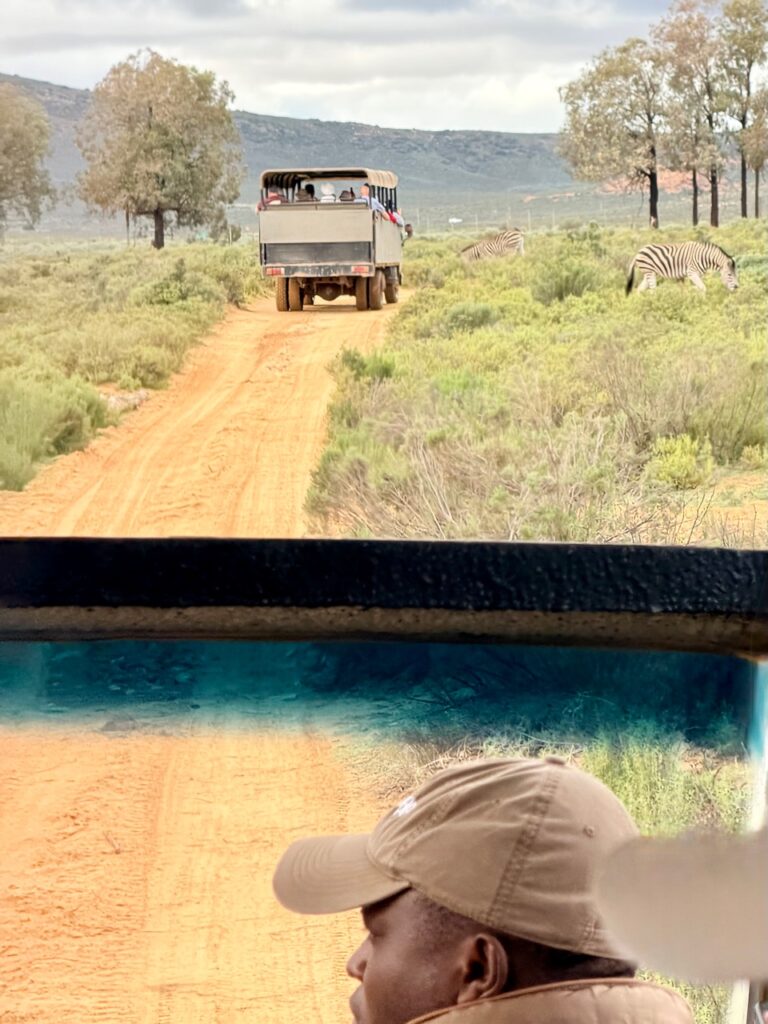
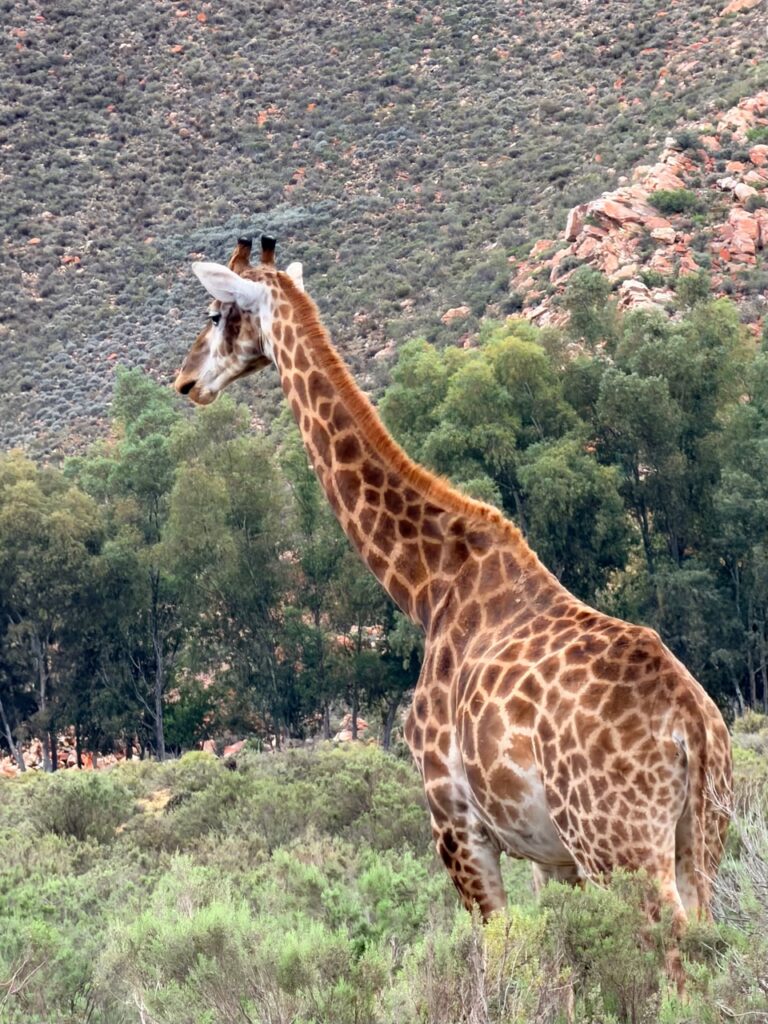
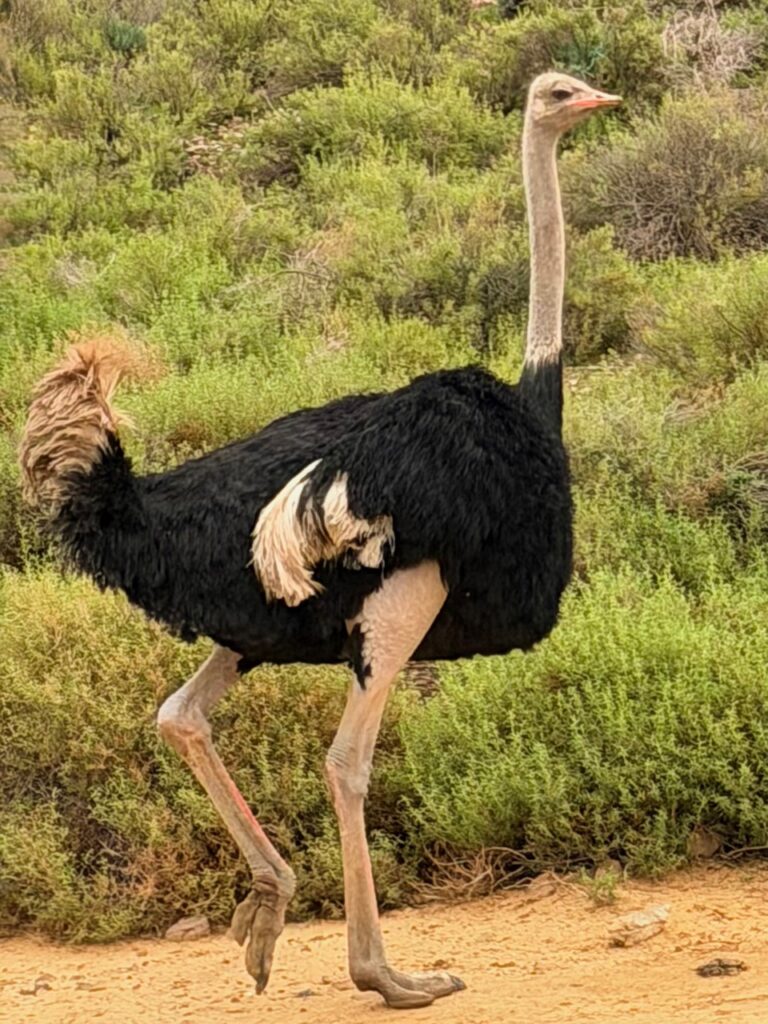
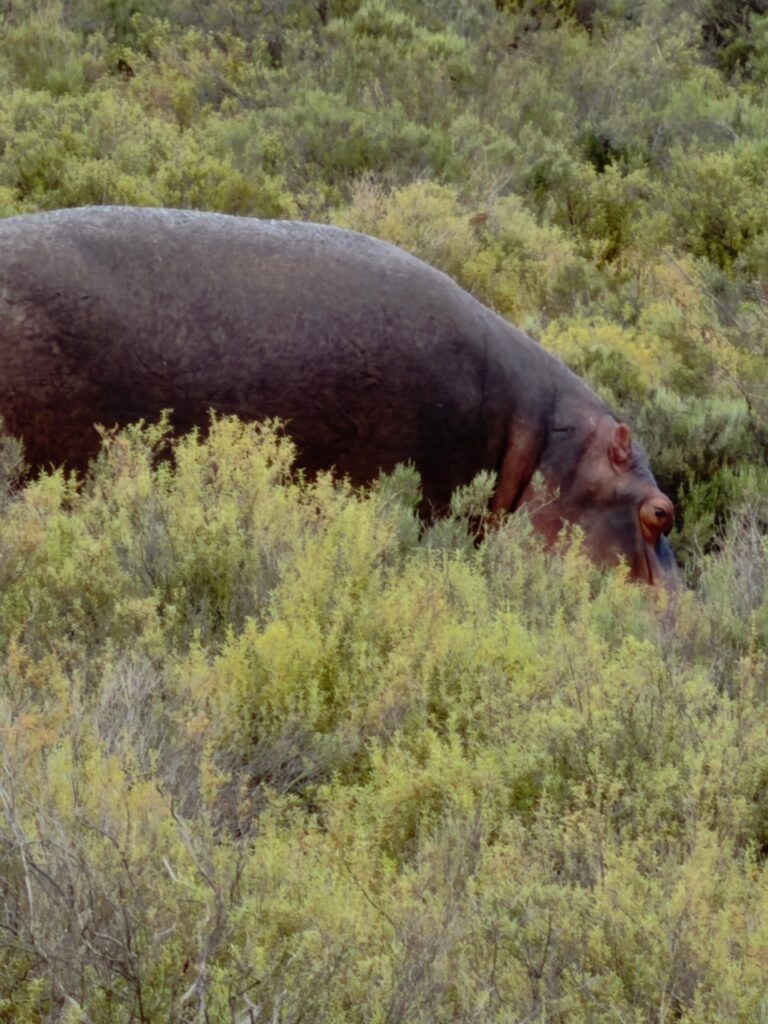
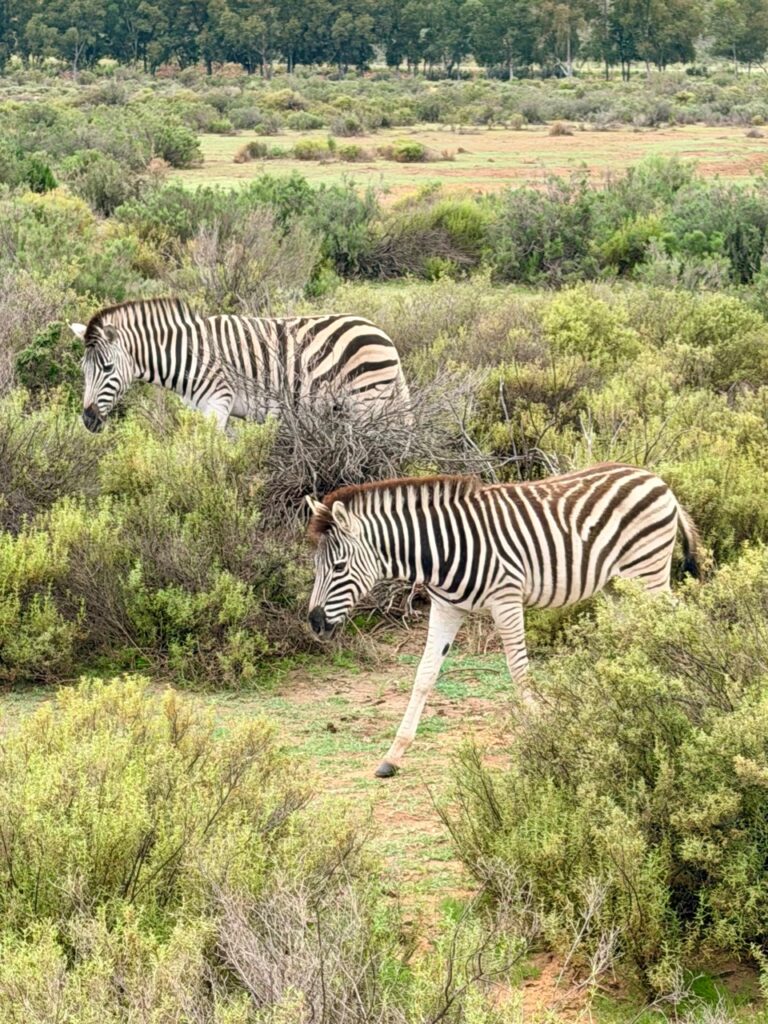
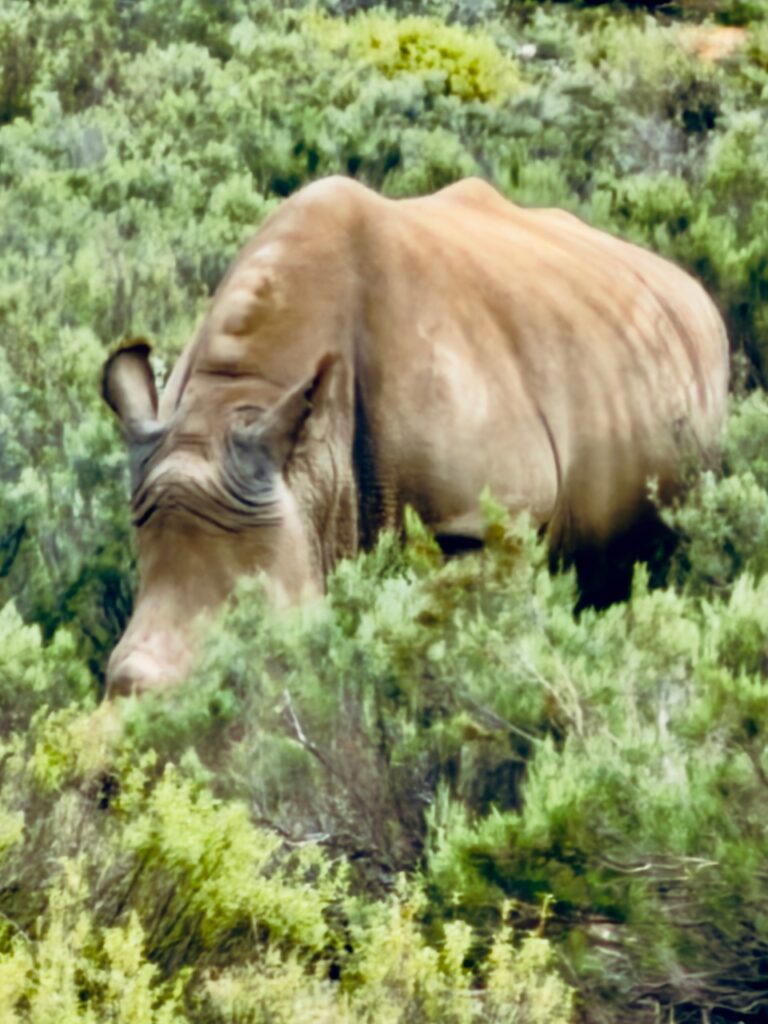
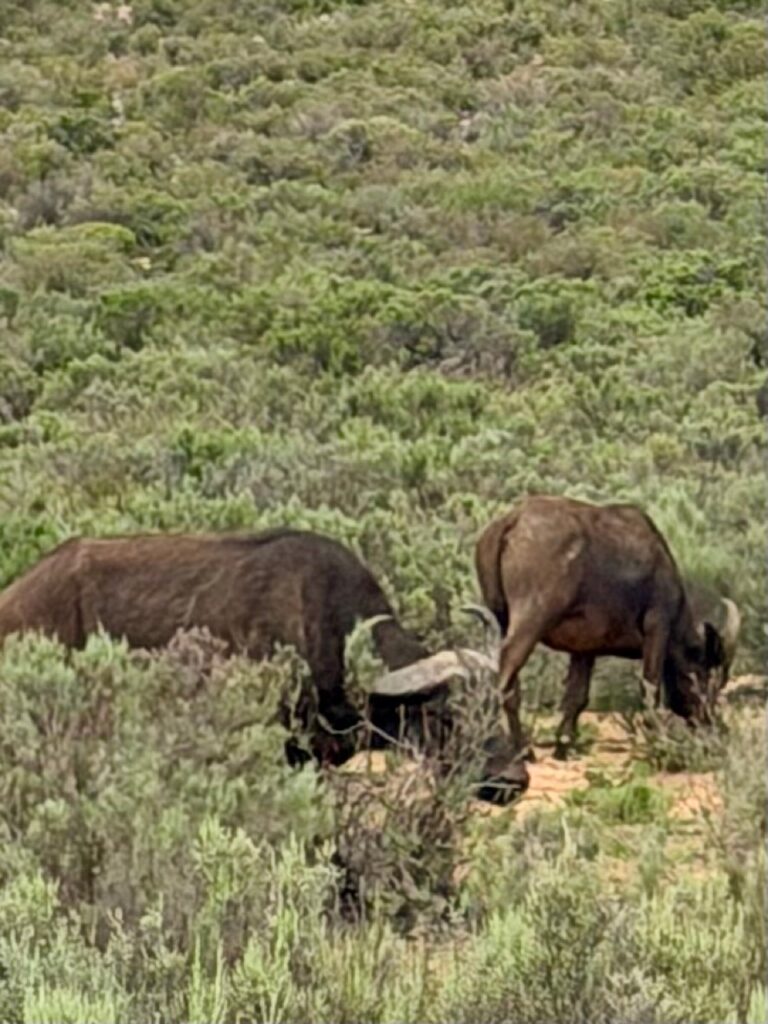
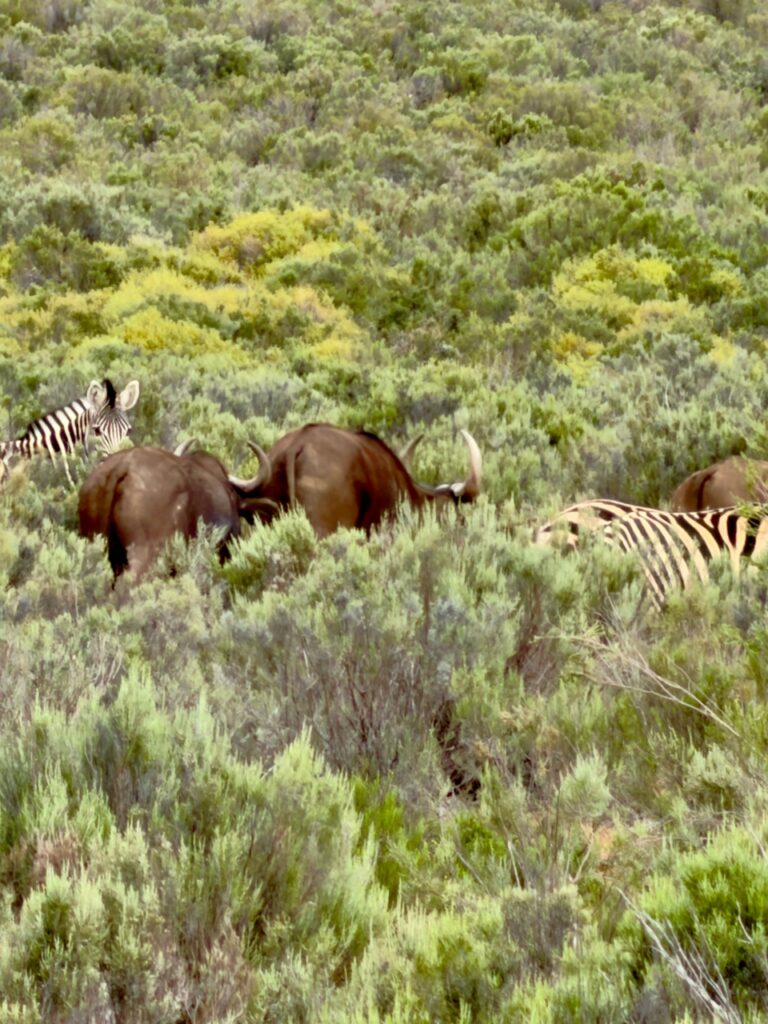
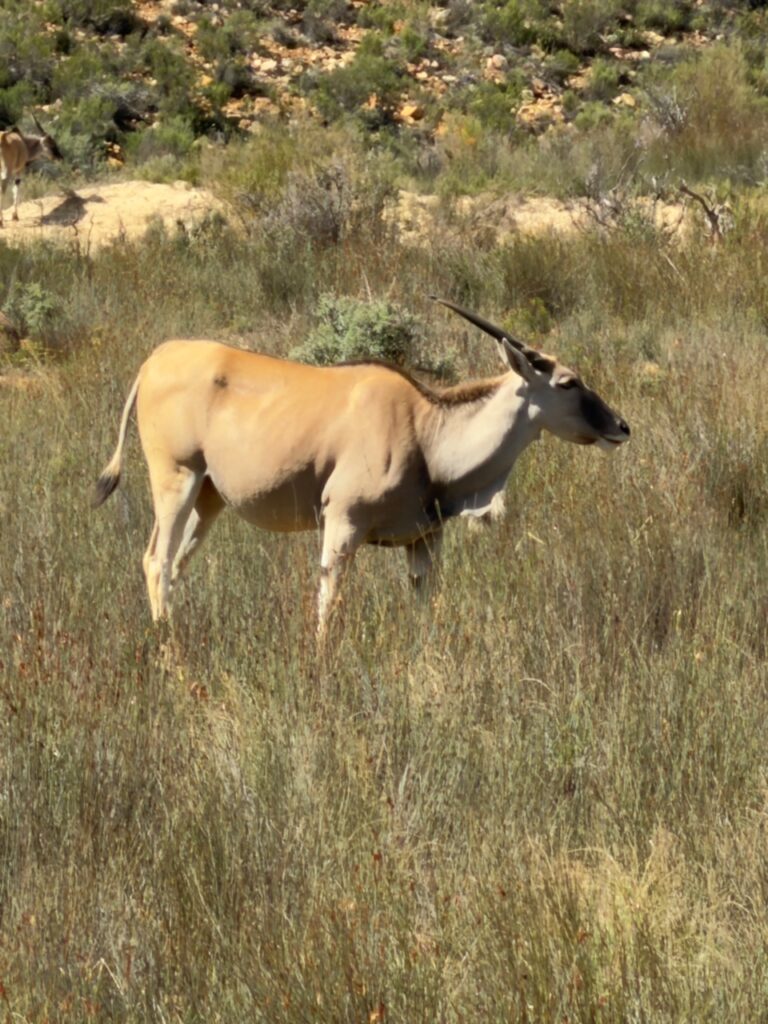
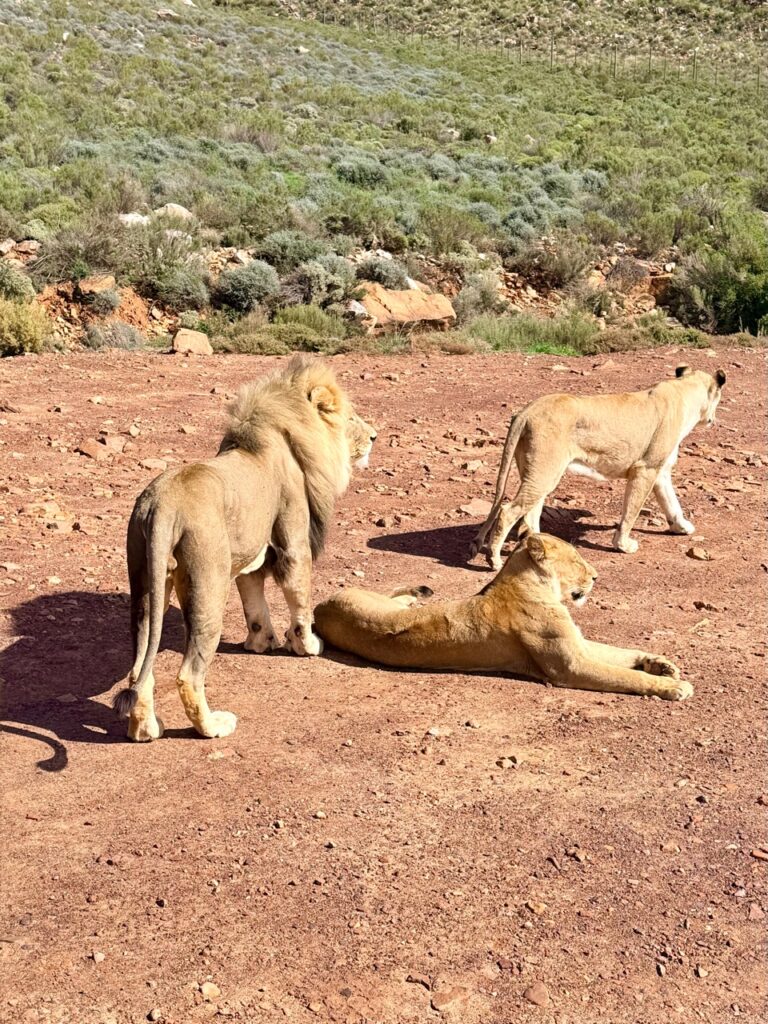
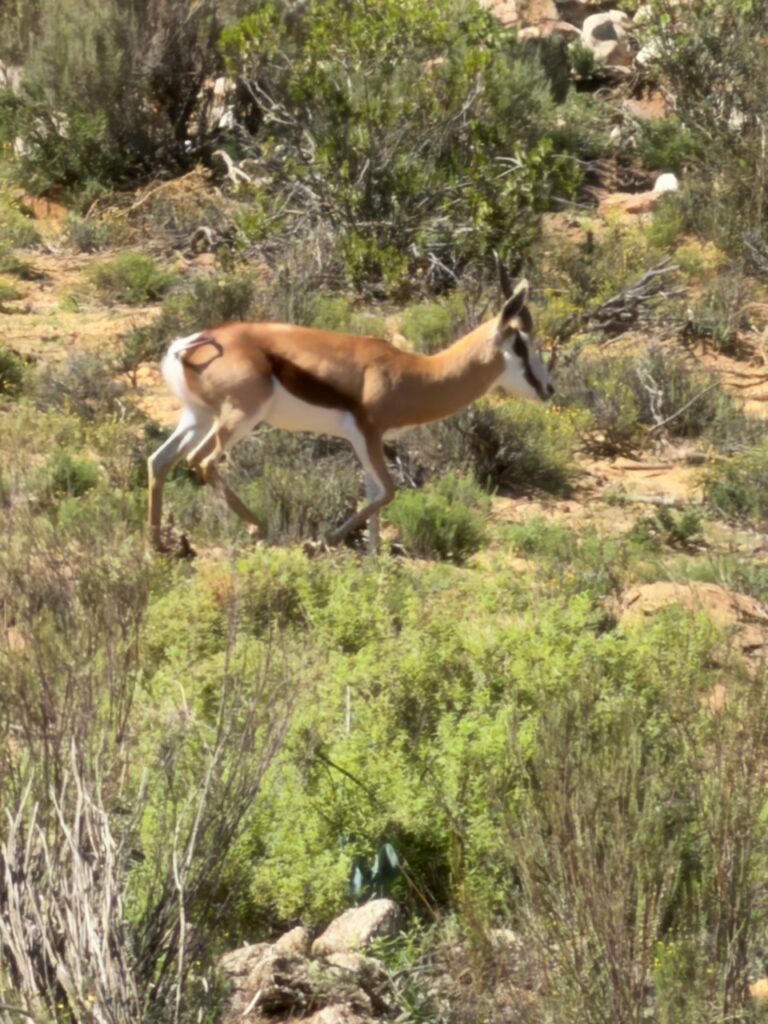
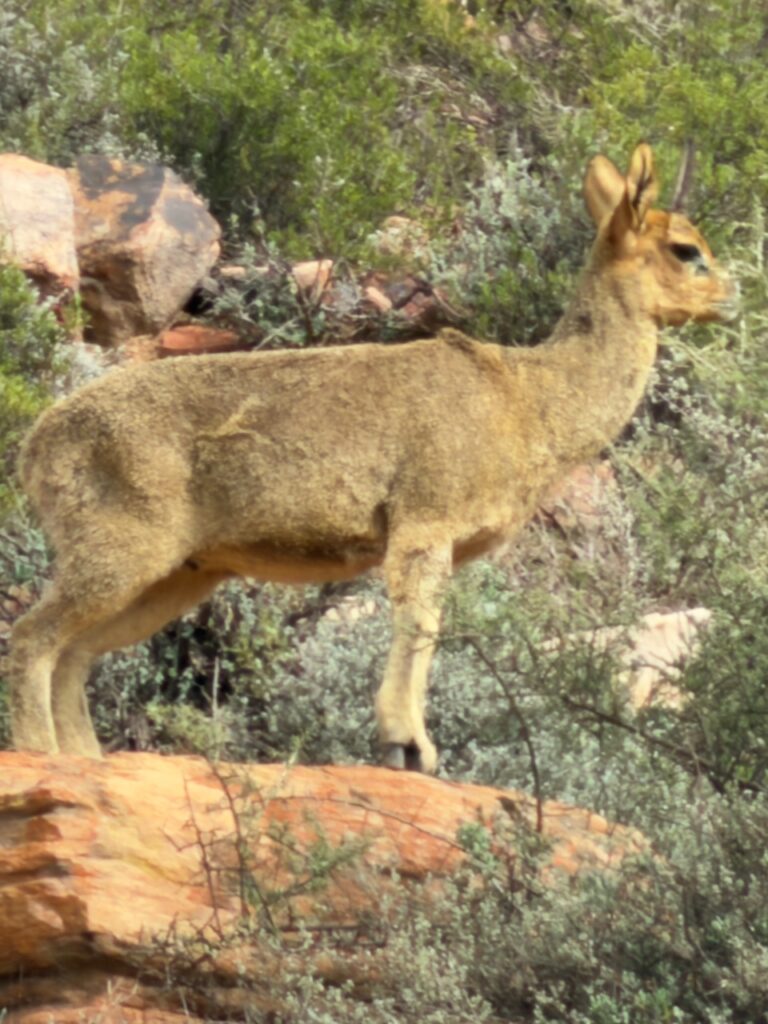
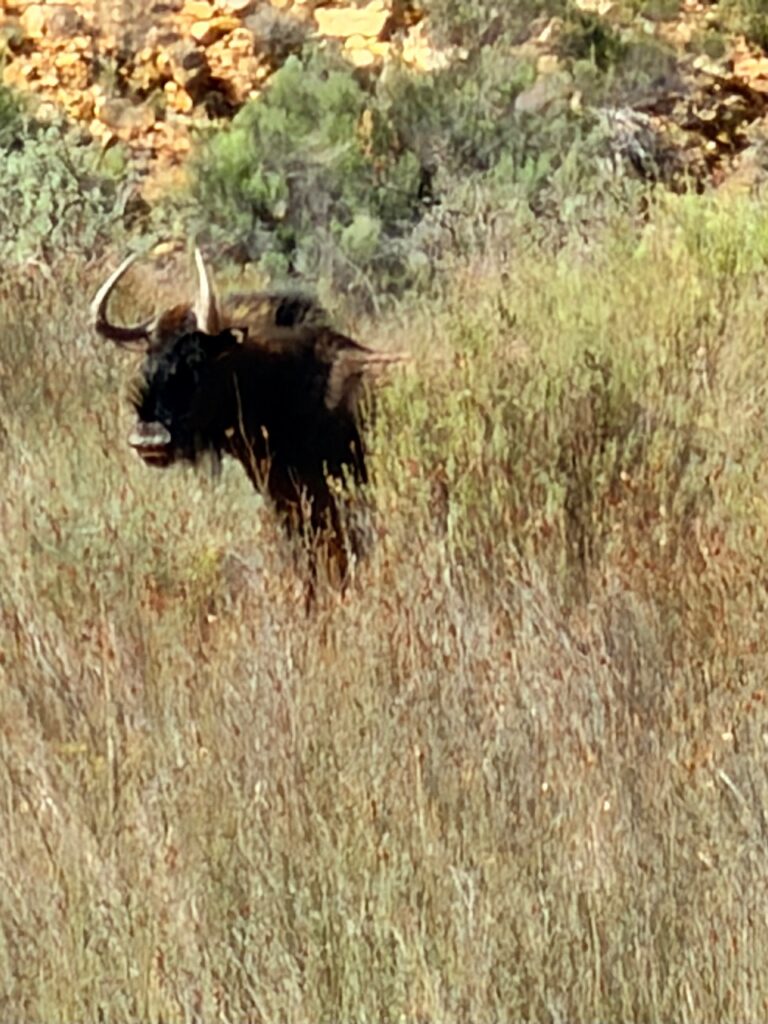
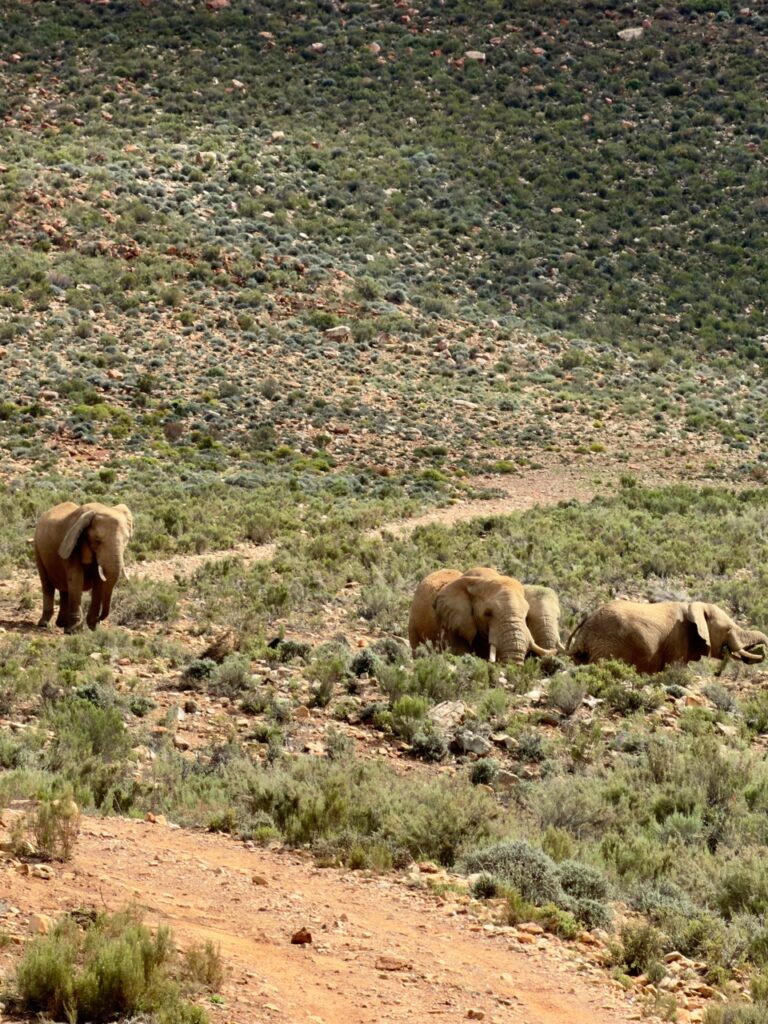
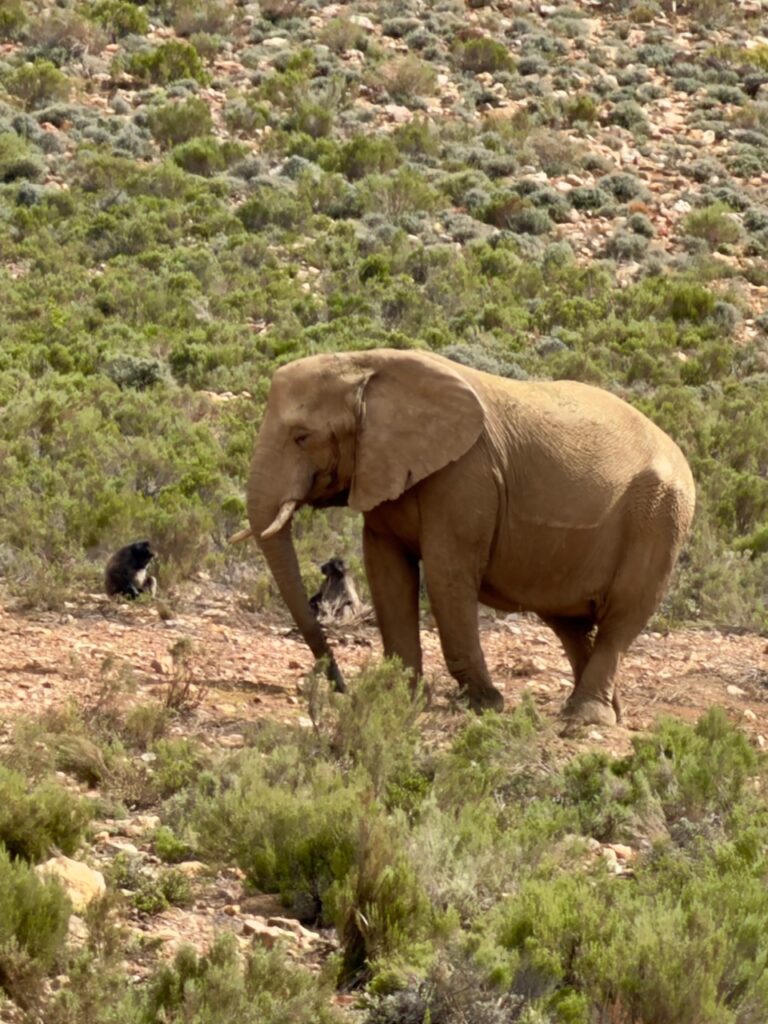
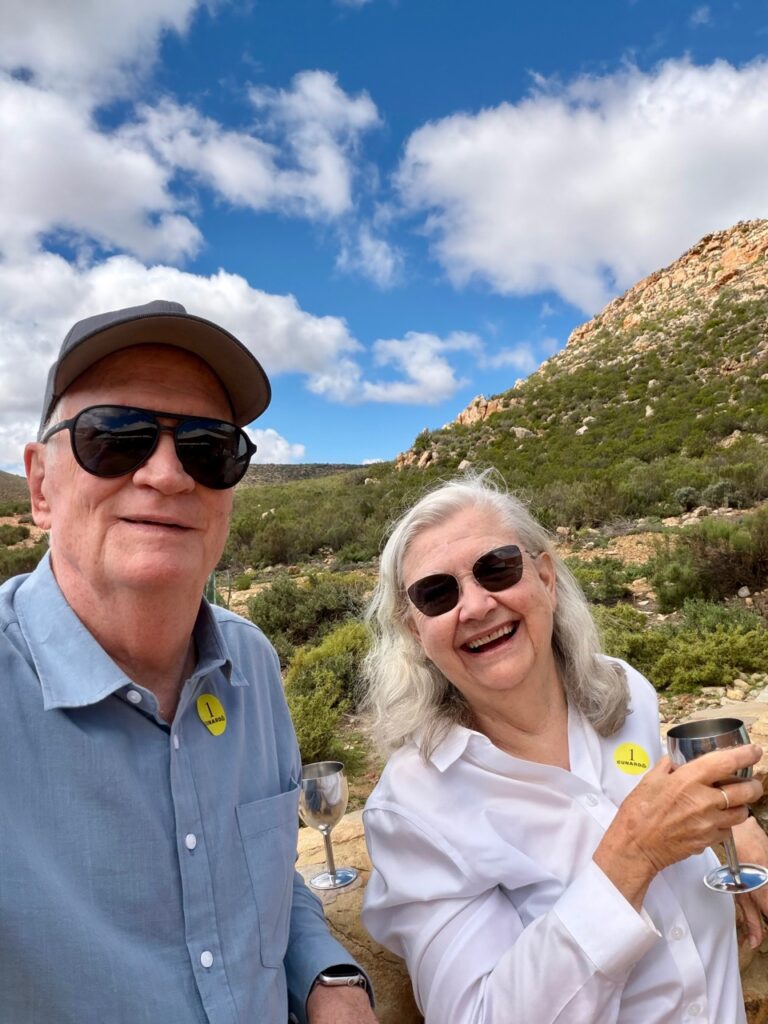
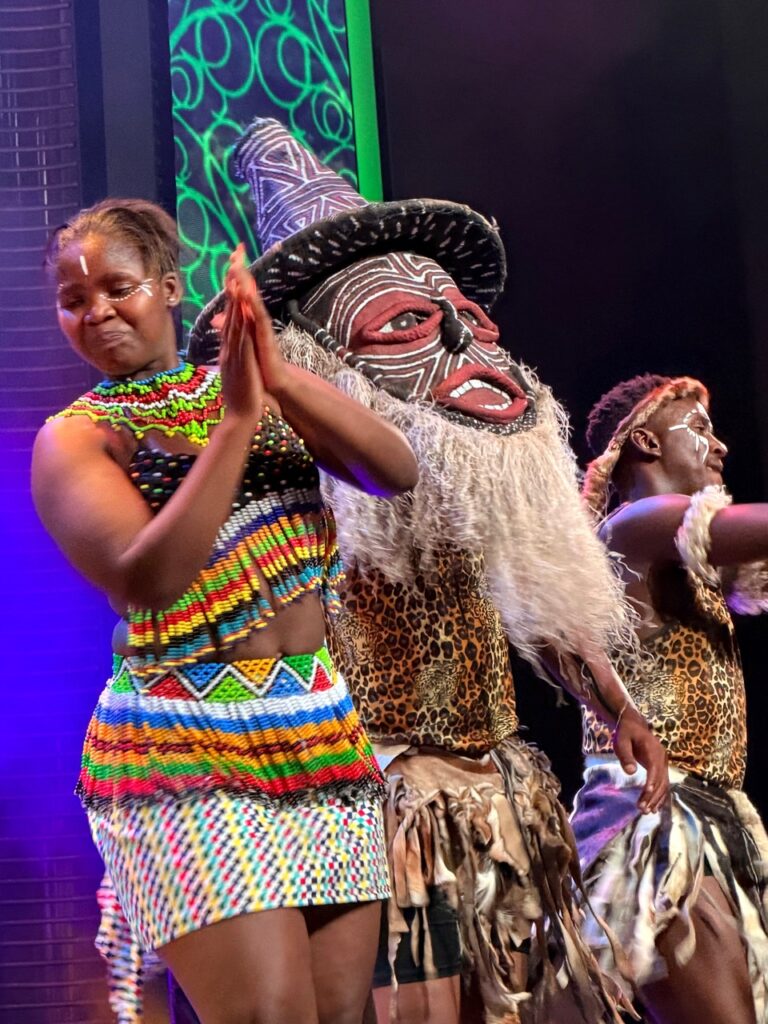
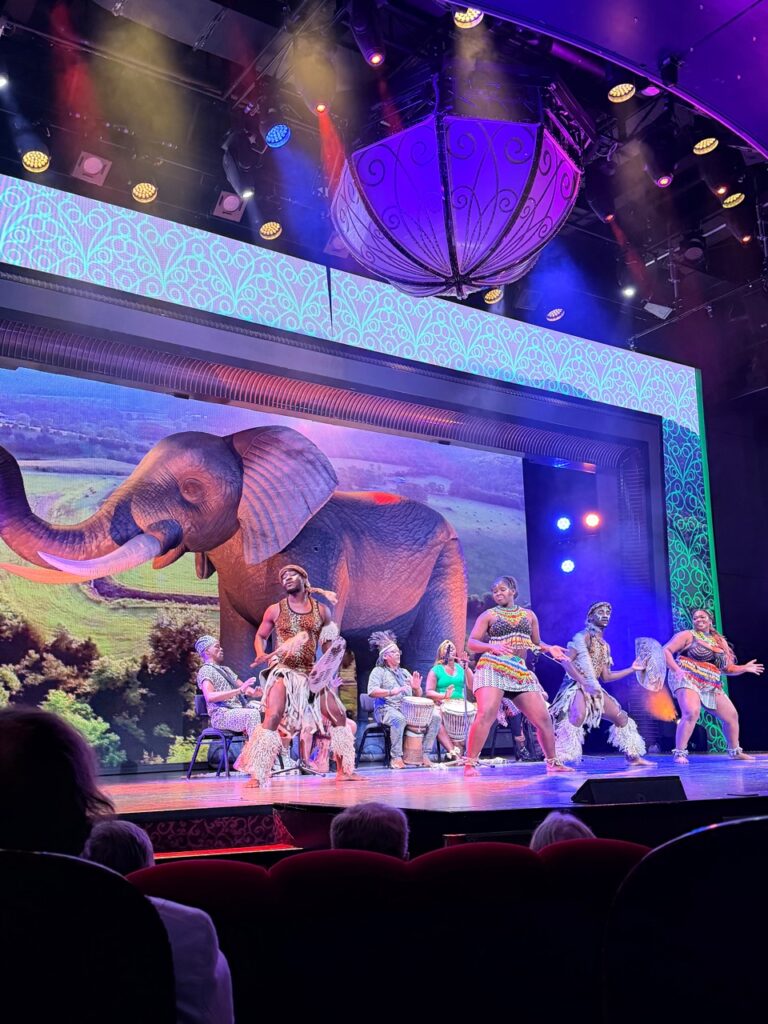
Cape Town, South Africa: Southernmost city in Africa, steeped in amazing history, a vibrant bustling cosmopolitan city surrounded by incredible landscape. So many possibilities. So little time. It was hard to decide what to do but we ended up concentrating on African wildlife. Would we ever again get the chance for African safari and a chance to spy The Big Five? So off we went for an extraordinary day at the Aquila Private Game Reserve beginning with a two and a half hour ride through majestic mountains and past South African vineyards to the edge of the arid Karoo and a classic safari lodge offering a bit of bubbly grape. Then it was time to board an open-sided 4X4 safari vehicle for a tour of the 10,000 hectare park that gives the animals plenty of room to roam and protects them from humans, much like our own national parks. Within minutes we were spying a giraffe, a majestic animal that sleeps standing up, then a lumbering hippopotamus munching on grass, one of Africa’s most dangerous animals. Nearby was a flock of ostrich the world’s largest bird and second fastest land animal. We were especially intrigued with the black ostrich males strutting around with their red legs indicating that they are ready to mate. Soon we spied a dazzle of Burchell’s zebras with their beautiful black and white stripes, most likely a harem comprised of a one stallion and several mares and foals followed by a white rhinoceros and two offspring. Rhino young stay with their mother for at least two but up to seven years. Much prized by poachers for the value of rhino horn on the black market, this member of Africa’s Big Five requires intensive protection. And then…after being cautioned to avoid eye contact with the dominant female, and to keep all body parts and cameras inside the vehicle…drumroll please…we entered the double gated lion enclosure. And there ahead of us was a group of lionesses. As Steve was poised to get a photo, he saw out of the corner of his eye a lion’s mane passing right next to him, so close he could have easily reached down to pet the cat. Wow! Adrenaline surged as he kept within the 4X4 and assessed the situation. For some reason he didn’t get that photo right away, it took a little bit to calm down and realize that the massive predator was fortunately not interested in him but just anxious to join his girlfriends for a siesta. Yes! Wow! We’ve seen an African Lion in his own habitat! From there it was a bit anti-climatic but still exciting as we left the enclosure to spot a springbok – a symbol of South Africa, a couple of common elands, and the head and shoulders of a blue wildebeest, a keystone species, before heading to the refreshment station for a chance to stretch our legs and wet our whistles before reboarding the safari vehicles. As the final hurrah we visited a herd of African bush elephants consisting of three bulls and a pregnant cow. Although we stayed well away from these largest terrestrial animals in the world, we could still spot the baboons who tend to follow but don’t actively engage with elephants. The baboons benefit with improved access to food and water and they aid the elephants by screeching when they sense danger. In a mere two and a half hours we had a wonderful opportunity to spy numerous species of African wildlife including all but one of The Big Five. It seems the Leopard sleeps all day. By then it was time for lunch and wine at the safari lodge before boarding the coach for the return trip to port and a traditional African show in the ship’s theatre before an overnight rest.
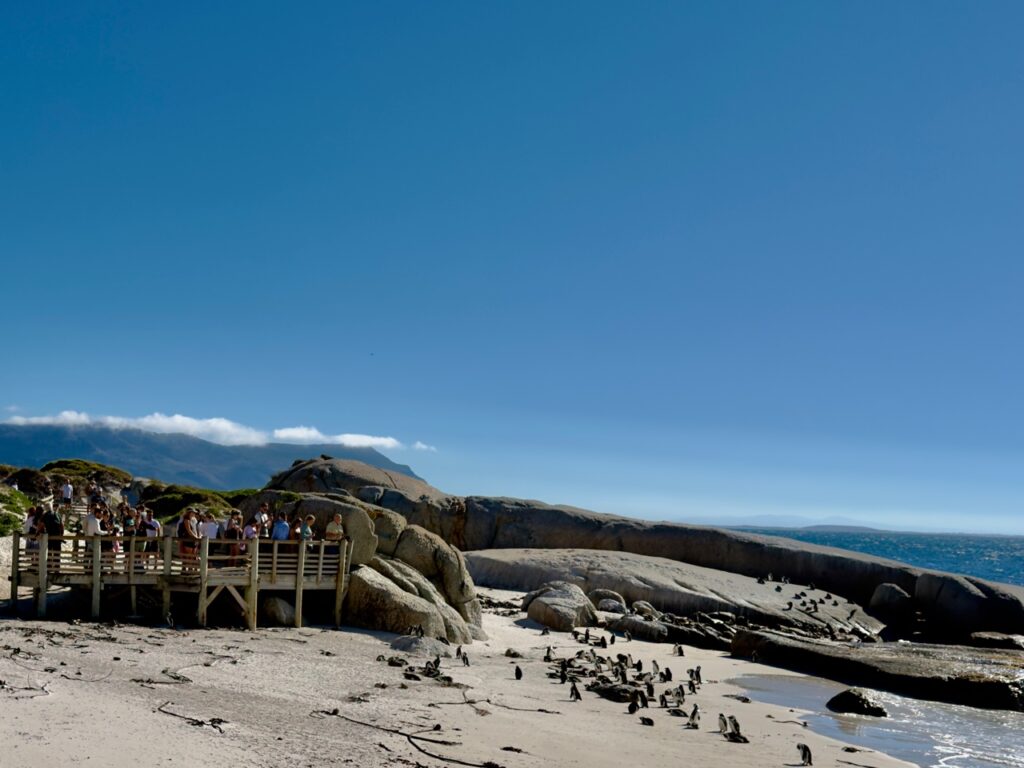
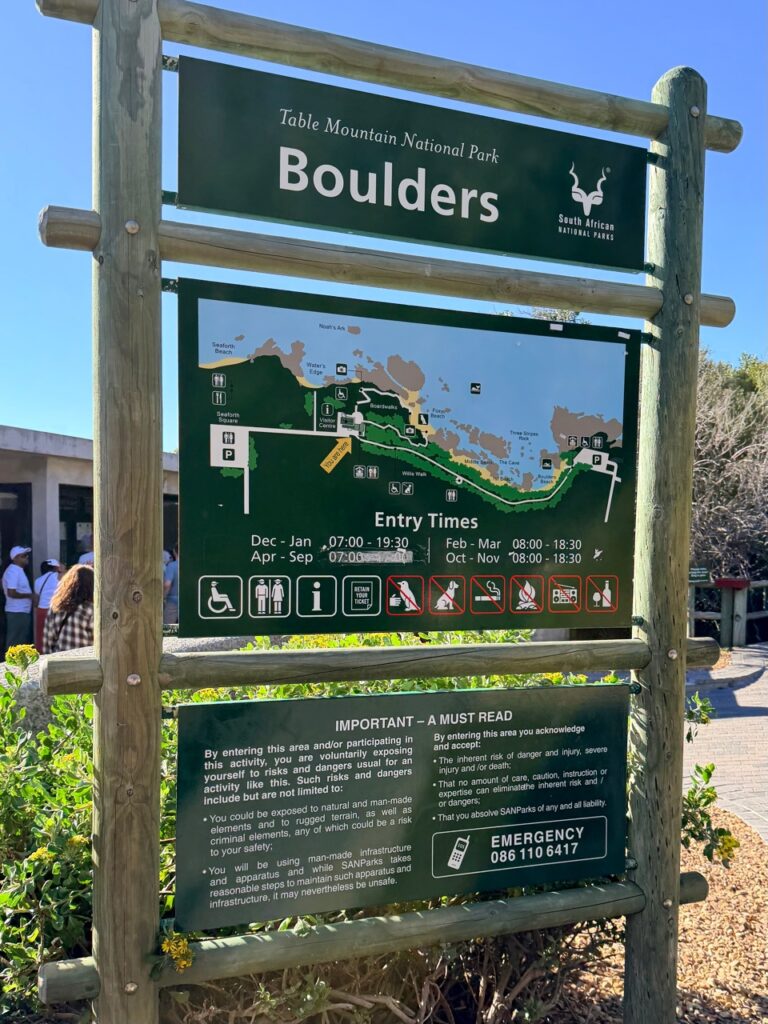
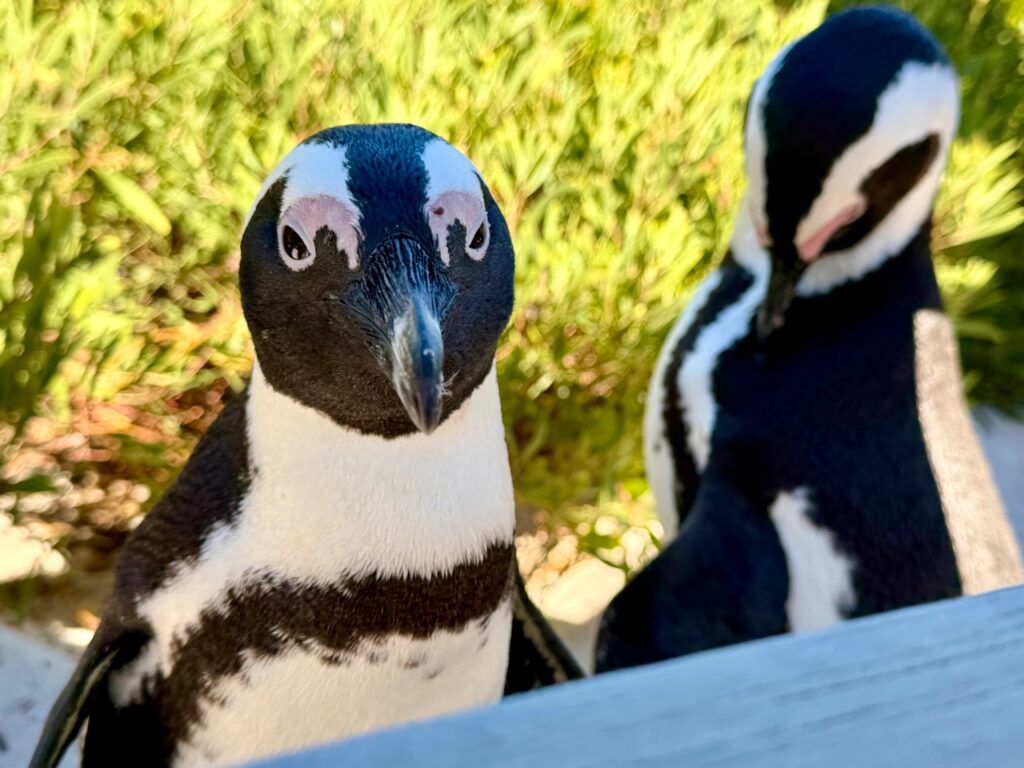
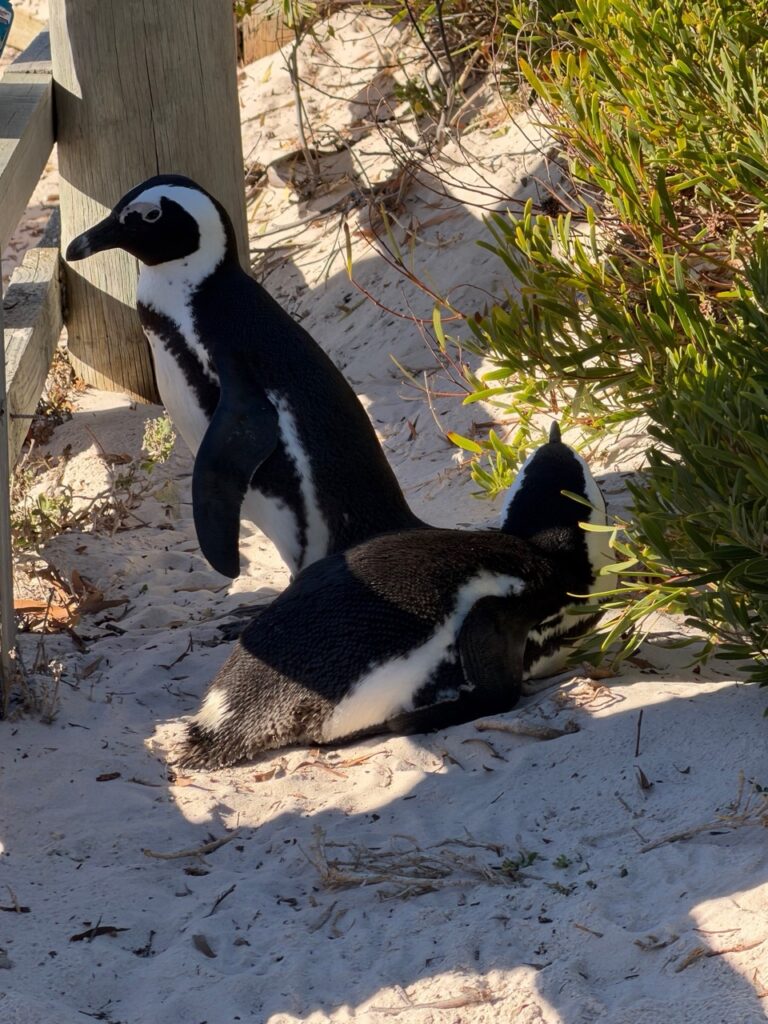
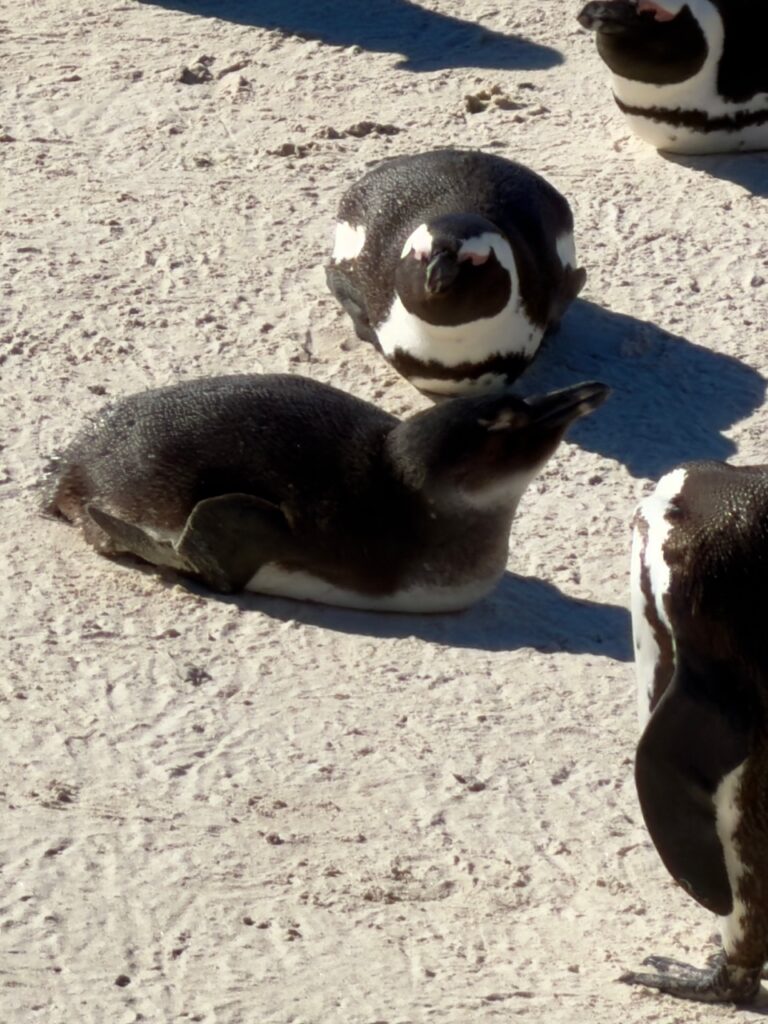
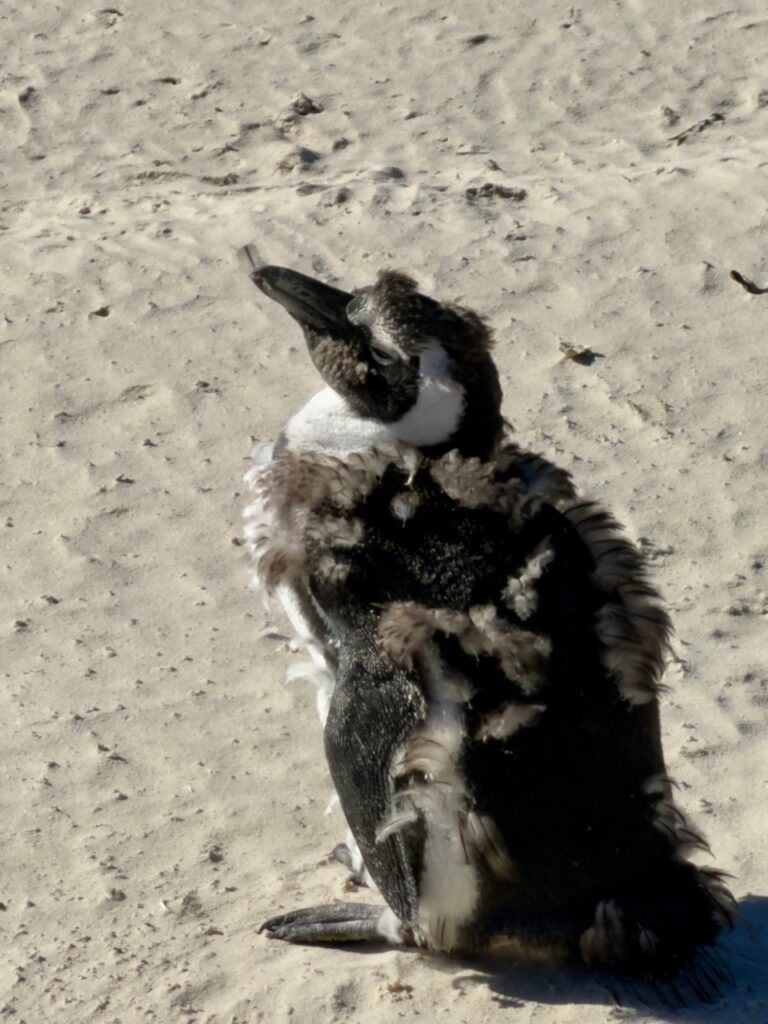
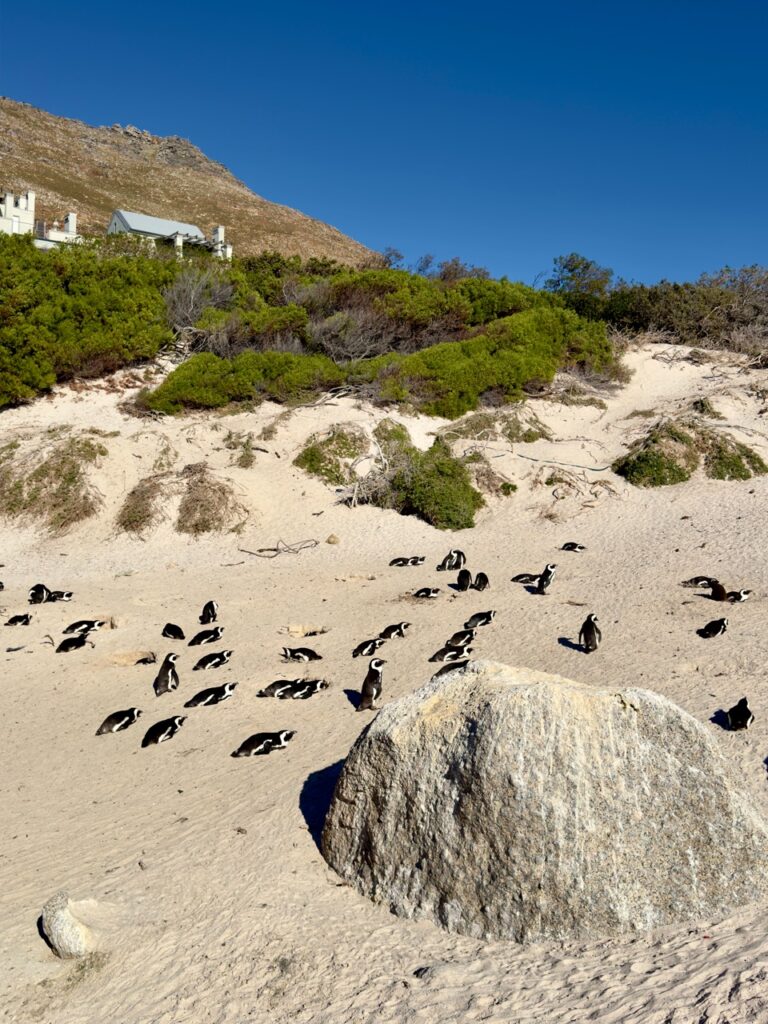
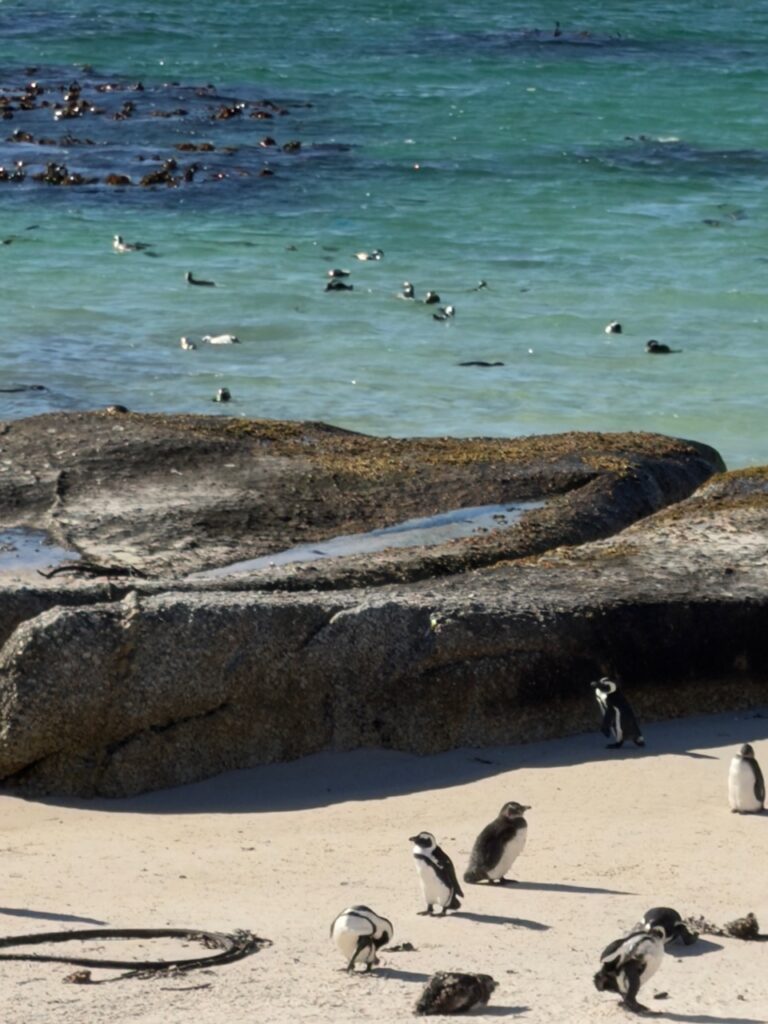
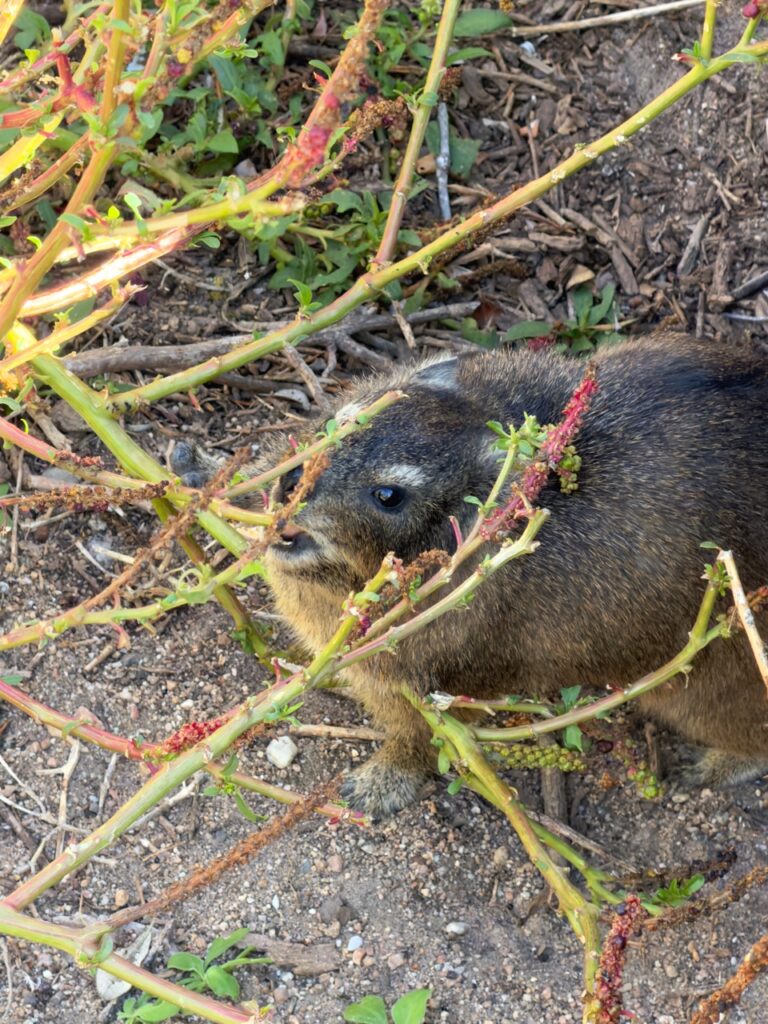
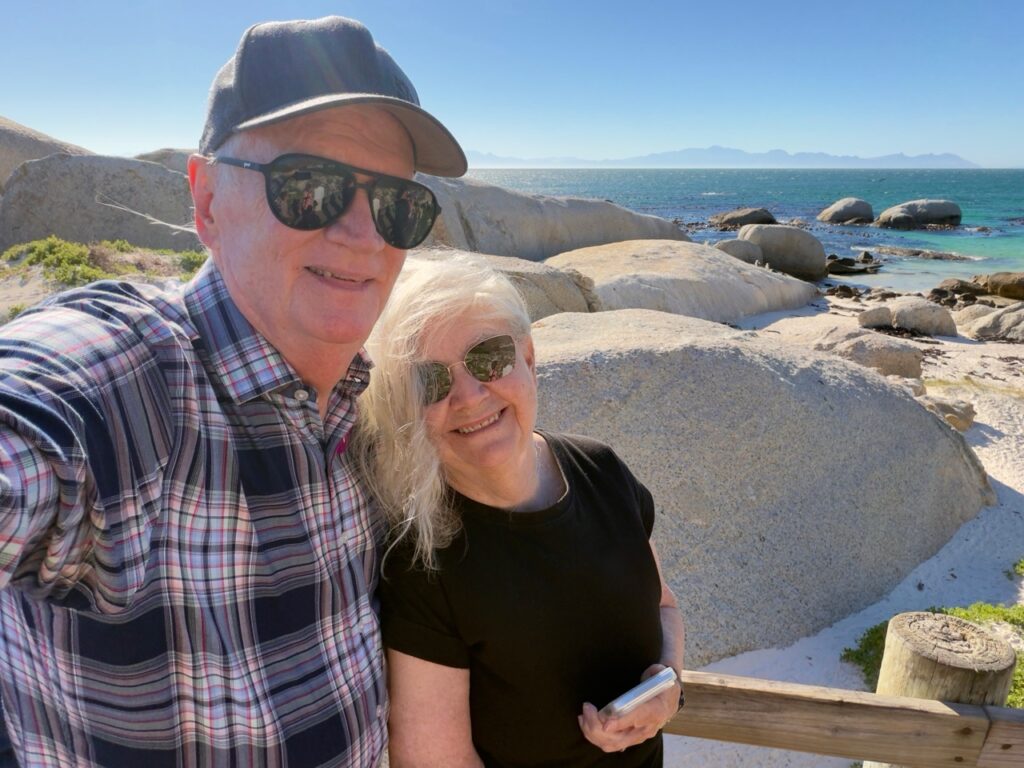
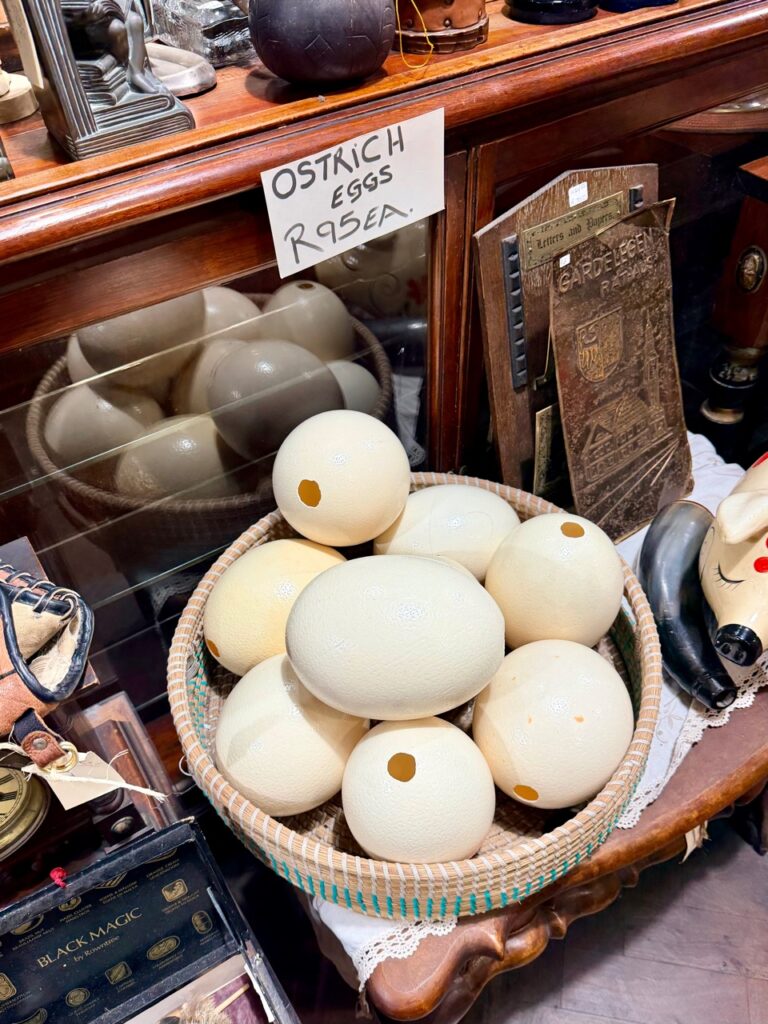
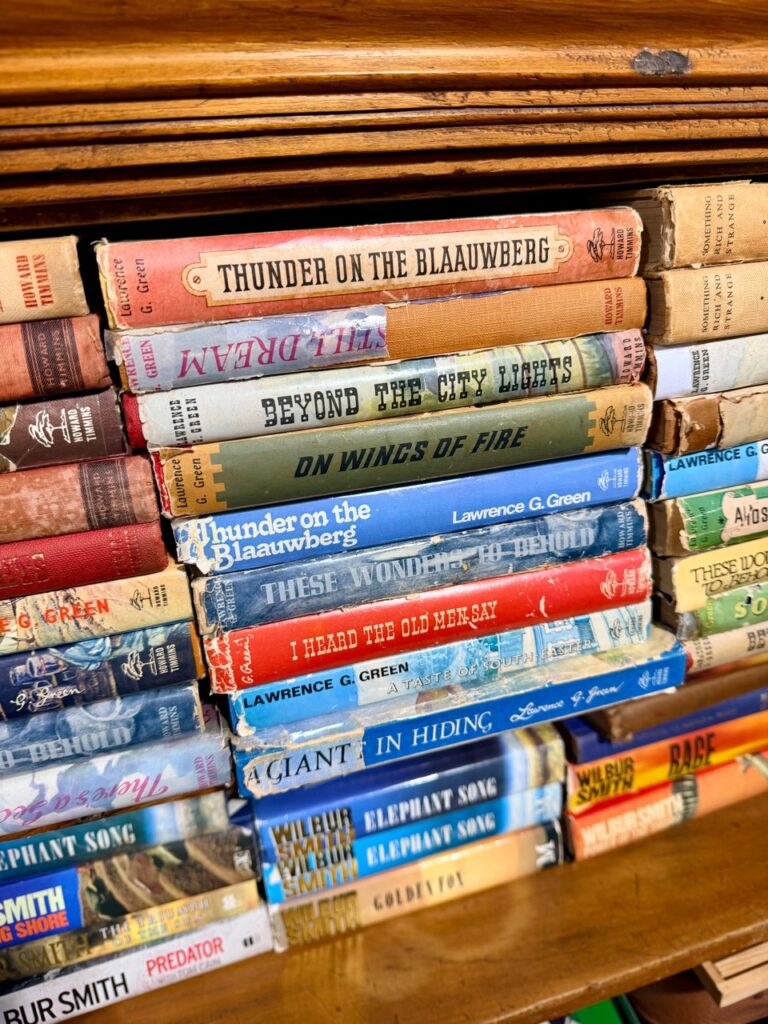
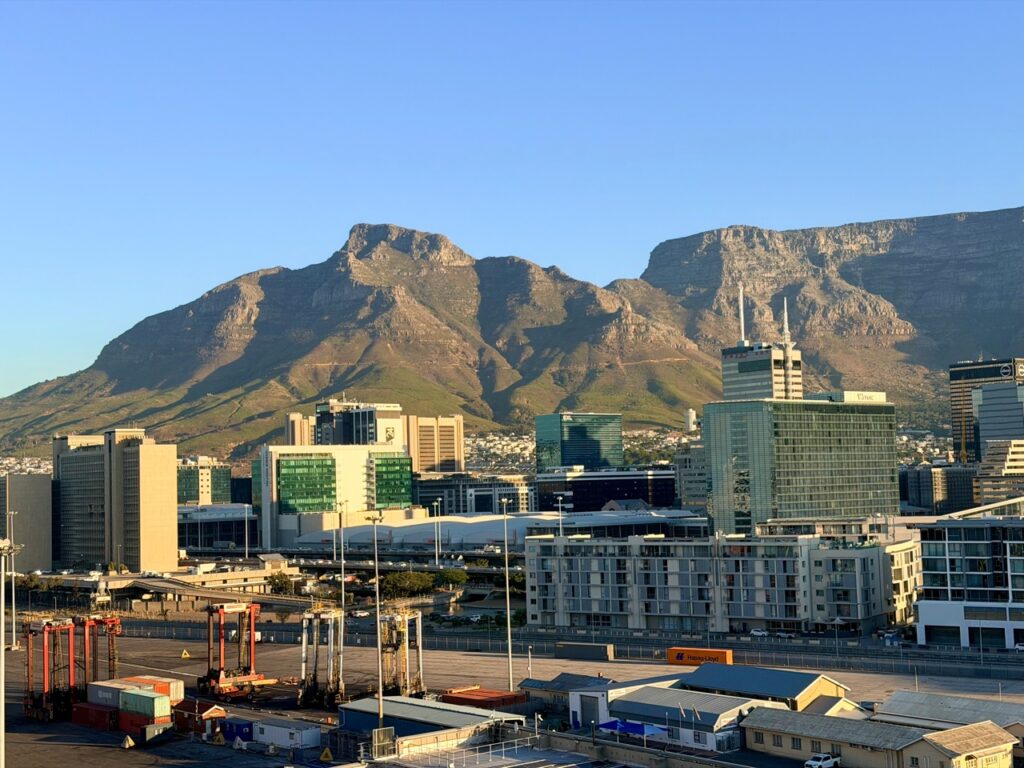
Day Two: Next adventure? Penguins! Yes, although when we think of penguins we think of snow and ice in Antartica, and it is true penguins live only in the the Southern Hemisphere, there is one species of found in Namibia and South Africa. This morning we headed to the Boulders Penguin Colony in Table Mountain National Park on the eastern shore of Cape Peninsula. It’s home to a nesting colony of African Penguins, one of just 28 breeding sites for these endearing birds. Boardwalks offer an elevated view of the colony and protect the birds from human interference. The adult penguins go through annual cycles of moulting, mating, and nesting and we got to see examples of all of these phases. Although we didn’t see any eggs or hatchlings, we did spot several juveniles still sporting gray plumage distinguishing them from the black and white adults. As we walked the boardwalks we were able to come face to face with a few individuals as well as watch the colony going about their routines, and even heard a few of their raucous calls that sound much like donkey braying. They are threatened by seals, sharks, loss of habitat, and fishing and are critically endangered. We also spotted another unique South African animal, the Rock Hydrax, a curious little fellow who is in fact closely related to the elephant. We finished off our visit to South Africa with a short visit to Kalk Bay, a picturesque coastal town about halfway between the Cape of Good Hope at the southern tip of the peninsula and Cape Town to the north. We poked around town visiting a quaint antique shop and enjoying ice cream treat at Honest Chocolate before returning to the ship in plenty of time to join the wait for local officials to clear our ship for departure. Soon enough we were once again sailing in the Atlantic Ocean now on a northward leg of this around the world journey.
I’m glad you got to experience a bit of Cape Town. We’ll catch up when you get back to the States.