

Click to expand photos!
Tahiti
Wednesday 18 February 2026
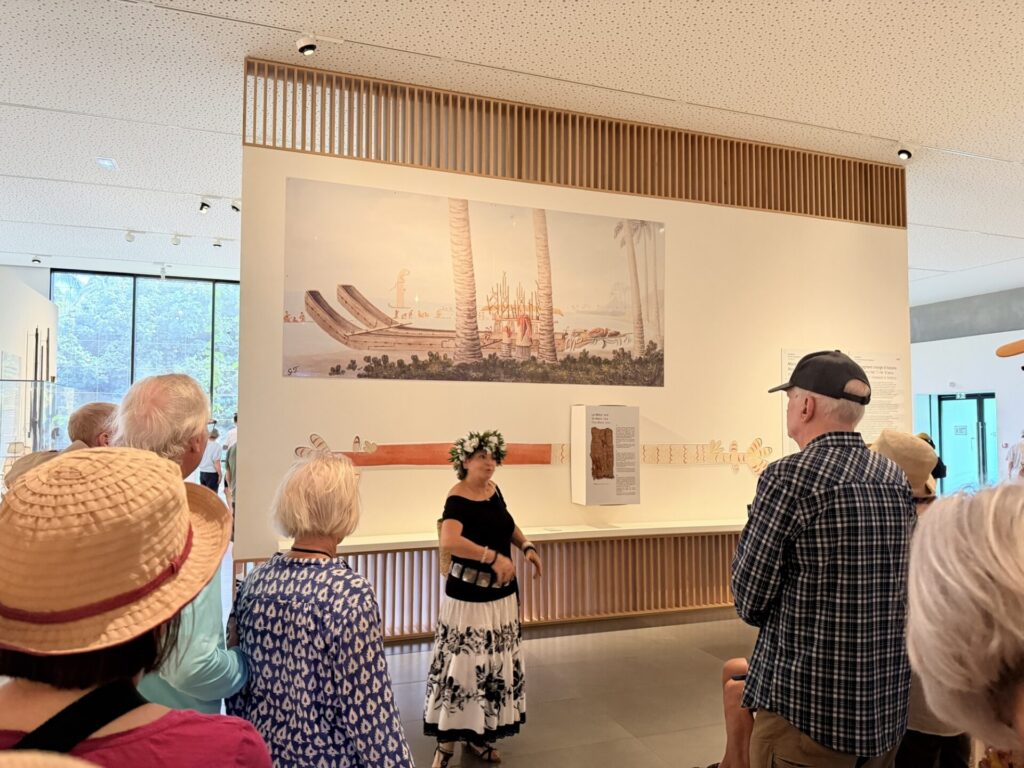
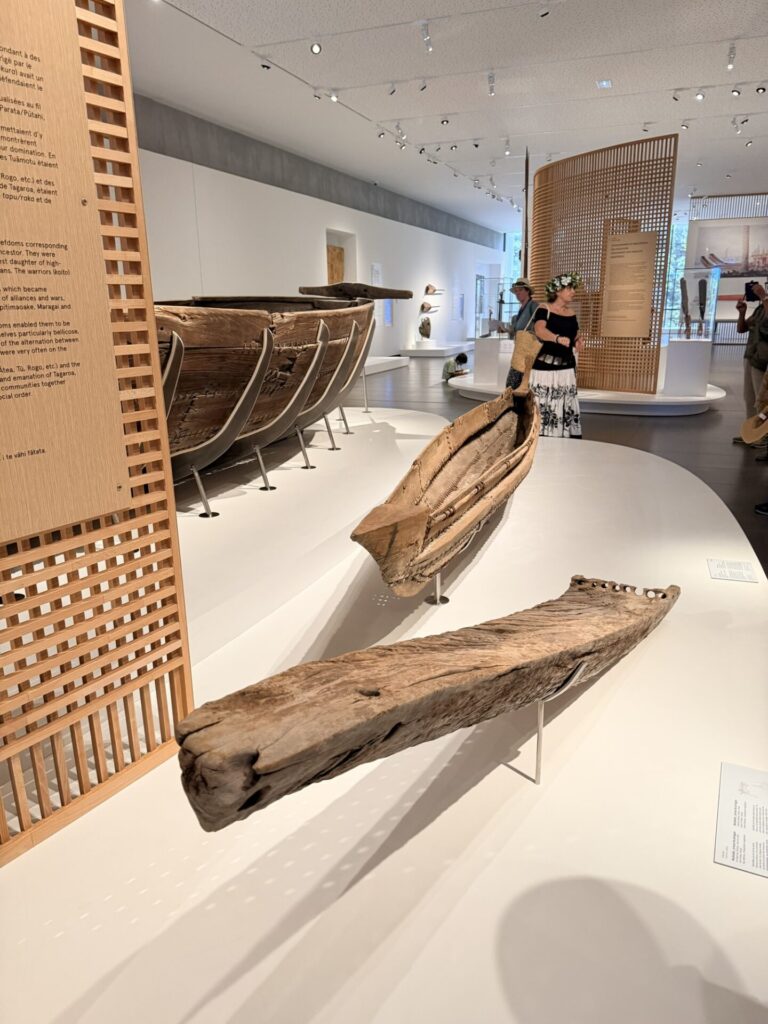
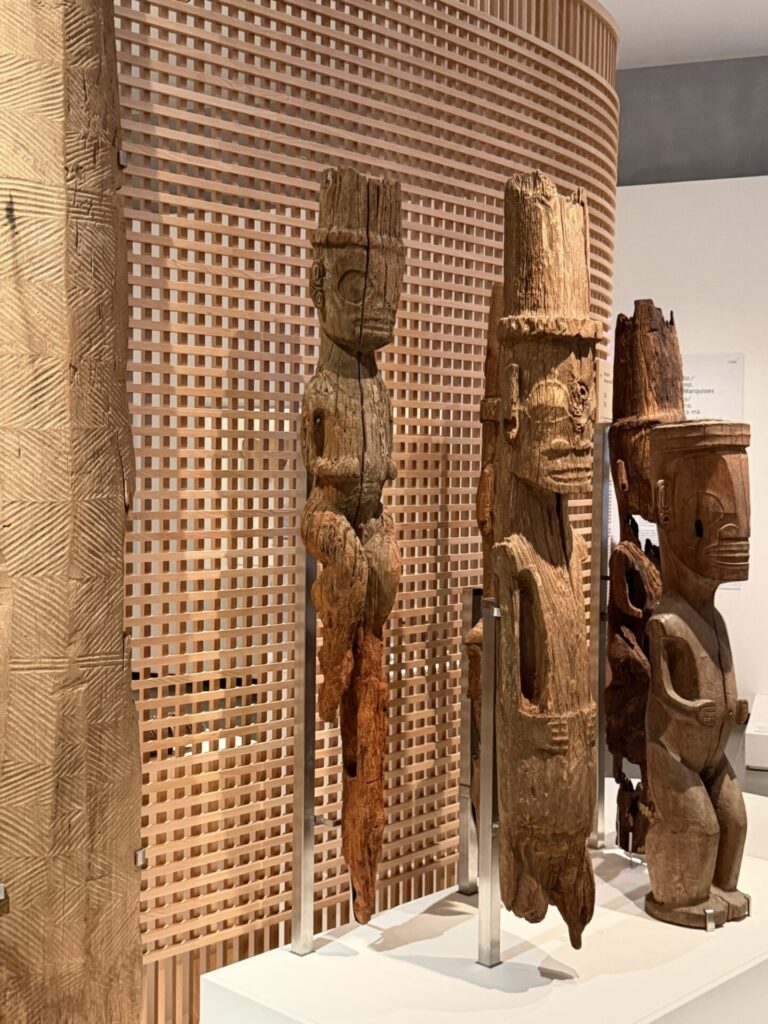
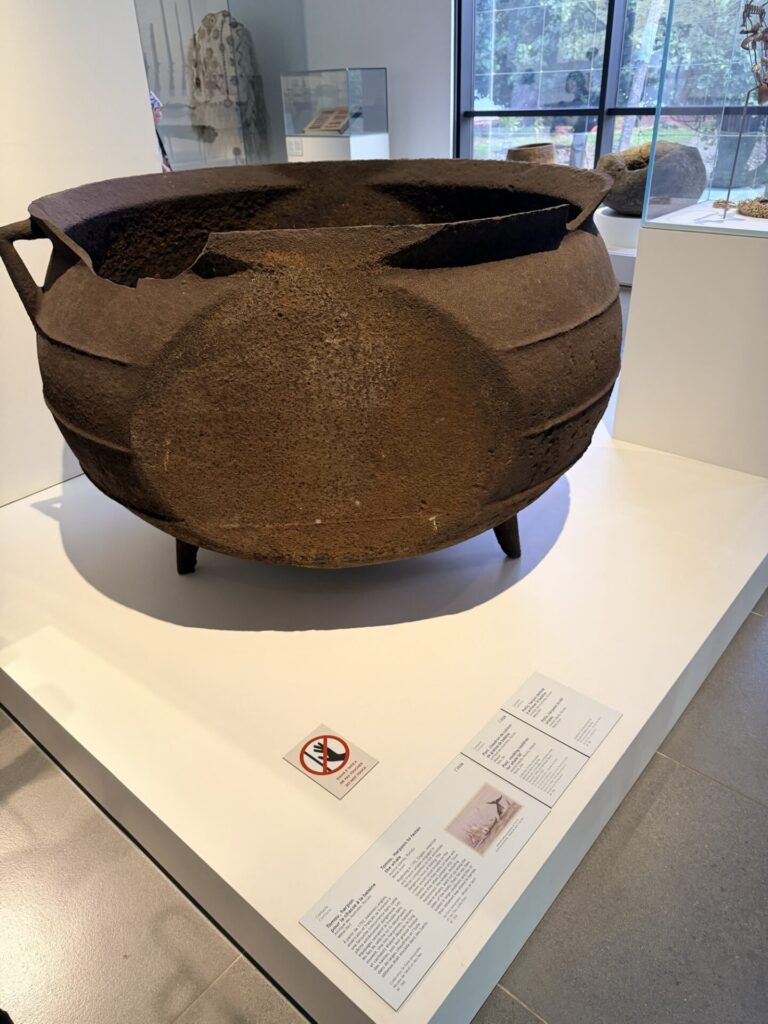
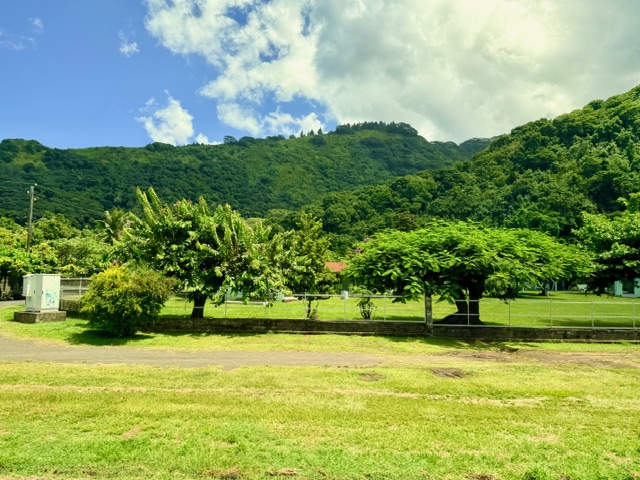
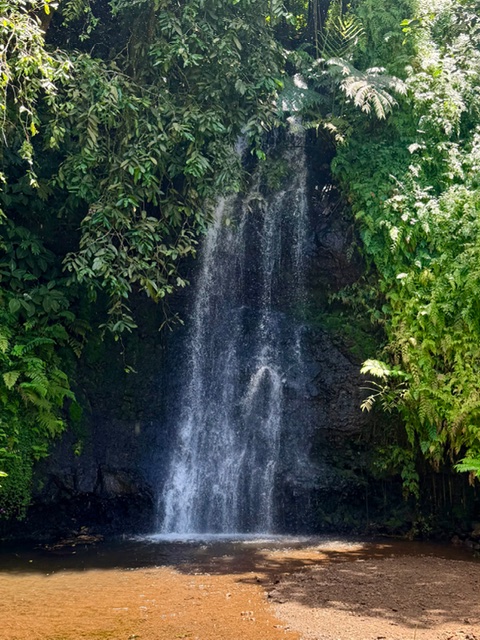
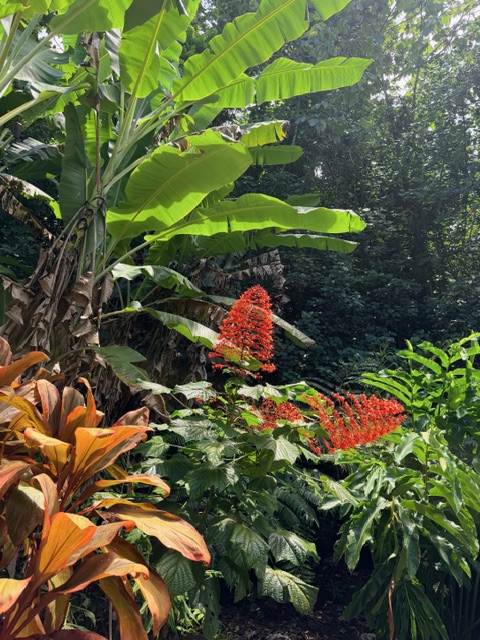
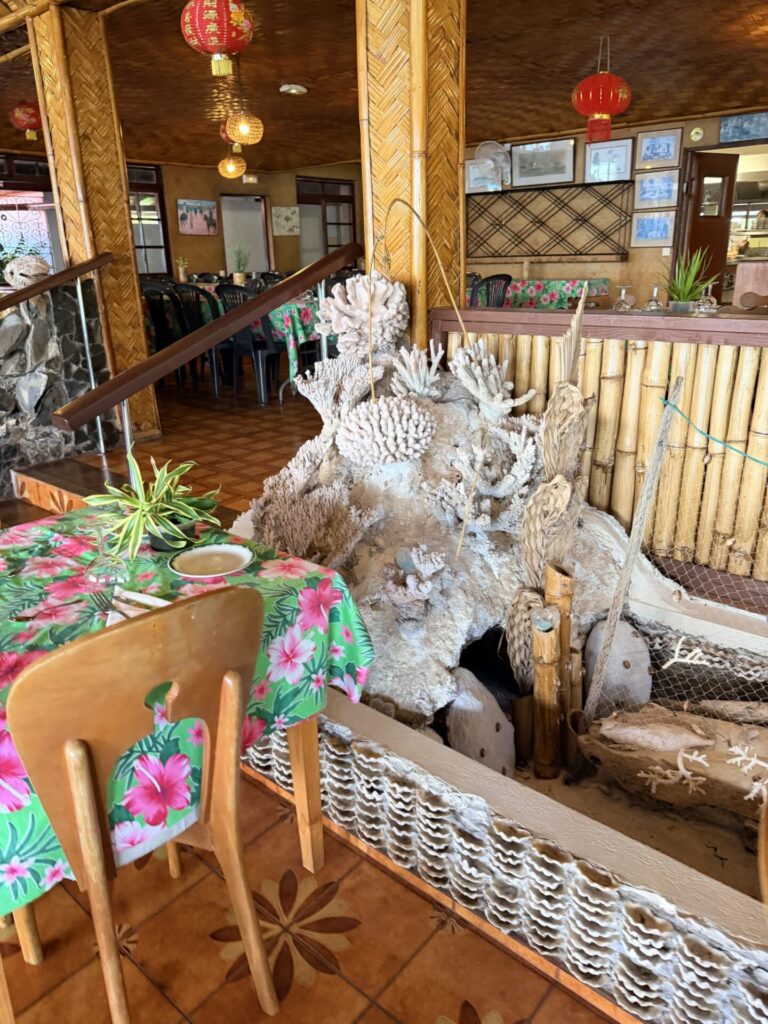
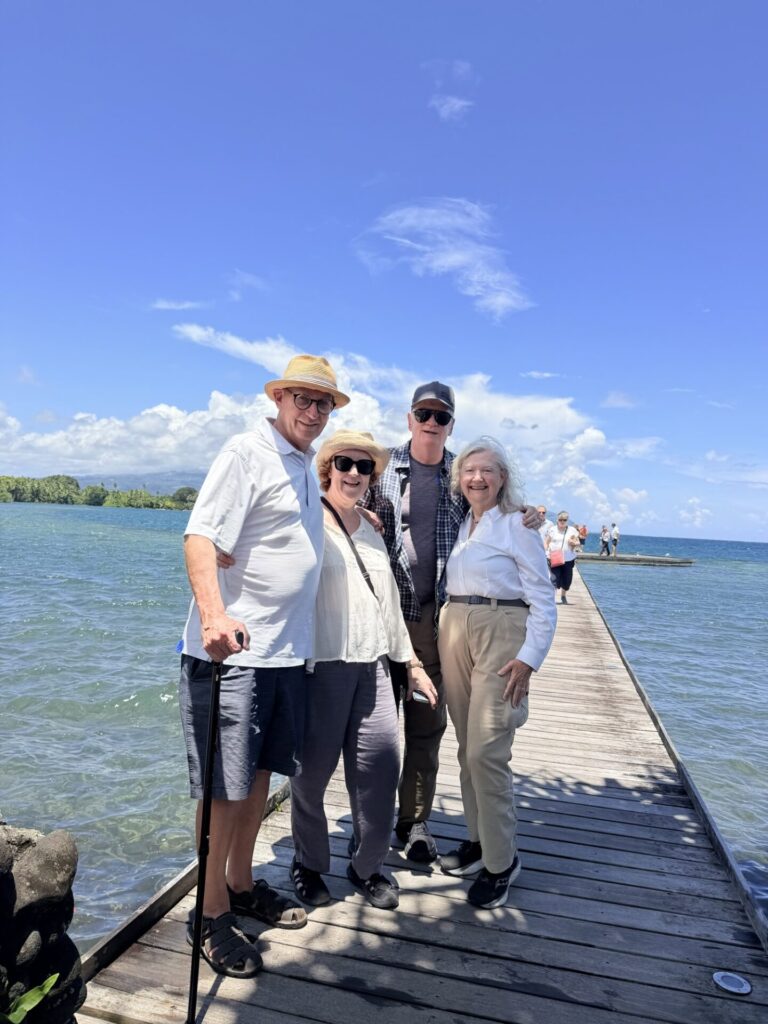
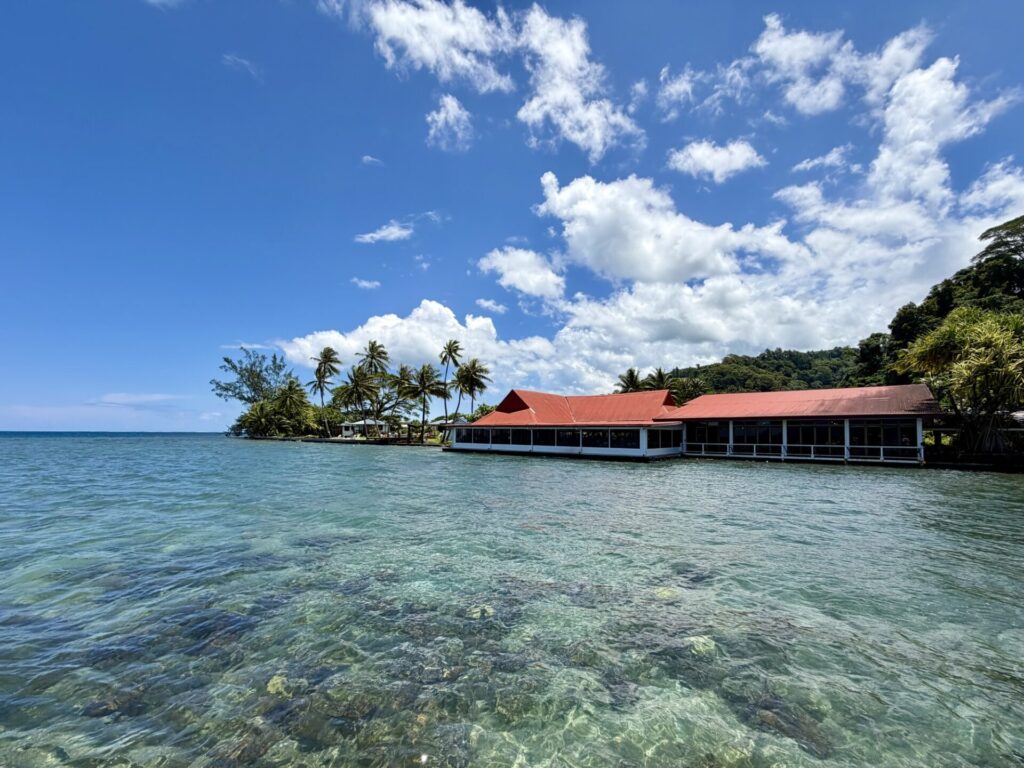
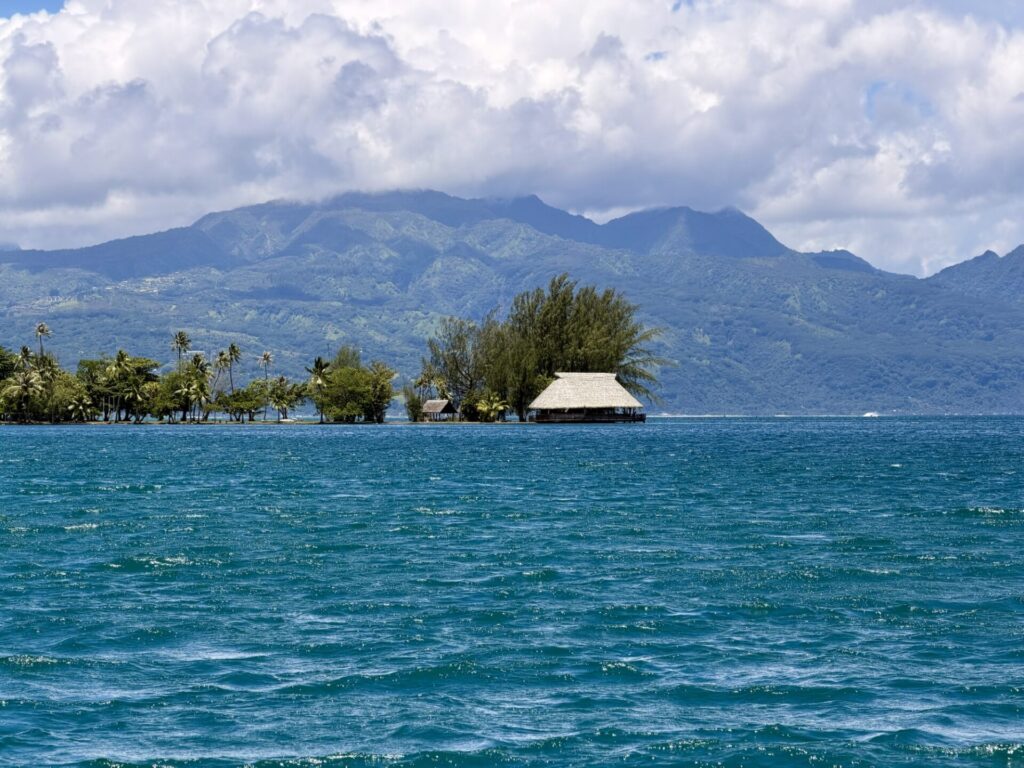
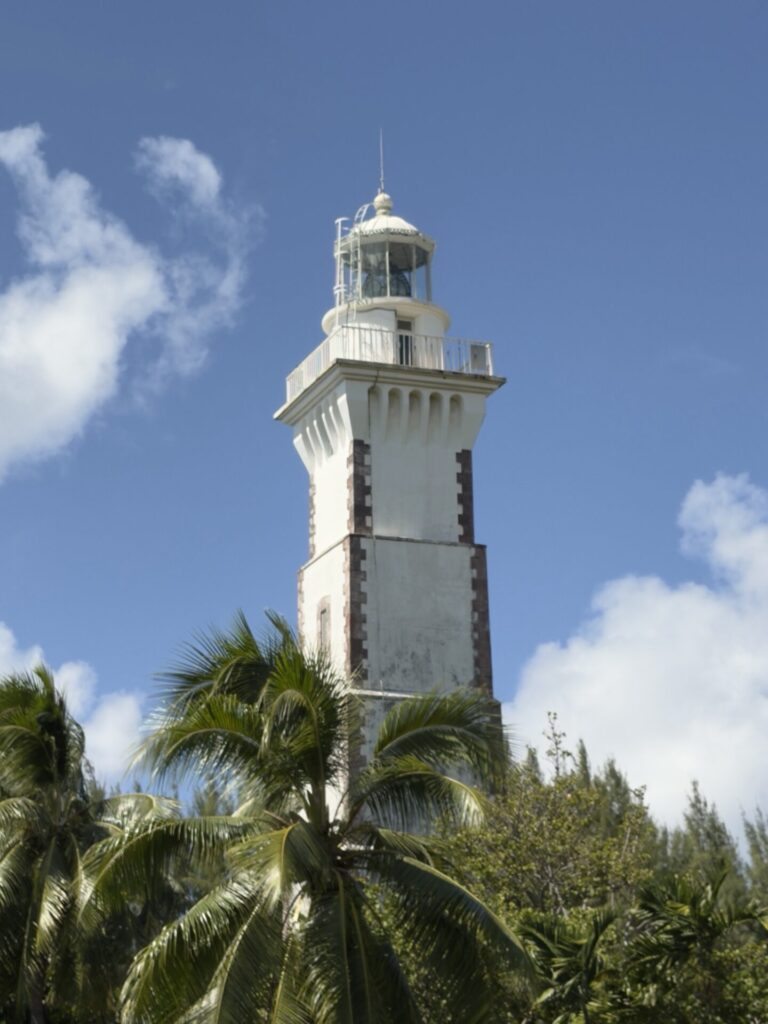
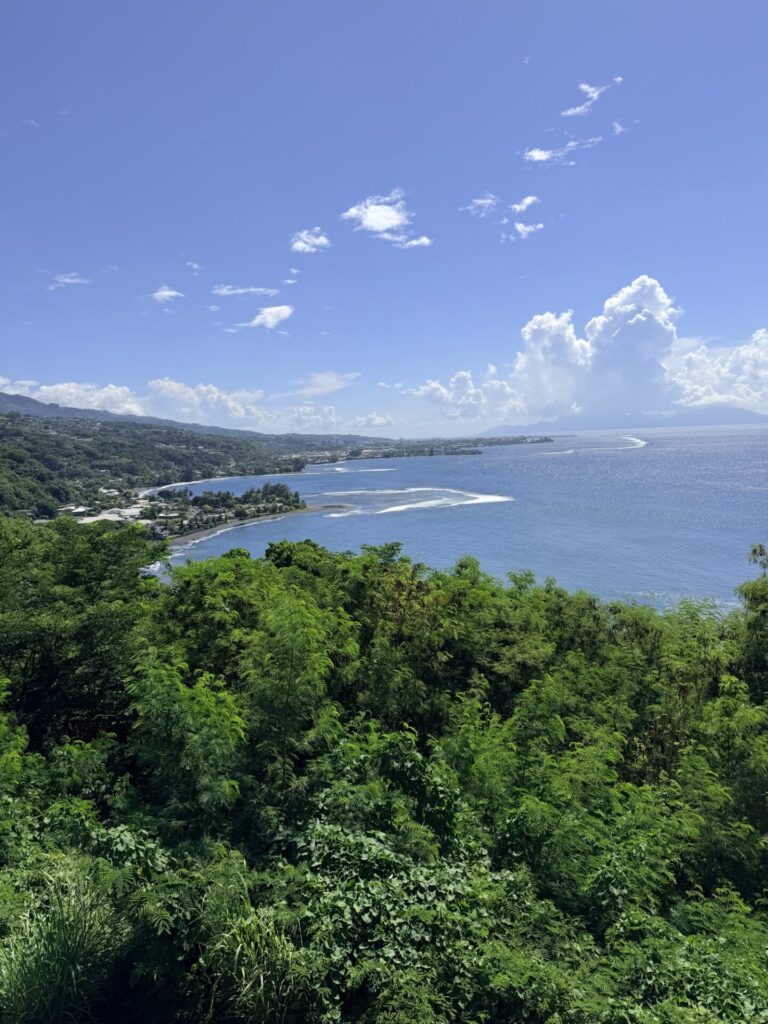
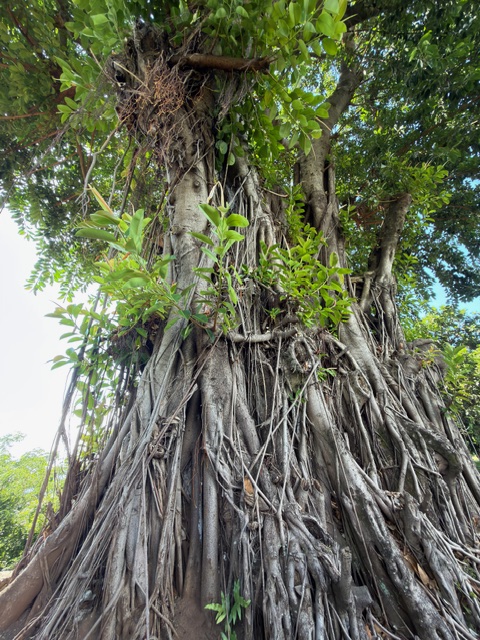
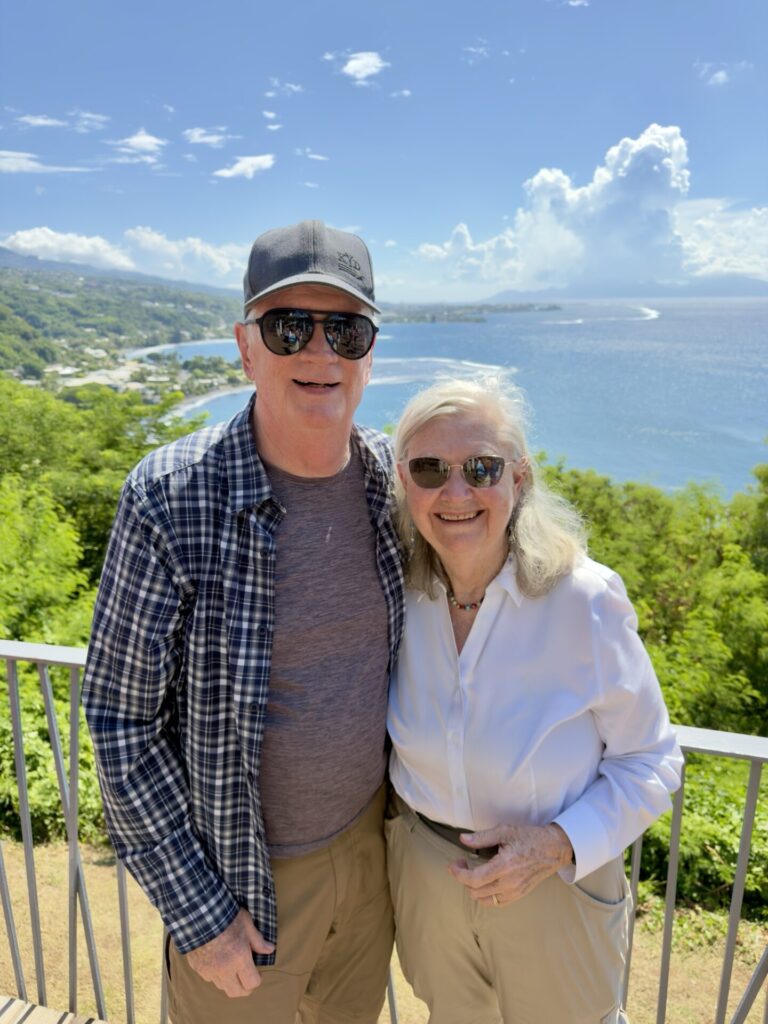
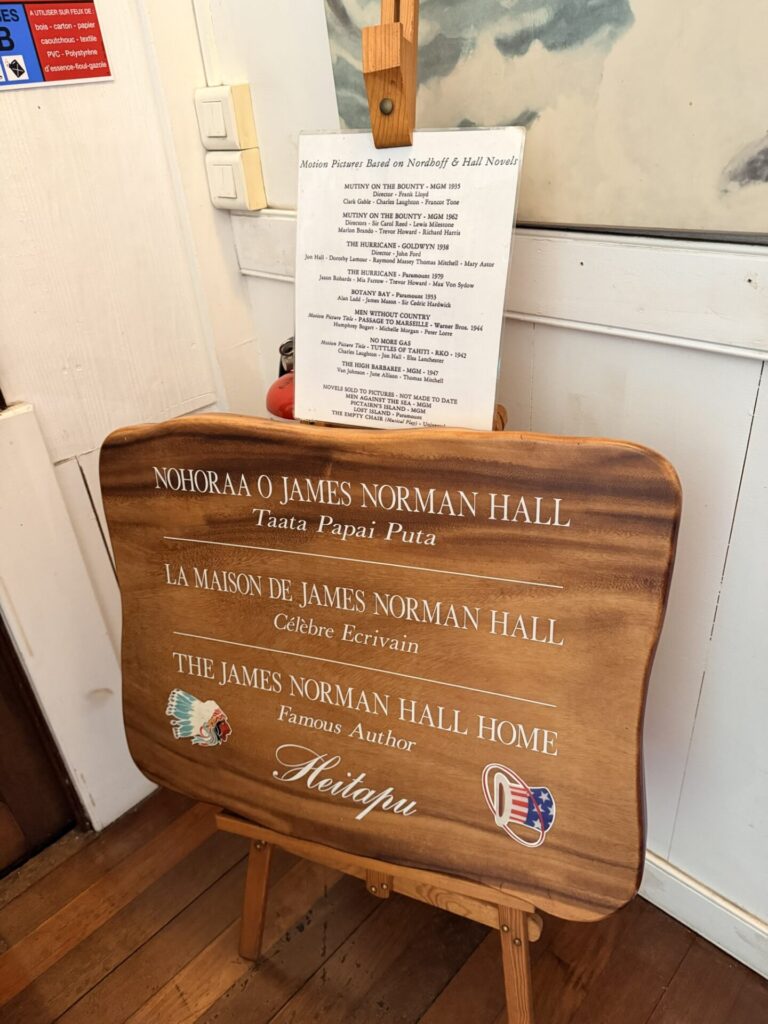
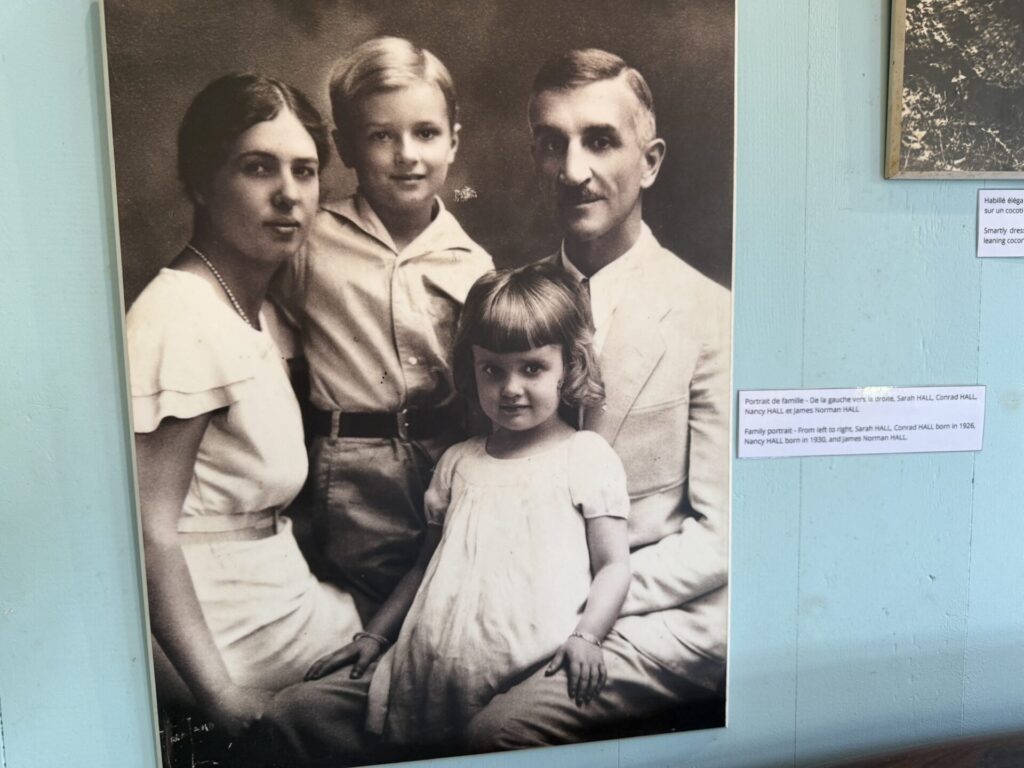
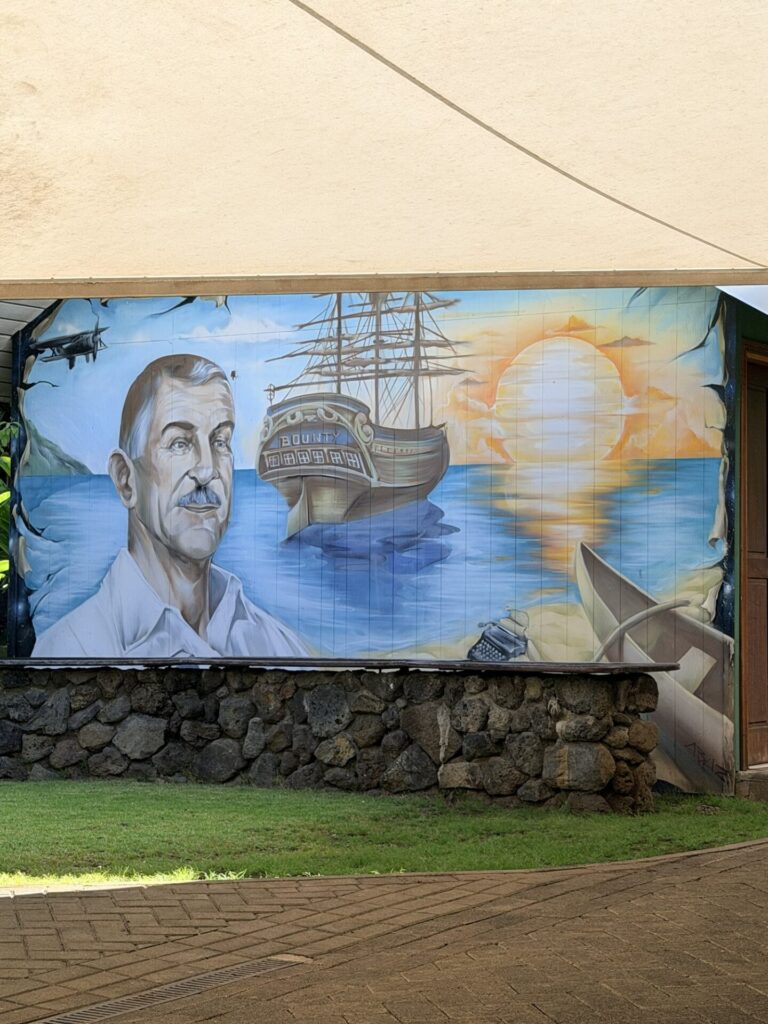
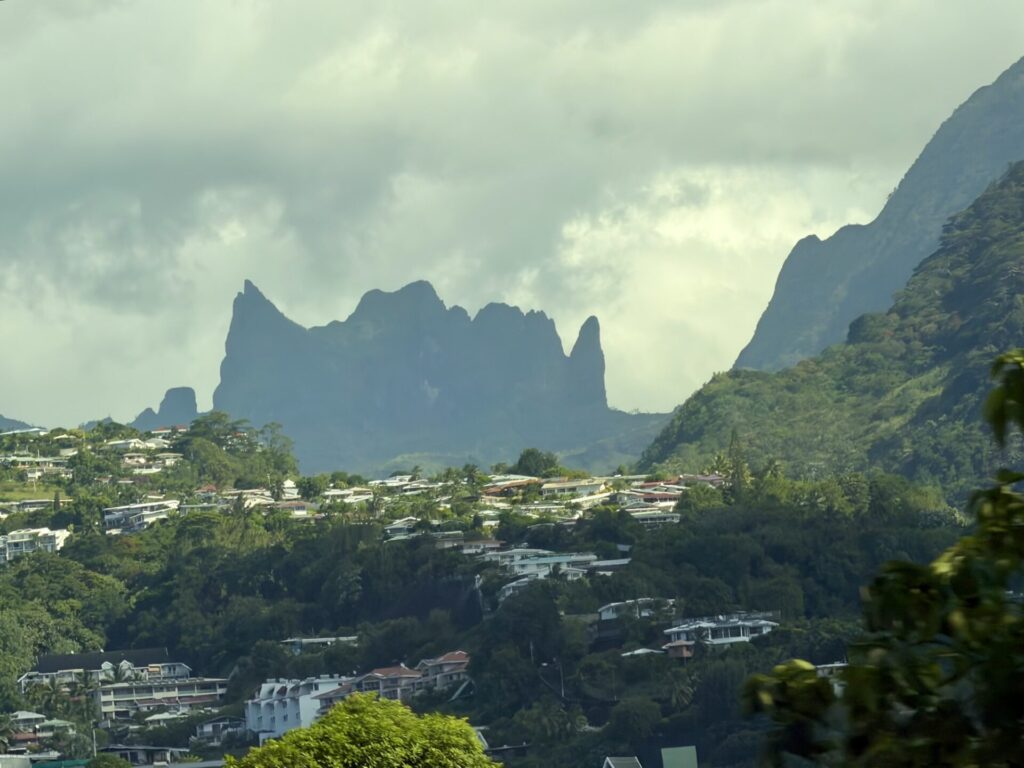
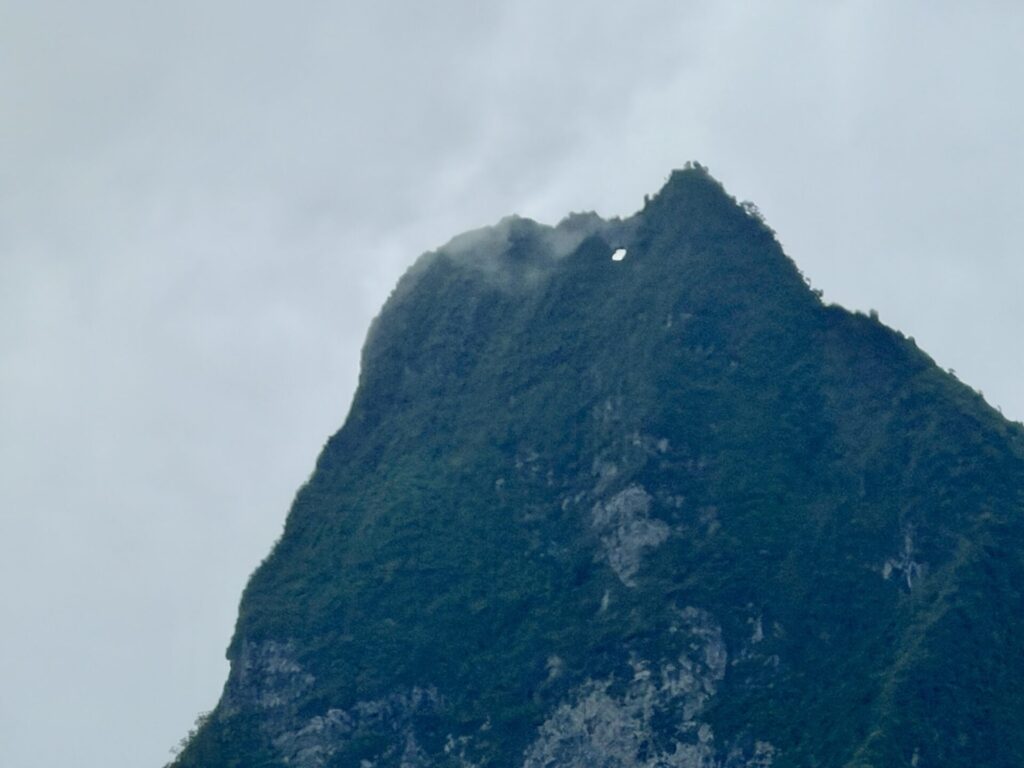
Our two day exploration of French Polynesia began yesterday morning in Papeete, Tahiti, the tiny capital city of this South Pacific country which includes 118 islands and atolls scattered across five different archipelagoes. We soon met our driver Rico and guide Nadia and learned that the tour bus we had boarded had been brought over on the ferry from the island of Mo’orea for today’s tour and would be returning on the ferry for another tour tomorrow! On our way to the Museum of Tahiti and Her Islands Nadia gave us an overview of the happy life here on Tahiti and an overview of the many types of fruit grown here including the eighty varieties of plants introduced by the Polynesians when they came to settle. Prior to that the island’s plants were limited to grass and ferns. Once we were inside the museum she described the Austronesian migration from Taiwan that populated the islands of the Pacific and eventually Tahiti around 1000 AD as well as the culture and traditions of the Tahitians prior to contact with the Europeans beginning in 1767 with the arrival of Captain Samuel Wallis in 1767 aboard HMS Dolphin. Too soon we were off again to visit the Vaipahi Water Gardens, the waters of which were believed by the Tahitians to purify the soul. We were enchanted with the beauty of the lush landscape and the waterfalls with a view of a white sand beach on the other side of the highway. Soon enough we were seated at The Restaurant Gauguin on the south coast of the island and enjoying incredibly blue ocean views as well as a delicious buffet and conversation with fellow travelers Bernard & Laura from Connecticut. Continuing counter clockwise around Tahiti Nui, the larger part of the island which is connected to the smaller land mass, Tahiti Iti by an isthmus, we made our way to Point Venus. This is the black sand beach where Captain John Cook and the astronomers who had accompanied him observed the Transit of Venus in 1769 as well as the site of an 1867 coral constructed lighthouse. Continuing on around the island we stopped briefly at a lookout at Matavai Bay where the Tahitians first encountered European explorers and stopped again at what is now Tahiti’s oldest house and the James Norman Hall House and Museum. Once the home of the author James Norman Hall who served in World War I for Britain, France, and the United States, where he lived with his family and where in collaboration with Charles Bernard Nordhoff he wrote many books including The Bounty Trilogy. On our way back Nadia filled us in on Pape’ete’s recent tradition of street art. Informally it dates back more than 20 years but by 2014 an annual street art competition was underway leading to a wealth of fabulous murals around town. And as a final treat of the tour we got to spot the peak of Mount Orohena the highest point in all of French Polynesia, which from the streets of Pape’ete appears as a crown. Back at the pier the two of us made a quick trip to check out the Pape’ete Market before making our way back to our ship for a delicious dinner and an early bedtime.


Mo’orea
Thursday 19 February 2026
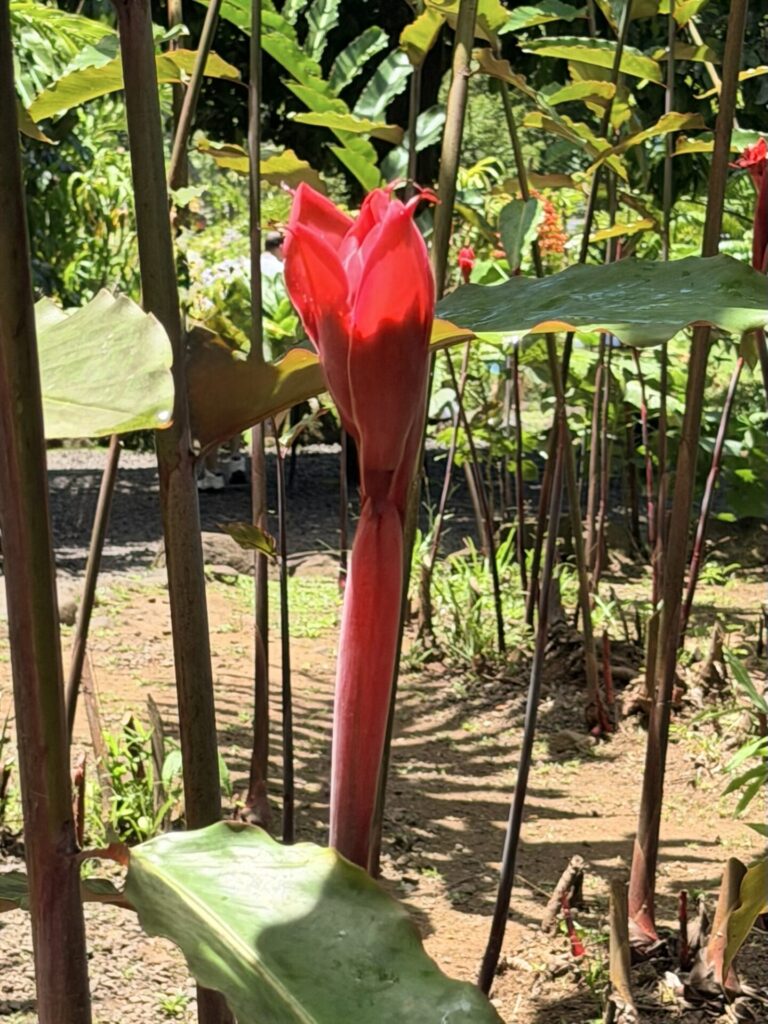
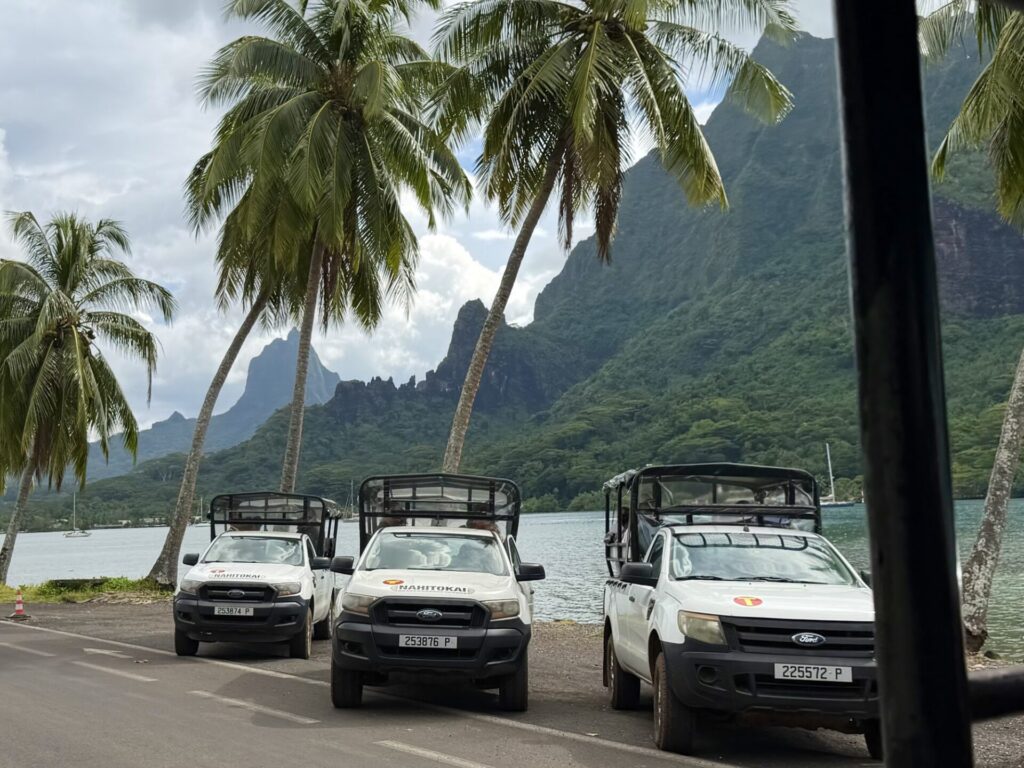
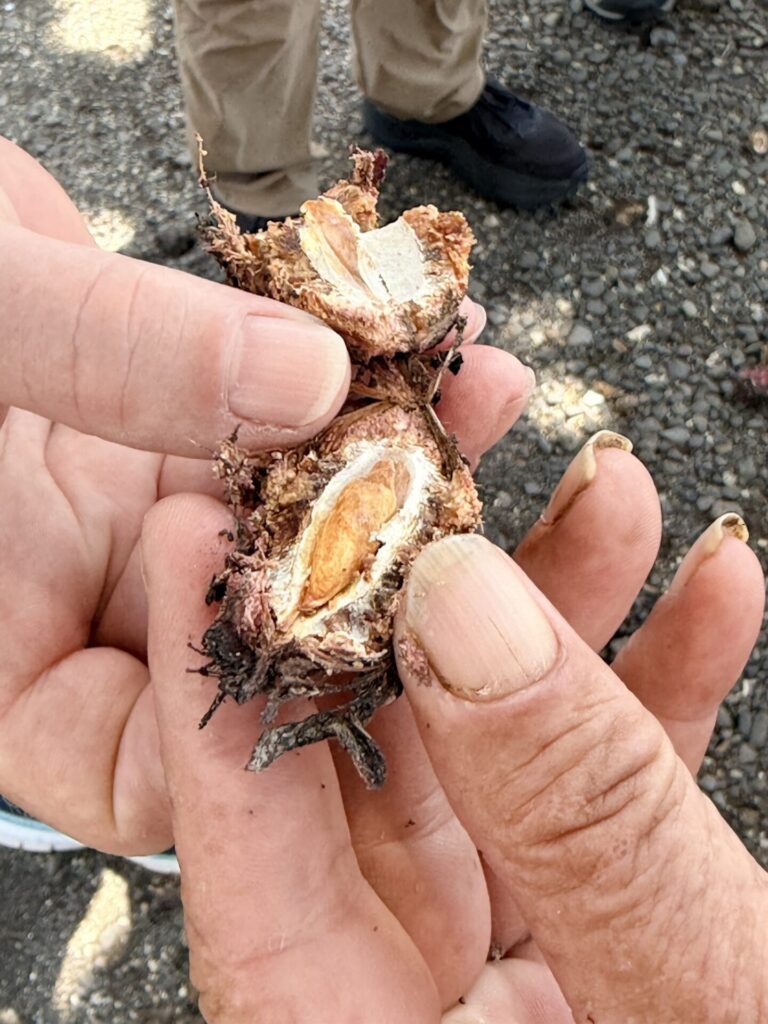
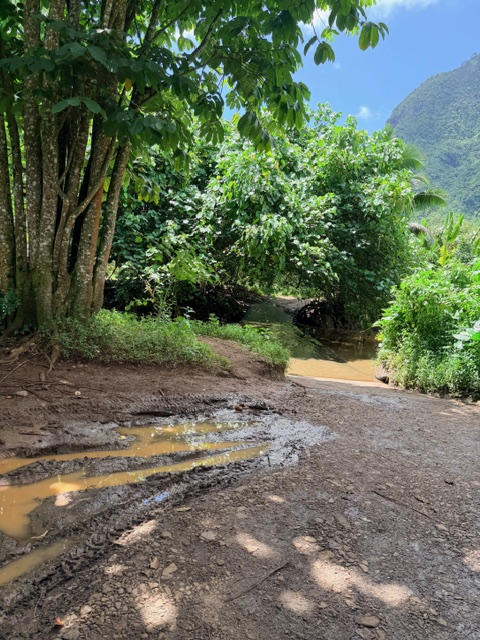
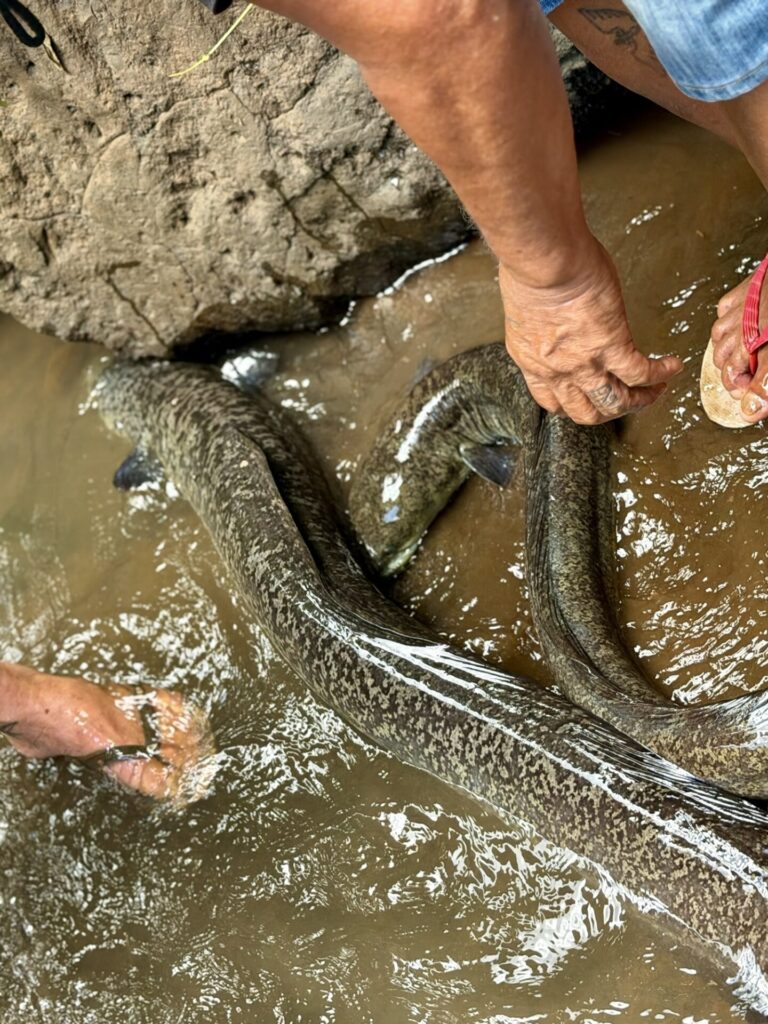
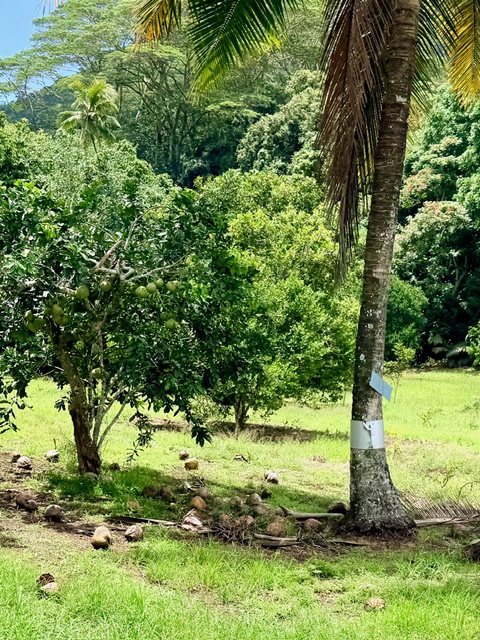
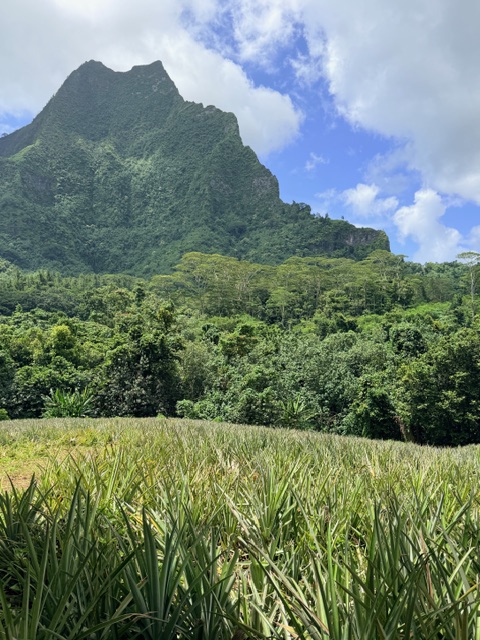
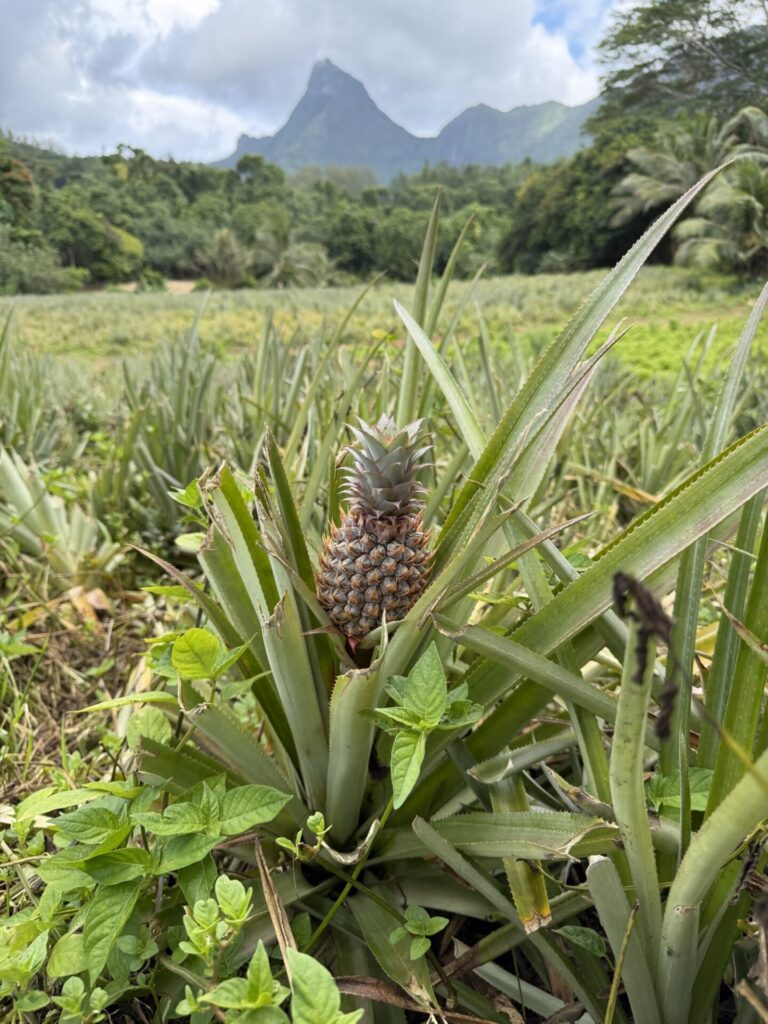
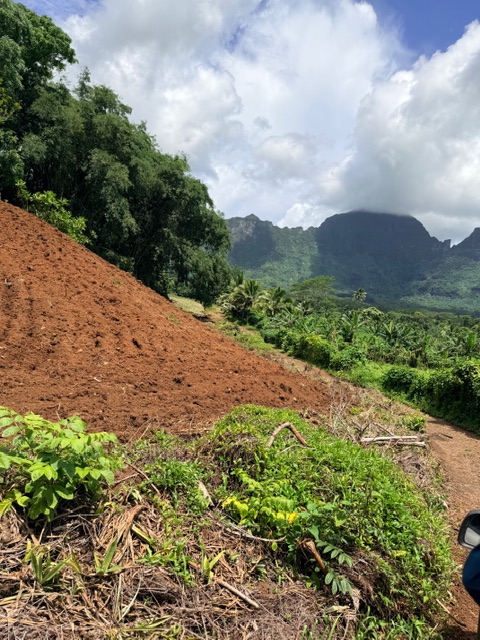
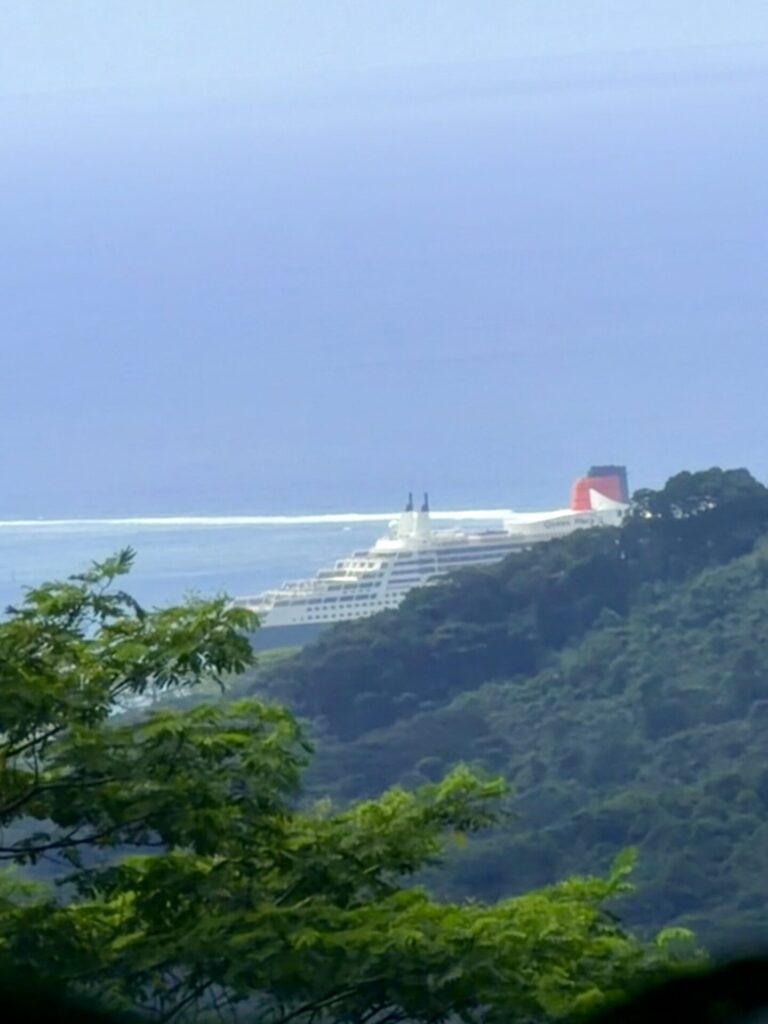
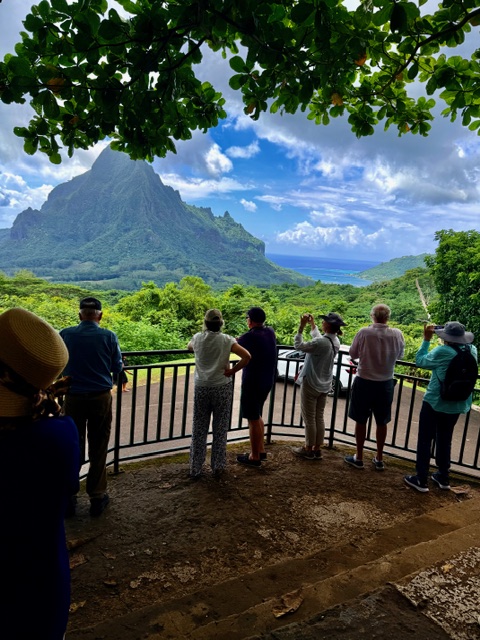
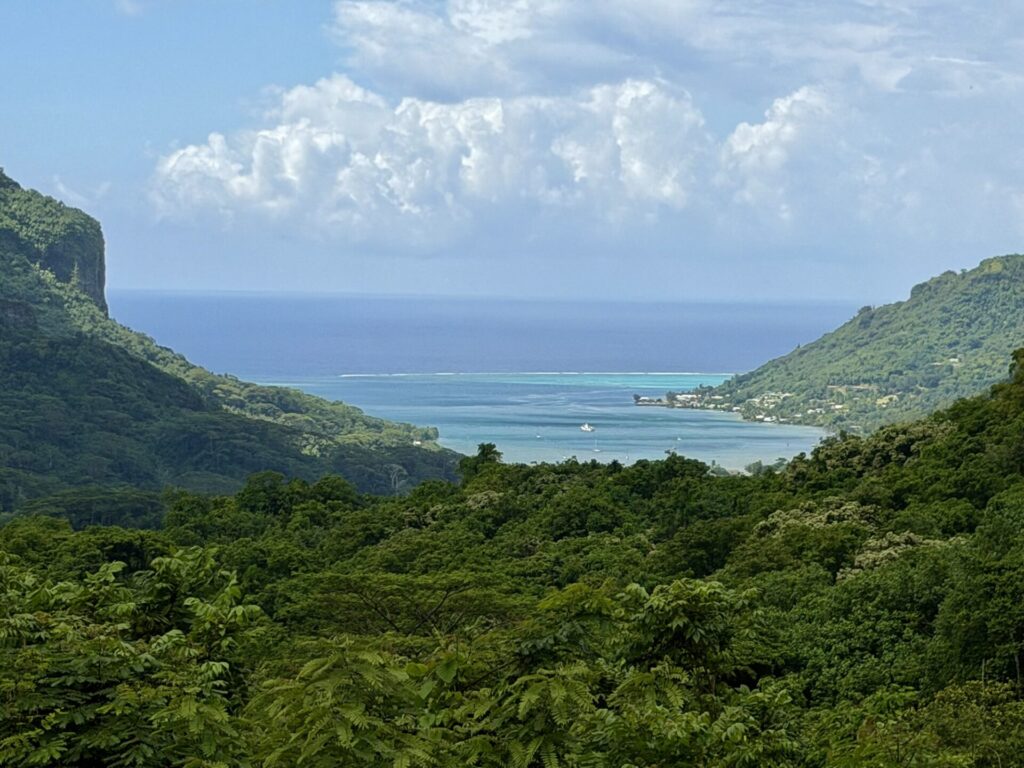
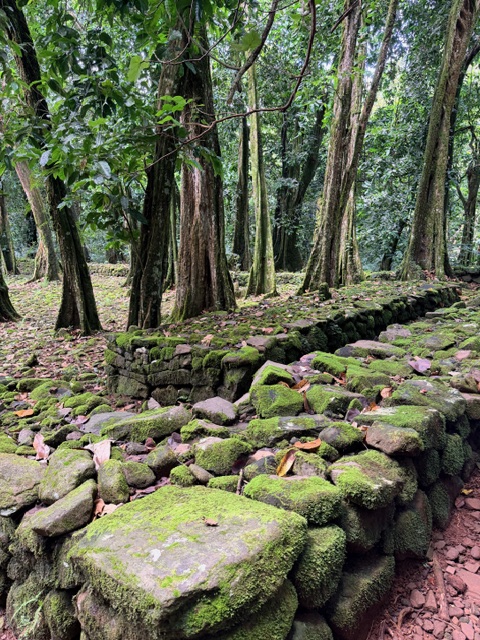
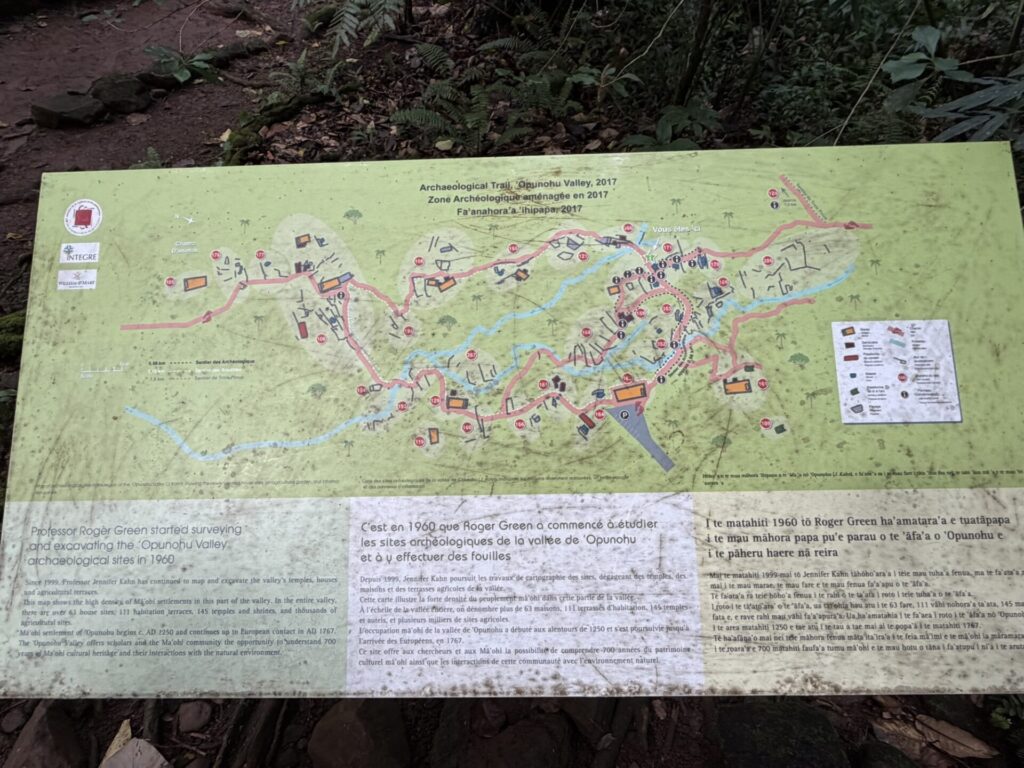
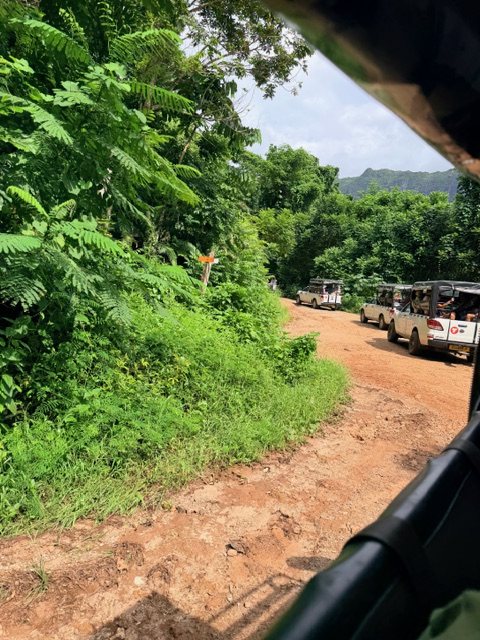
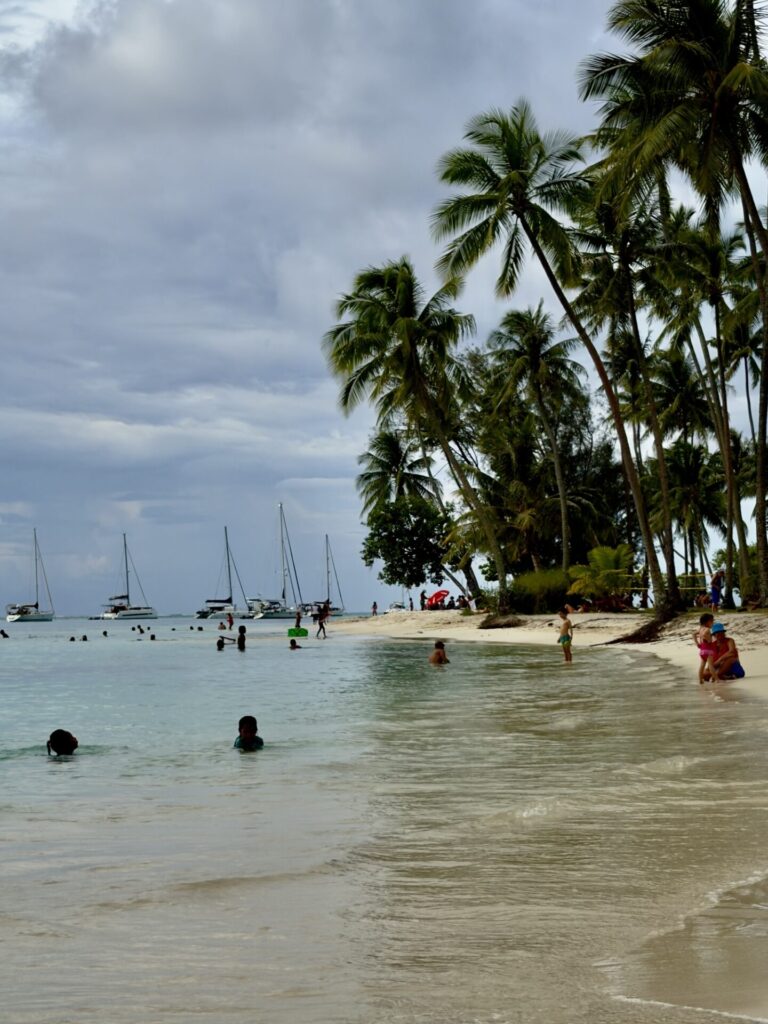
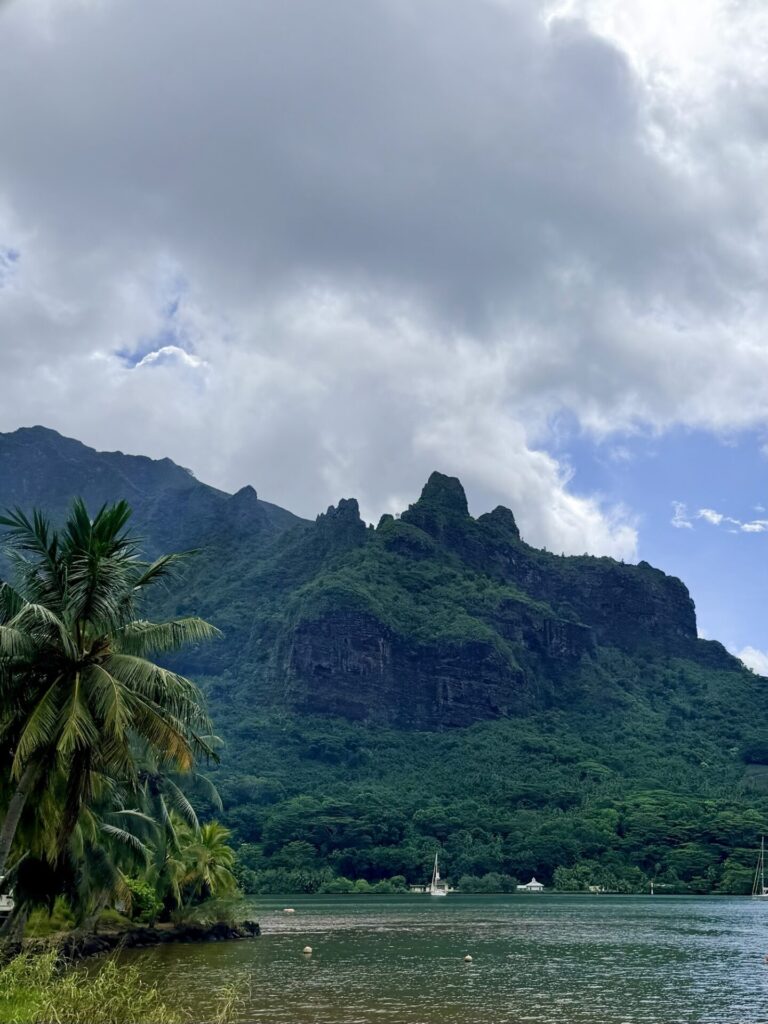
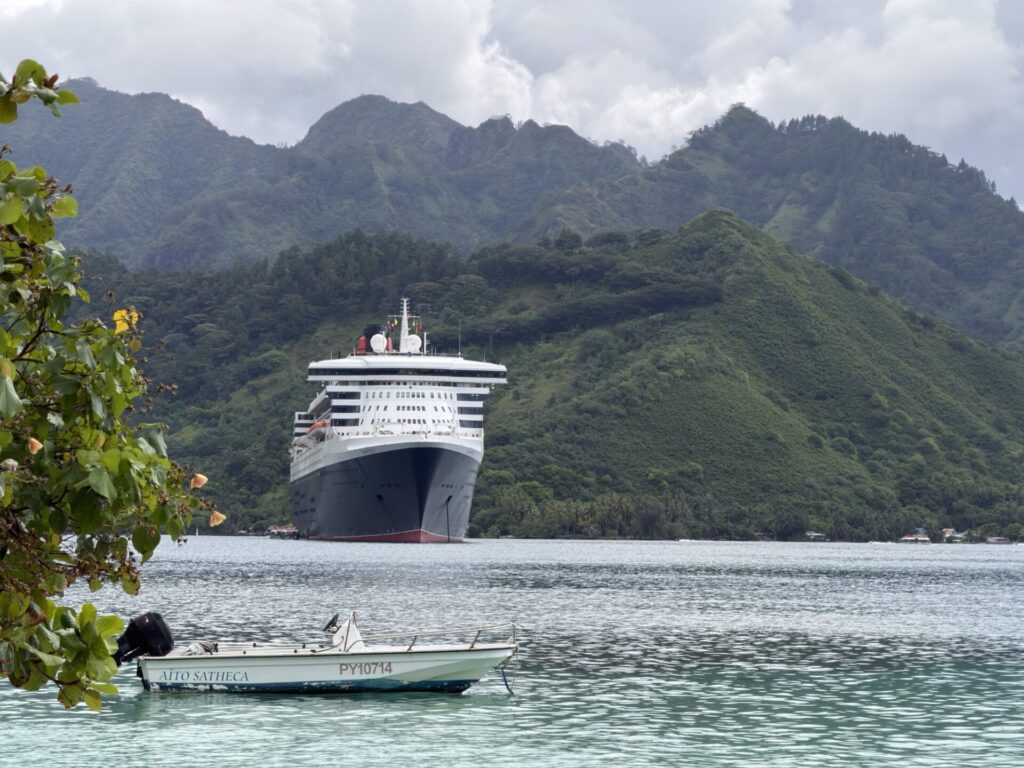
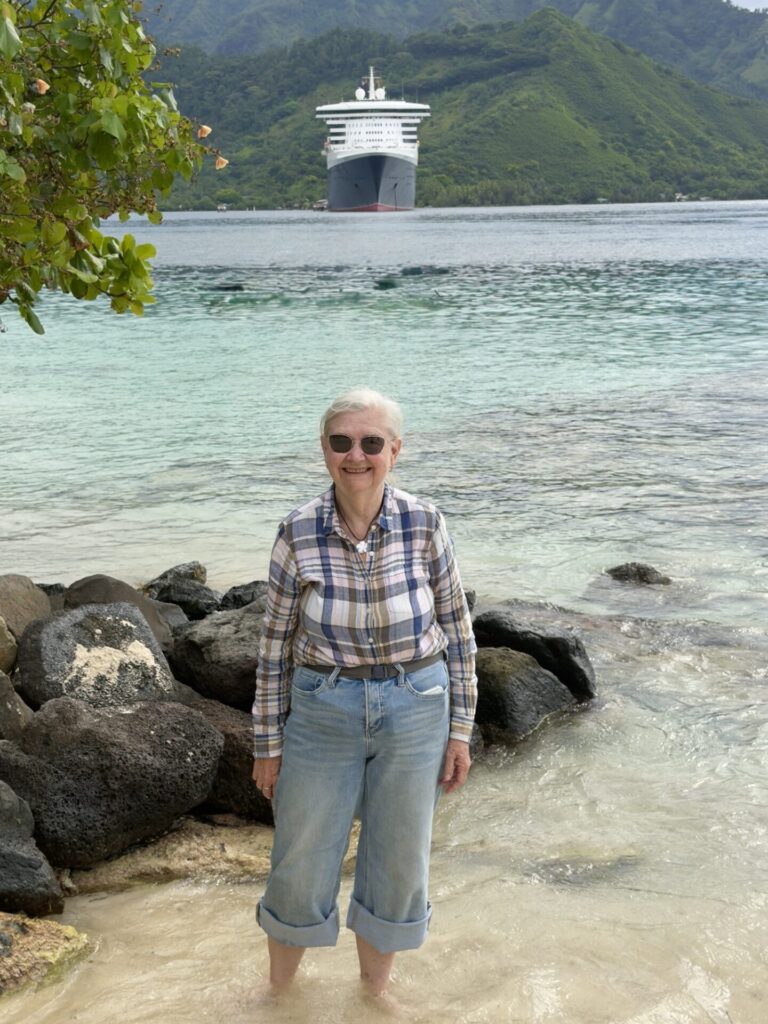
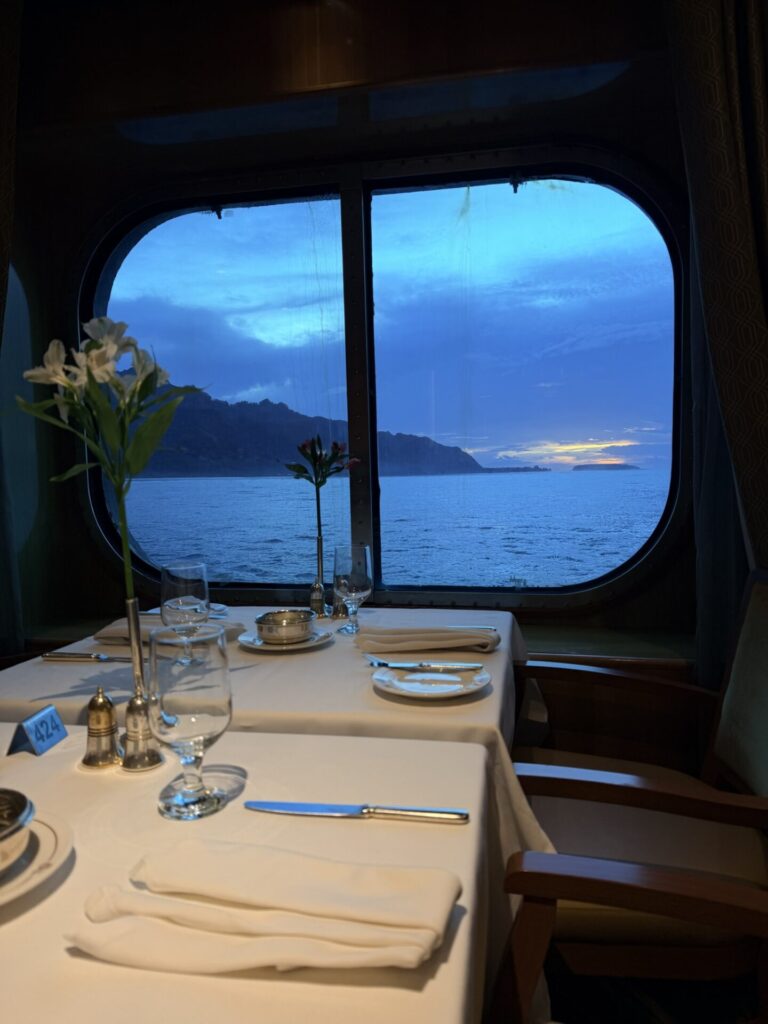
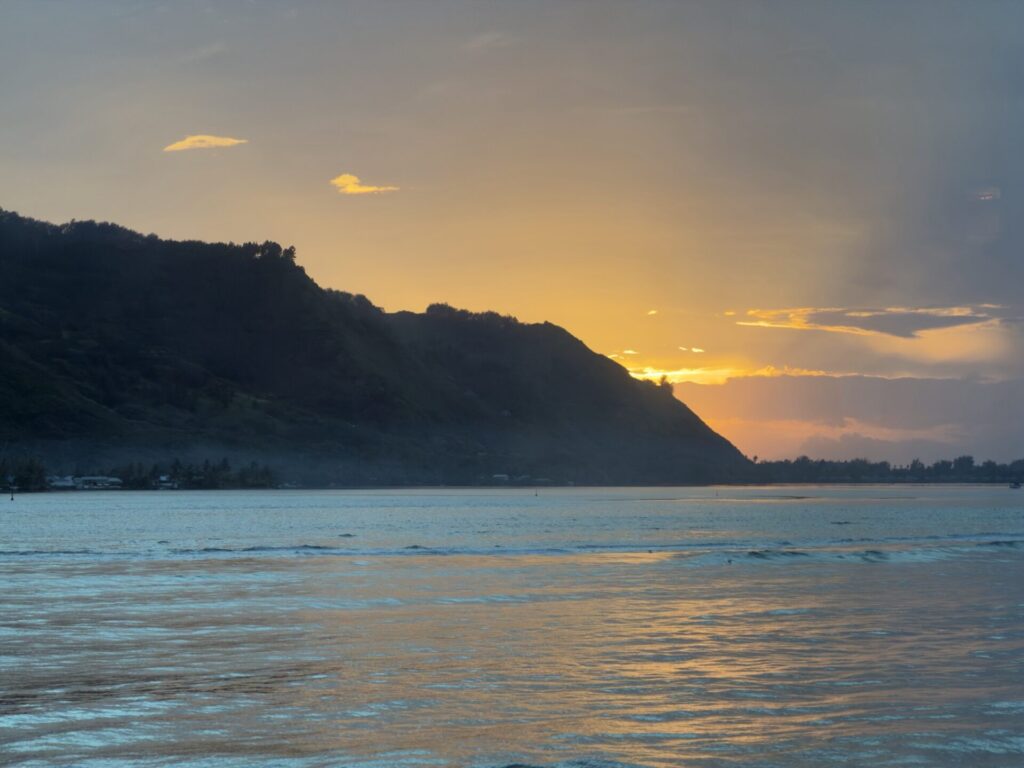
Soon enough we were up early this morning and off the ship for a tender ride from our anchorage off the coast of Mo’orea Island. Today’s adventure was a bit of a contrast to yesterday’s. Instead of a large motor coach we were transported as part of a caravan of four 4X4 pickup trucks outfitted with roll bars, a tarp roof, and padded bench seats. Our guide Tom was very obviously in love with his native land. Mo’orea though much like Tahiti in flora and fauna is geologically older as well as much less developed. It felt much more like what we expected Tahiti to be like with much less commercial development. Many of the residents commute by ferry to Pape’ete on Tahiti. Our first stop, to allow the others in the caravan to catch up with us, was at a black sand beach at Opunohu Bay where we could see Queen Mary 2 at anchor. Historically important, it’s where Captain James Cook, Captain William Bligh, and the film crews of “Mutiny on the Bounty” and “South Pacific” to name just a few have come before. It’s a place where the twenty-two thousand inhabitants communicate by “coconut radio” and only eleven police patrol the one paved road. But our tour took us along dirt roads through the interior. We visited a spot where the road fords the river and we stopped to watch the guides chum the water to attract what they called “Blue Eyed Tahitian Anacondas.” These huge freshwater eels enthusiastically gathered in search of a free lunch and some of us took the opportunity to pet one or two! At a pineapple “plantation” we learned that the fruit was introduced to Tahiti by Captain Cook. The Queen Tahiti variety grown here is a sweeter and tenderer variety that is grown here only for domestic consumption. They’re also used to make pineapple rum and pineapple champagne. Four hundred families on the island are pineapple growers and none may have pineapple holdings greater than one acre. Additionally they must meet a five year residency requirement before getting a pineapple permit. Soon we were walking the perimeter of a Marae, a temple or sacred place with stone walls but no roof so that prayers can reach the gods. And from the highest viewpoint on the island, Belvedere Lookout, we could see Mount Rotui with Cook’s Bay on the right and Opunohu Bay on the left. All in all we totally fell in love with this island finishing the day with a stop at Ta’ahiamanu Beach on Opunohu Bay for a photo op with the Queen Mary 2 in the background before returning to the ship for dinner and a lovely sunset through the windows of the Britannia Dining Room. What an incredible adventure this is!

Love the pics! It’s beautiful there!