

Thursday 26 February 2026
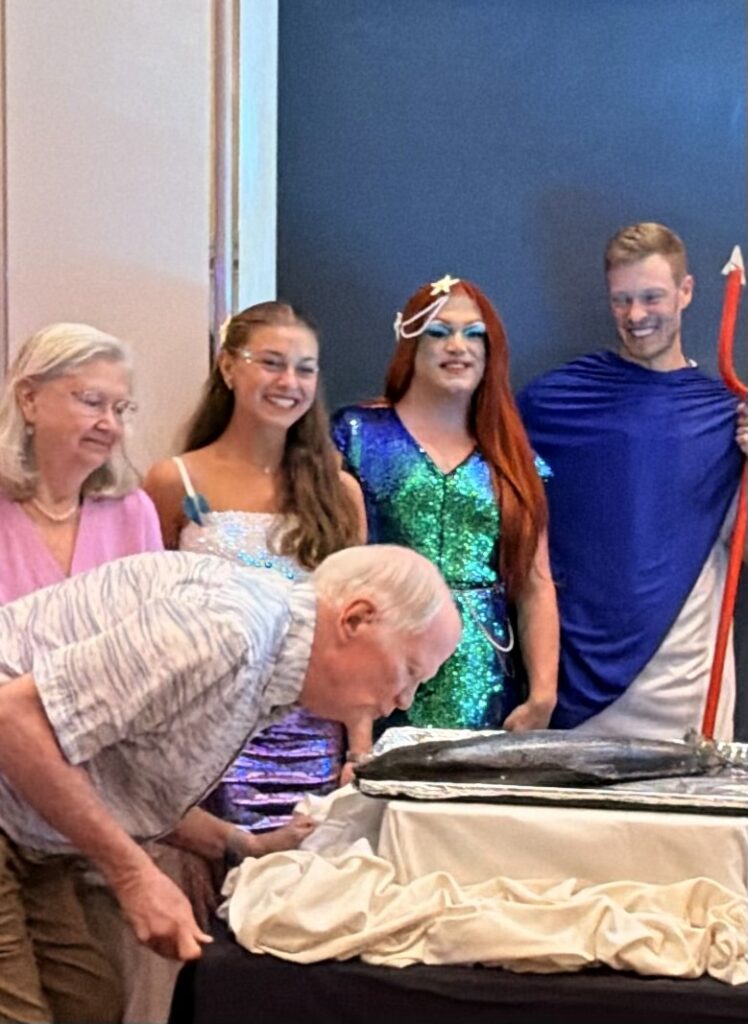
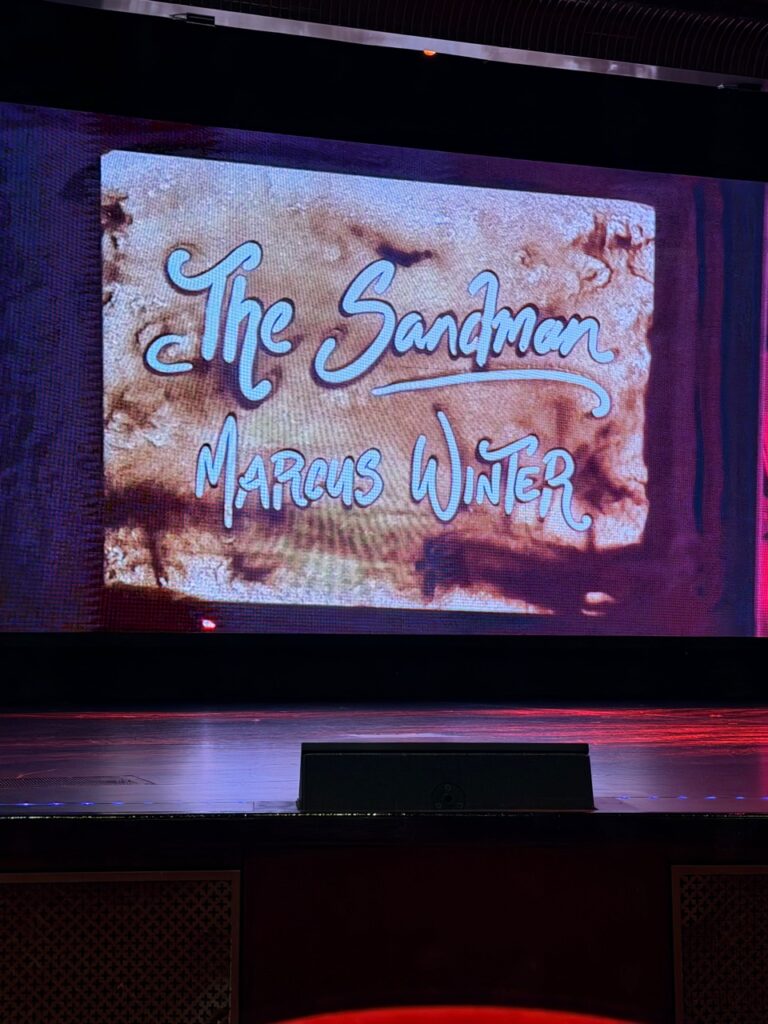
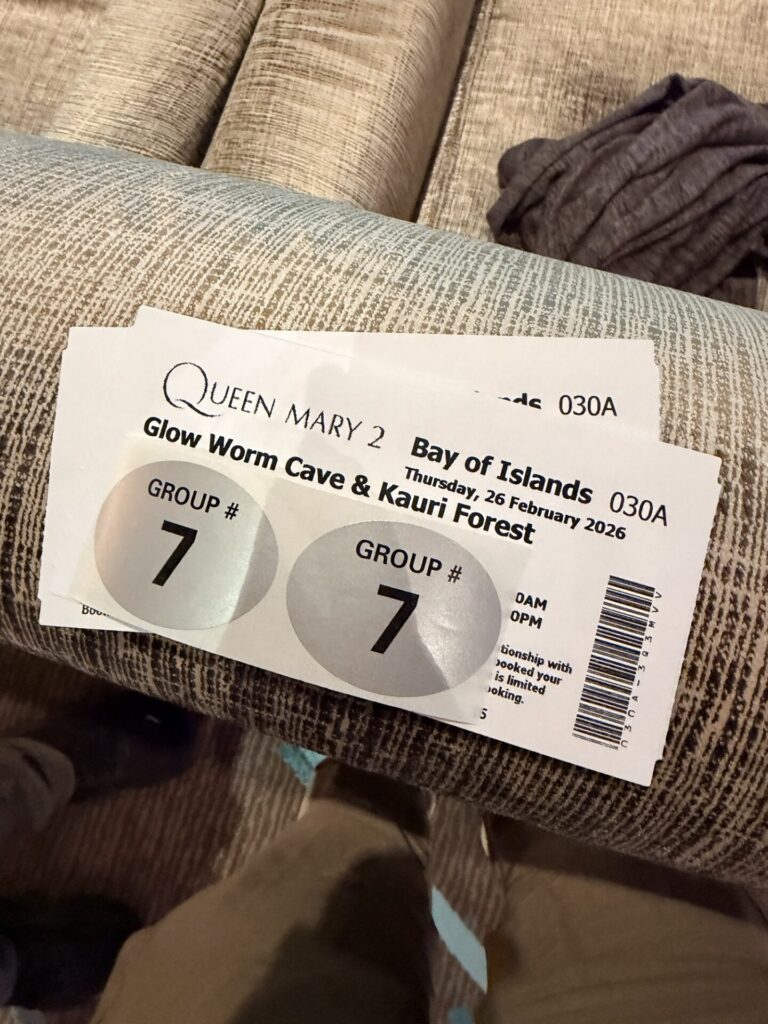
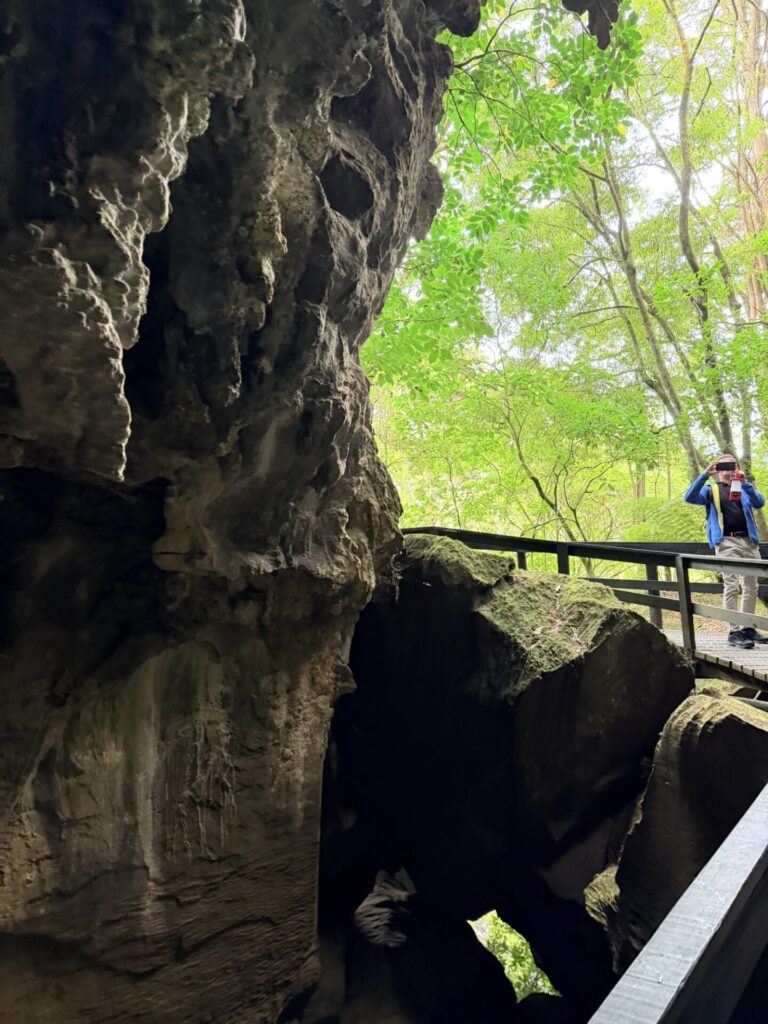
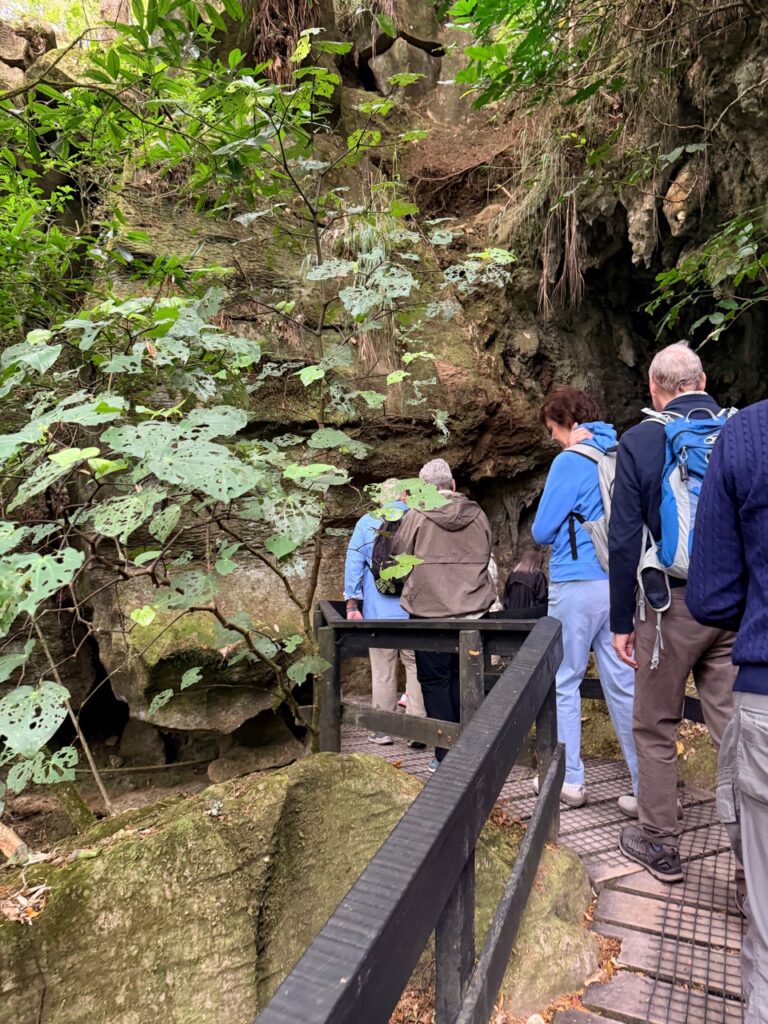
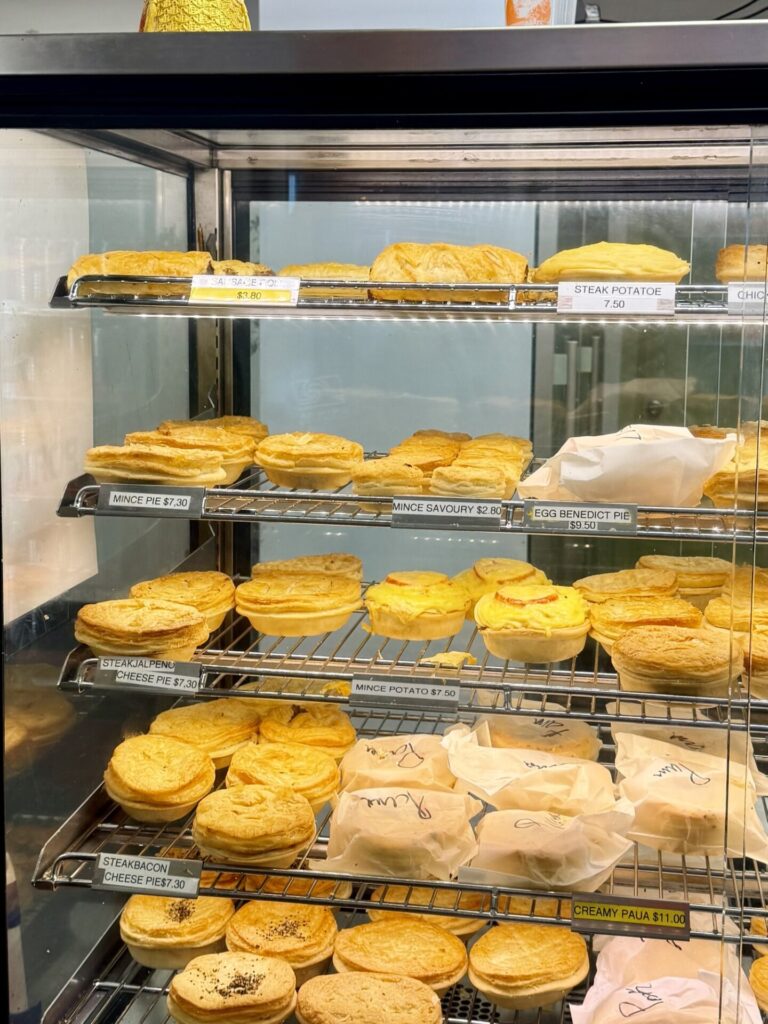
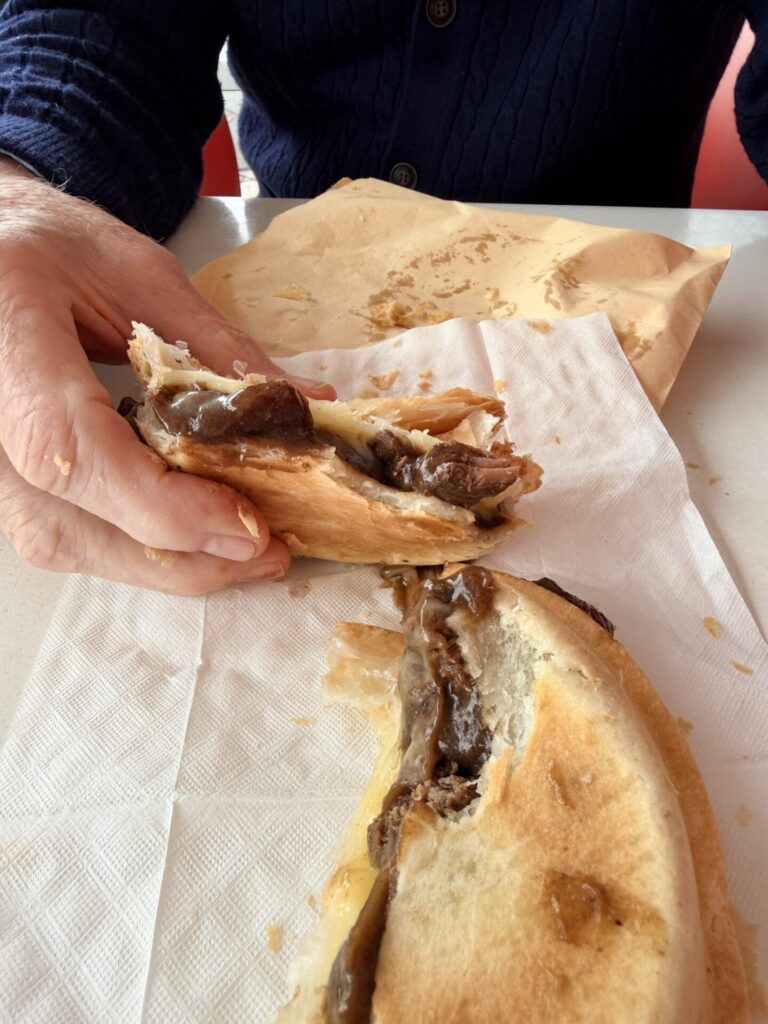
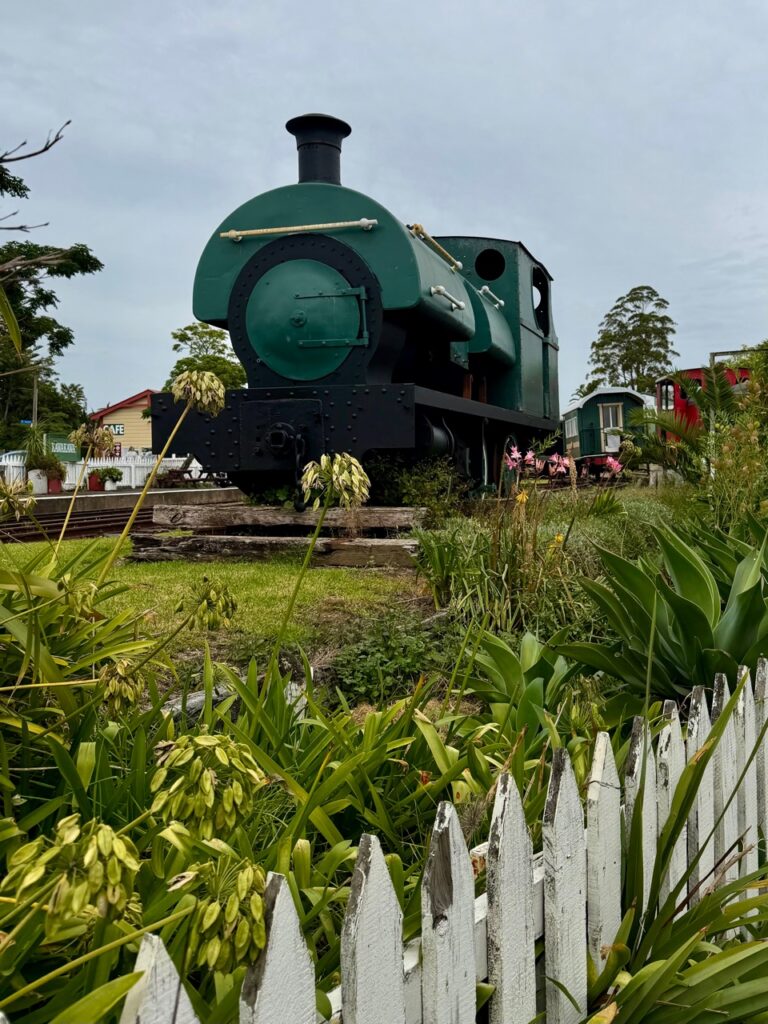
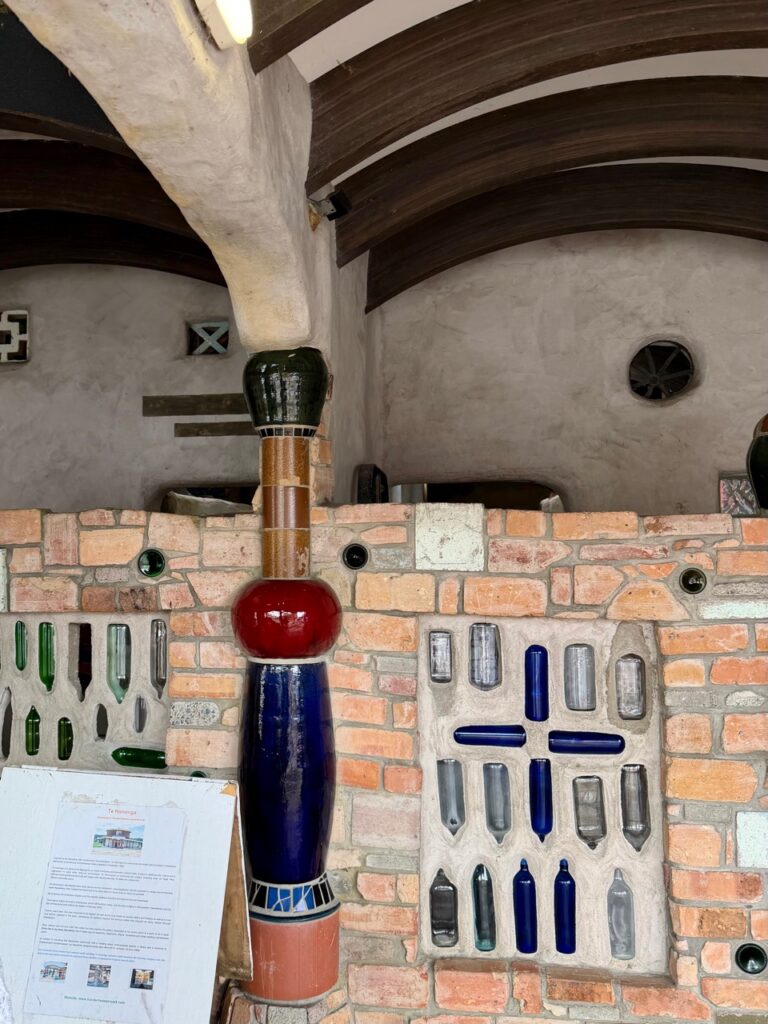
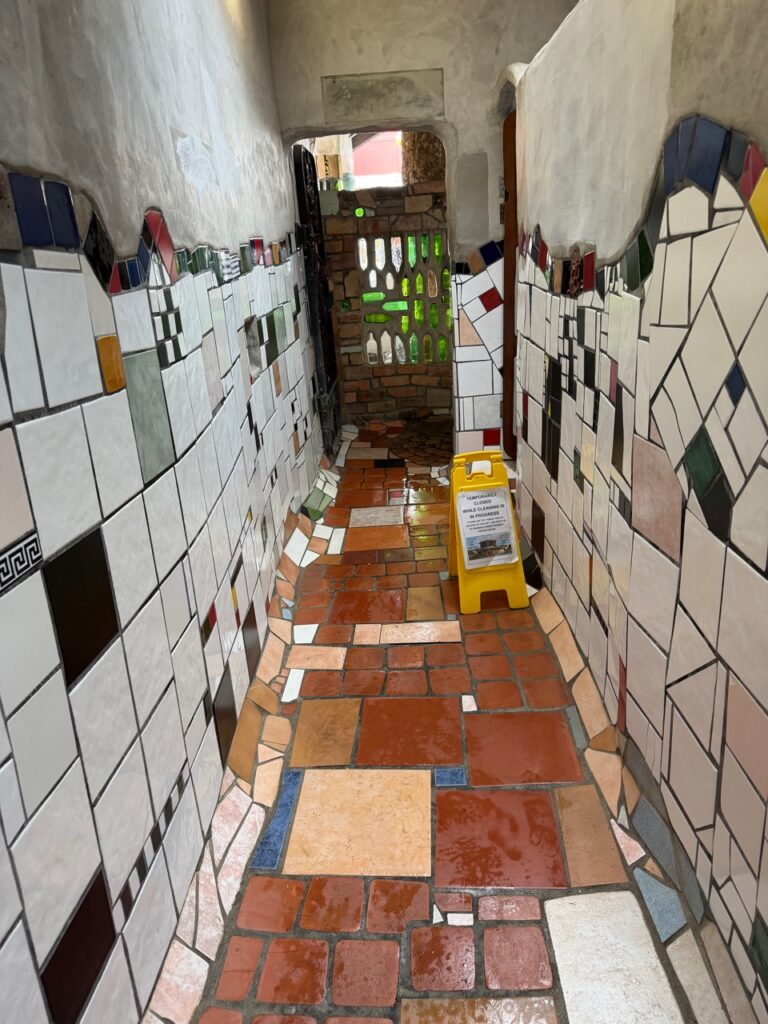
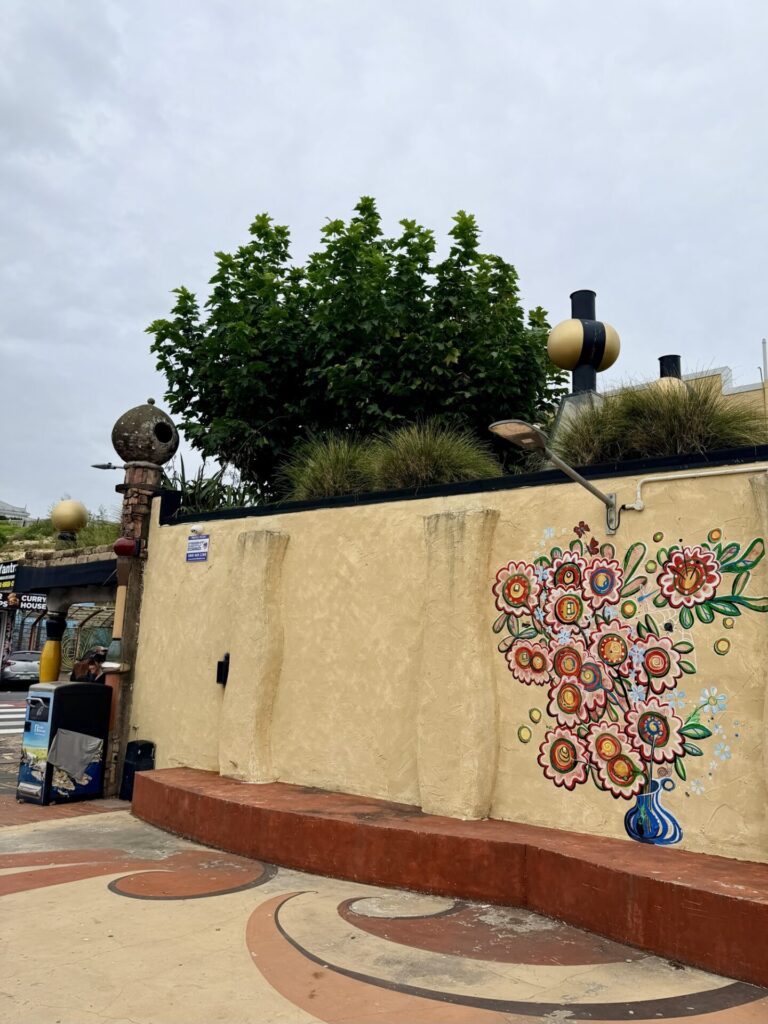
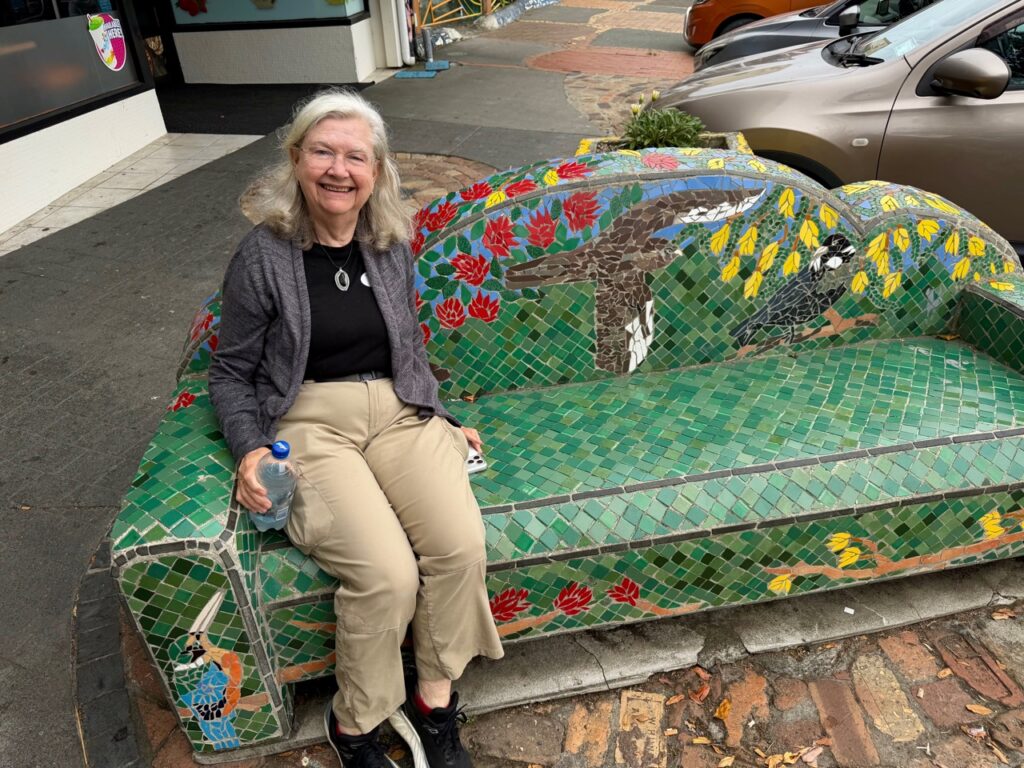
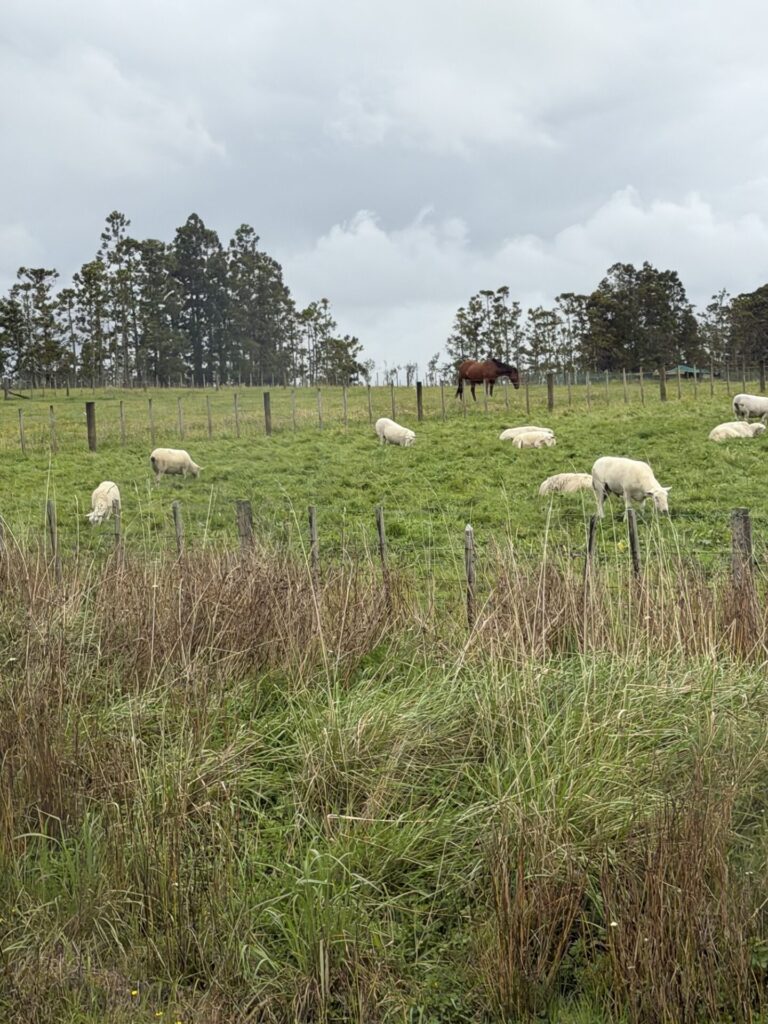
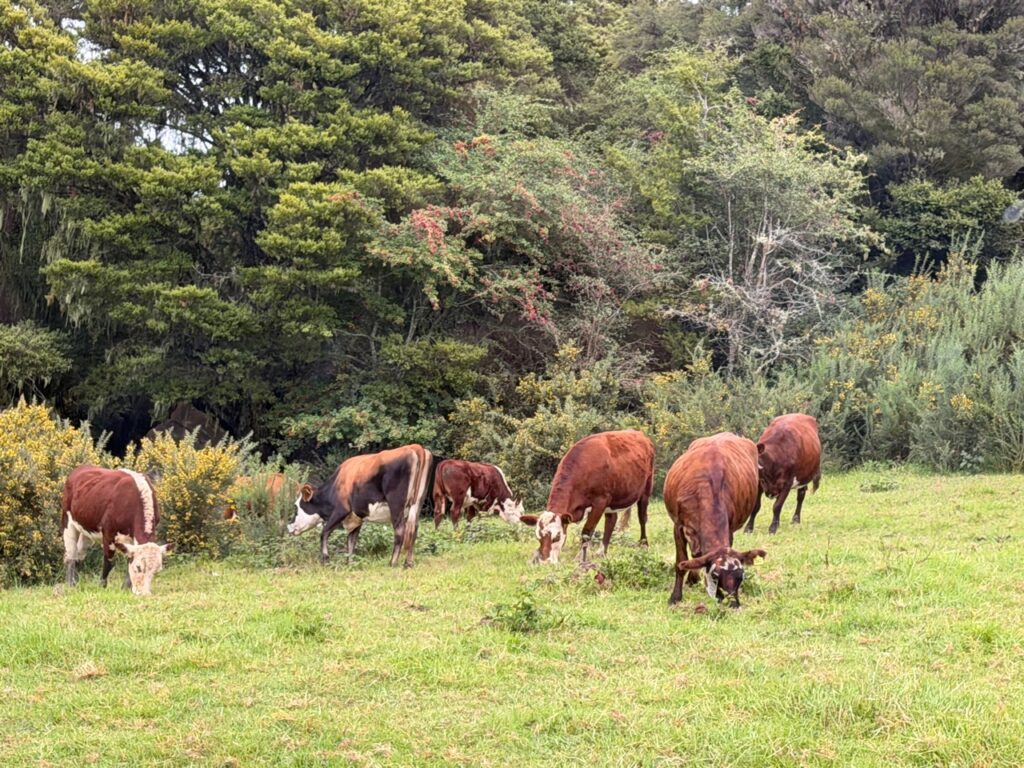
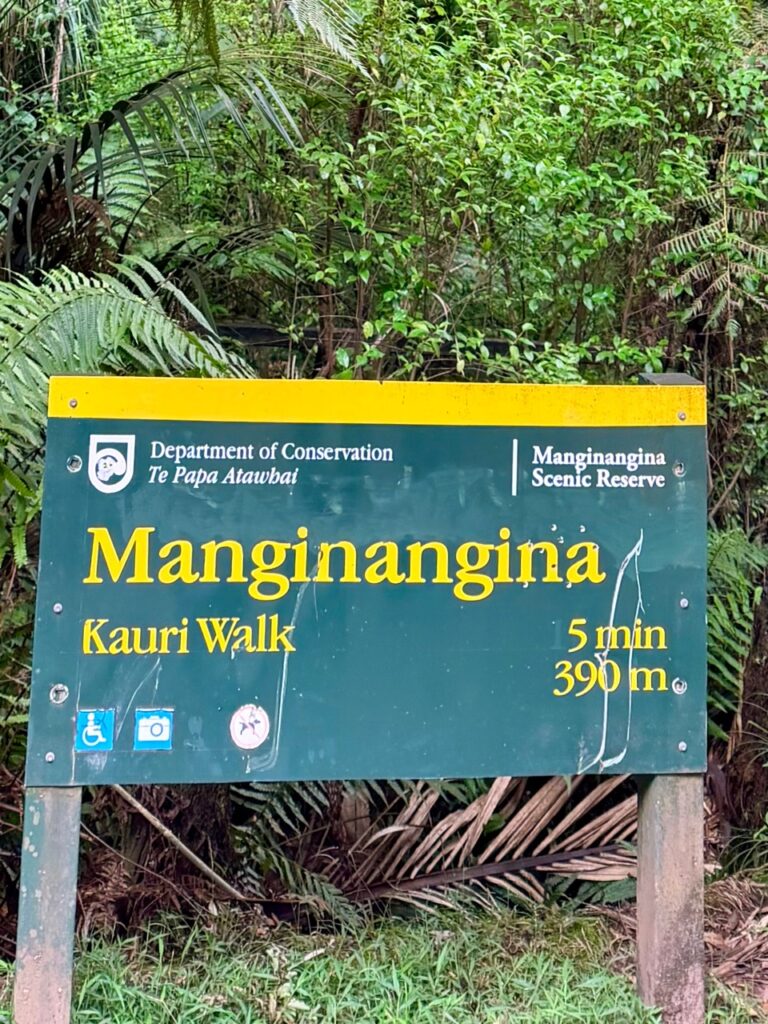
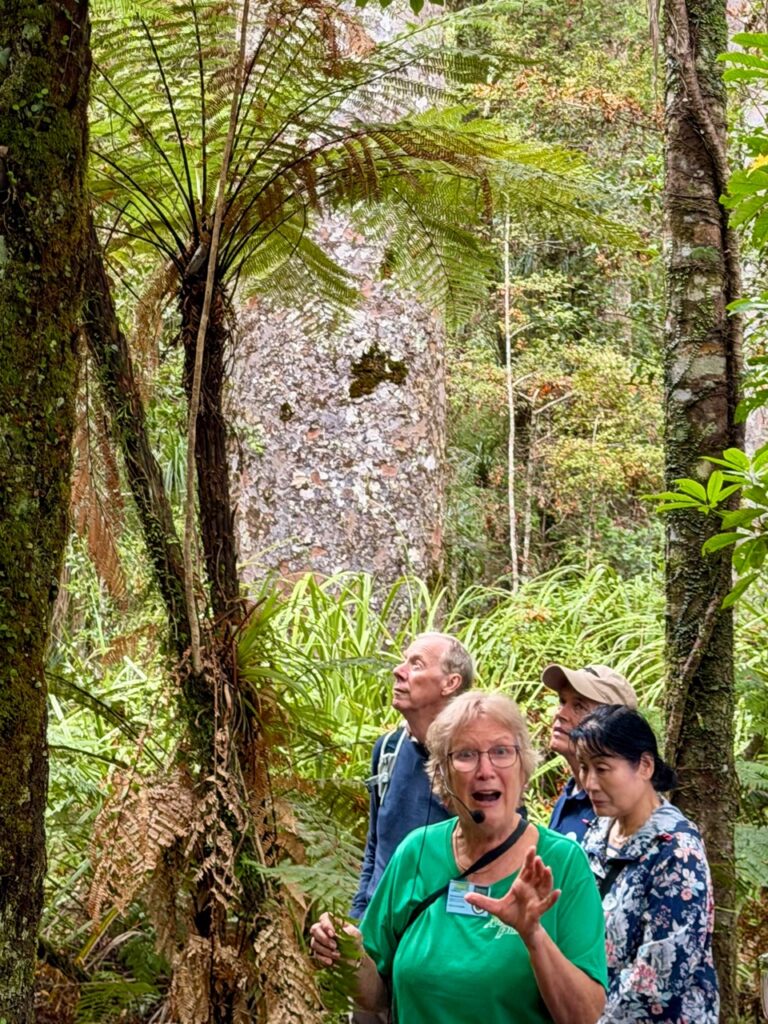
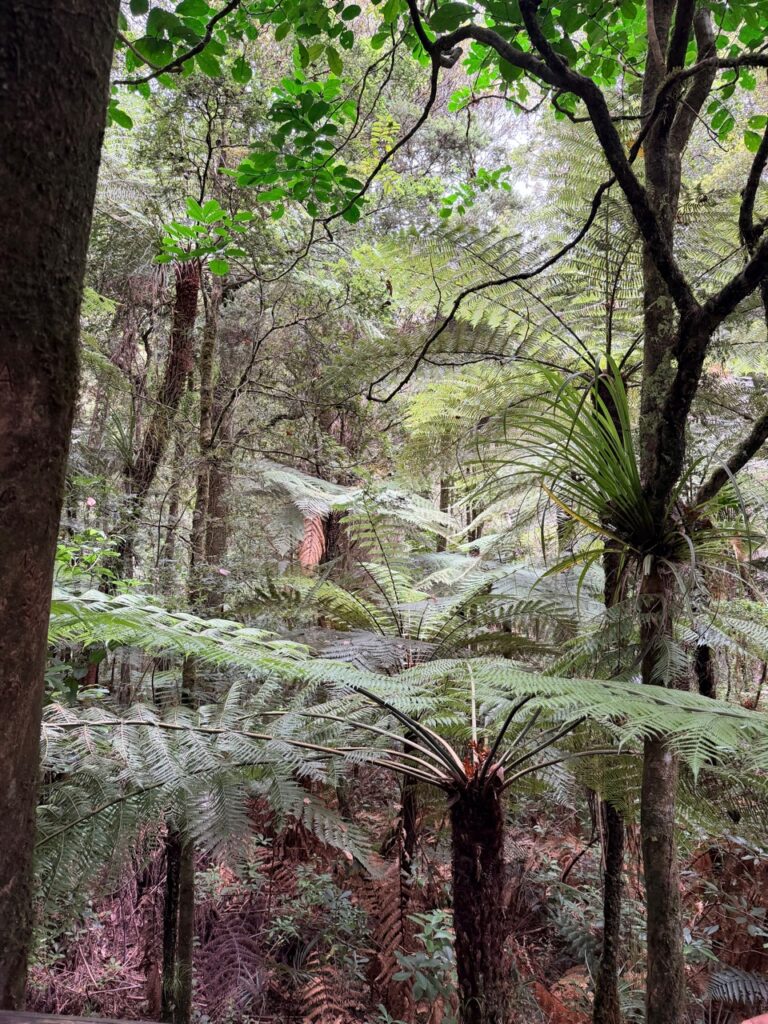
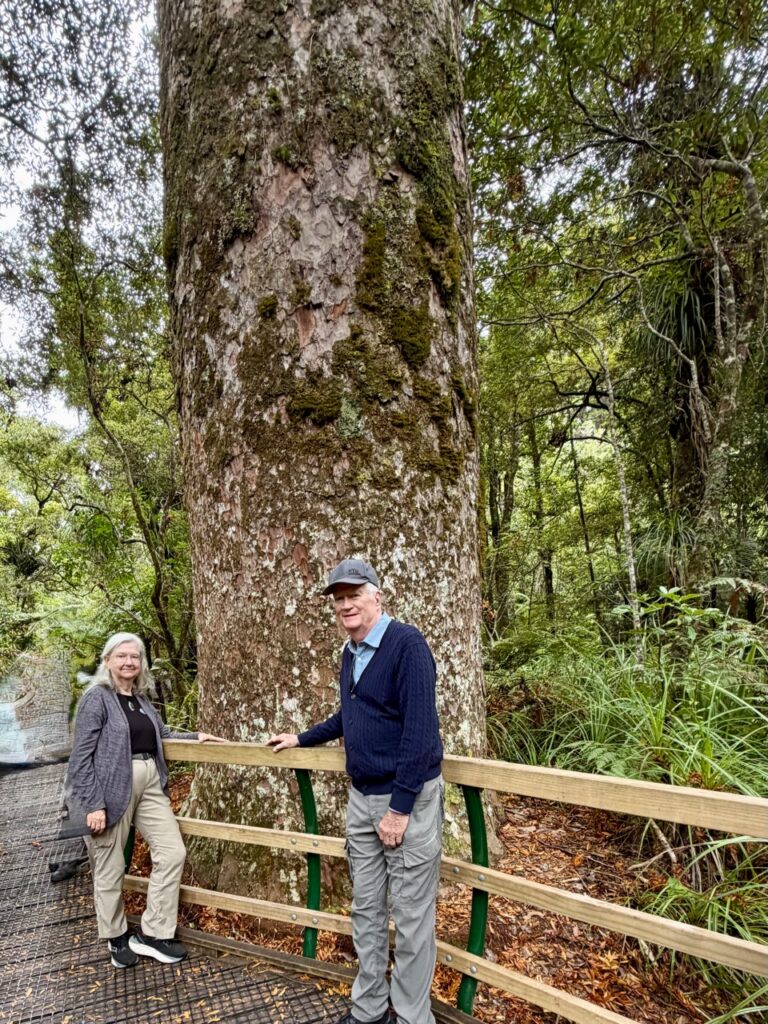
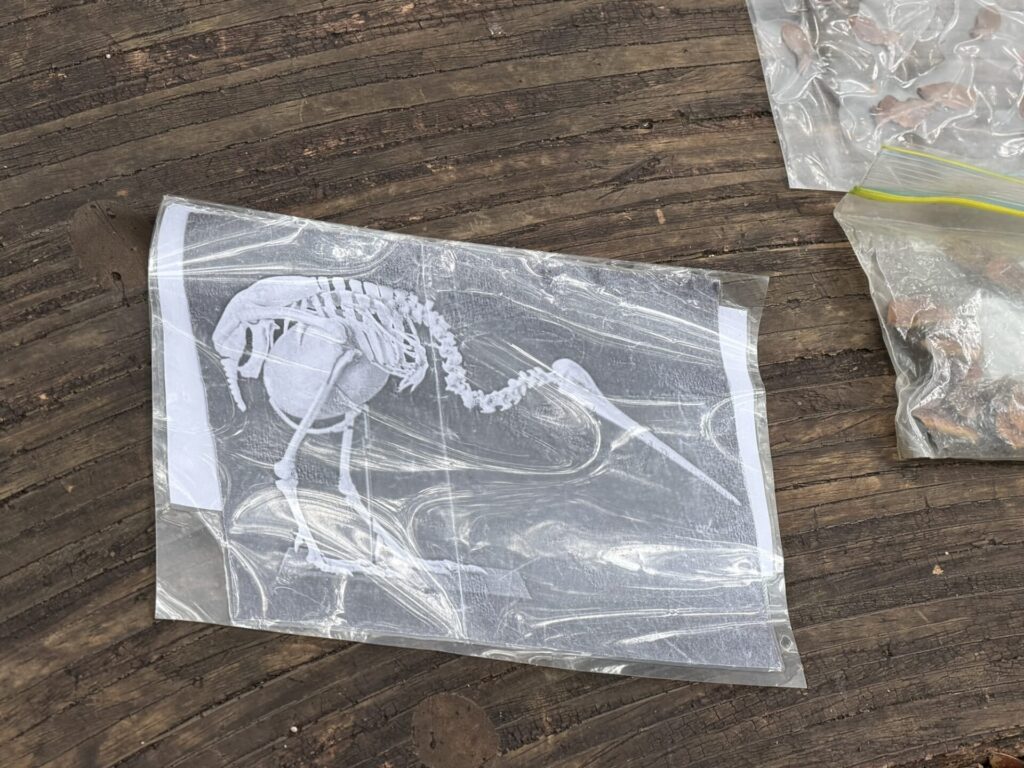
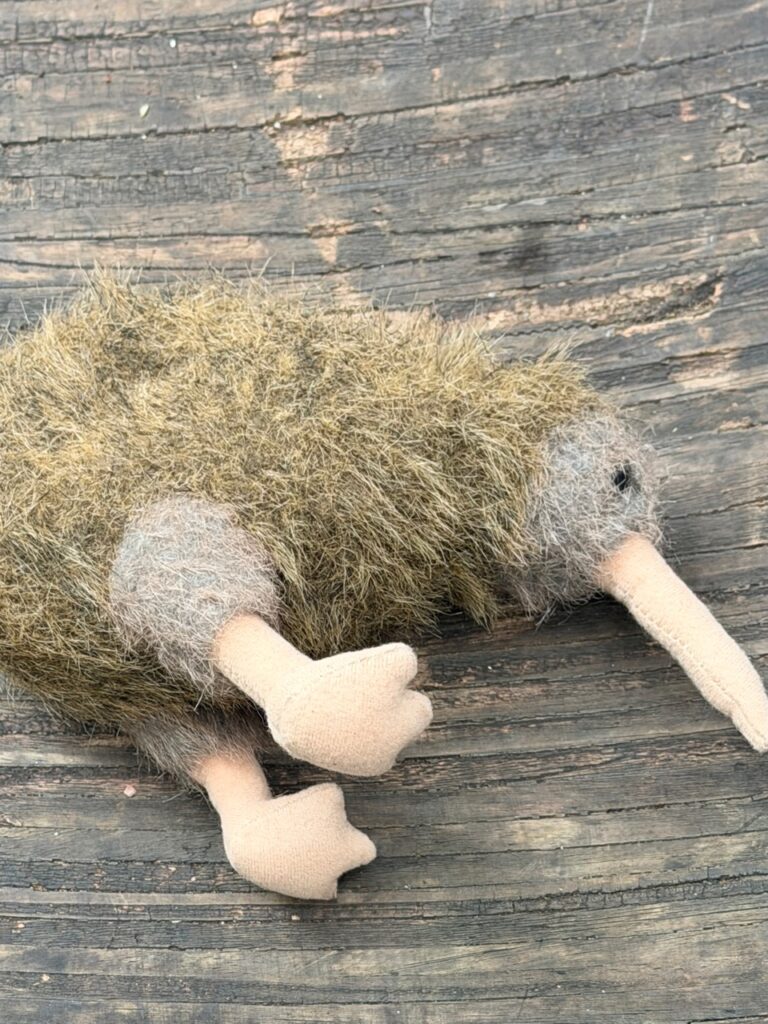
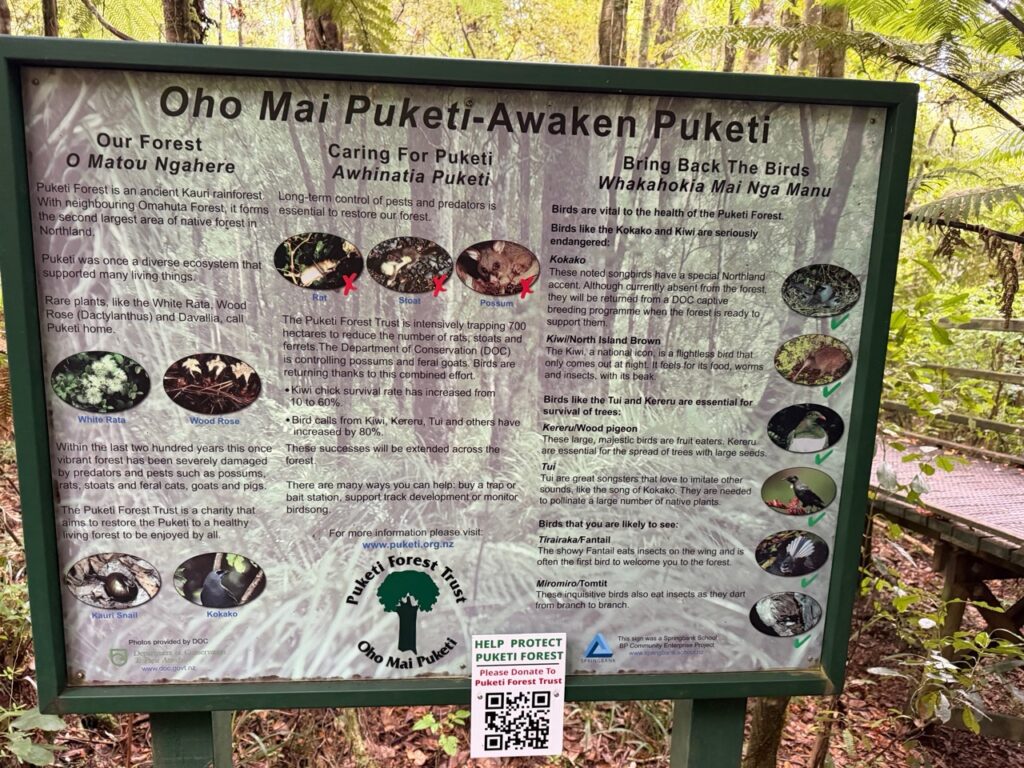
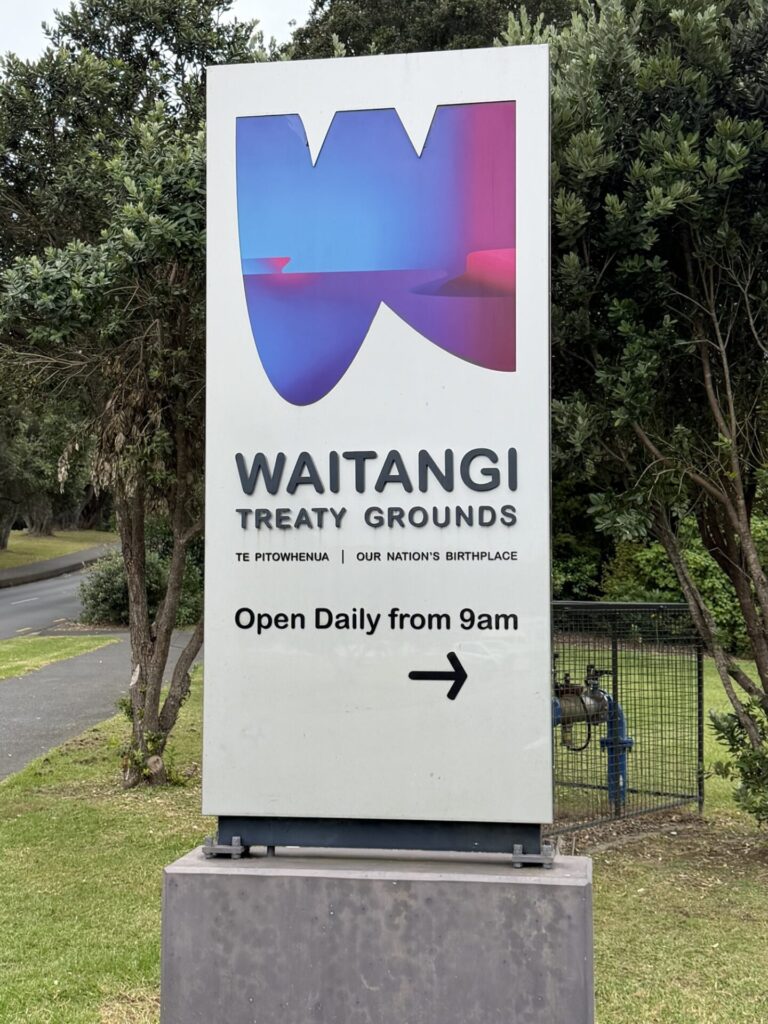
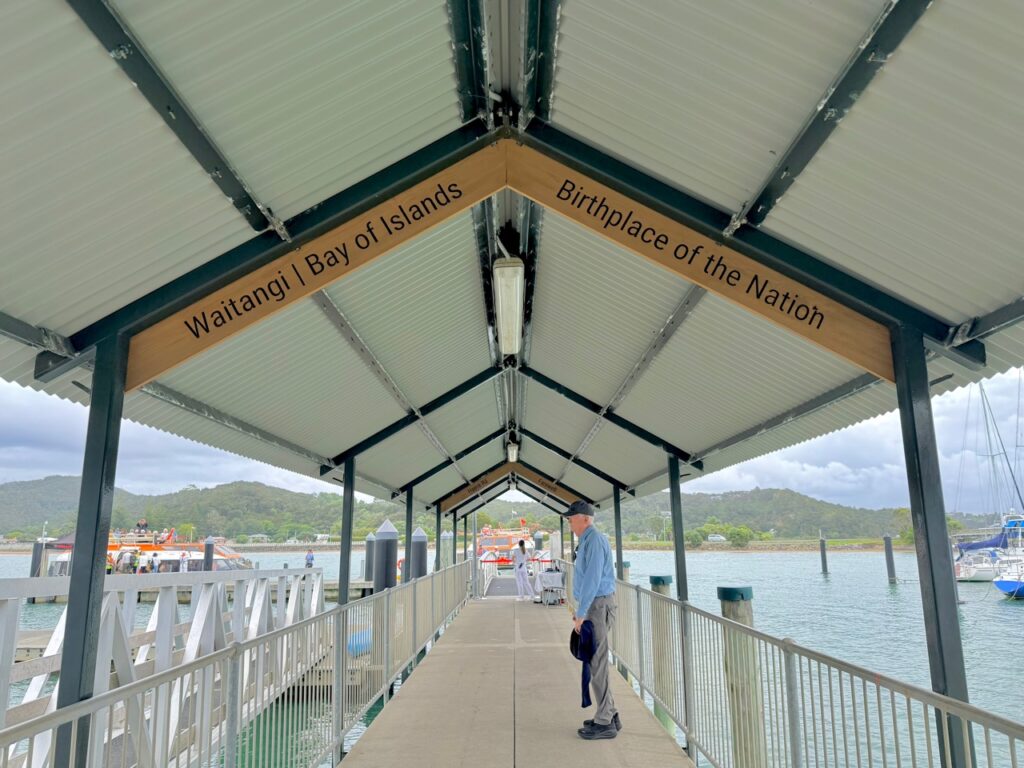
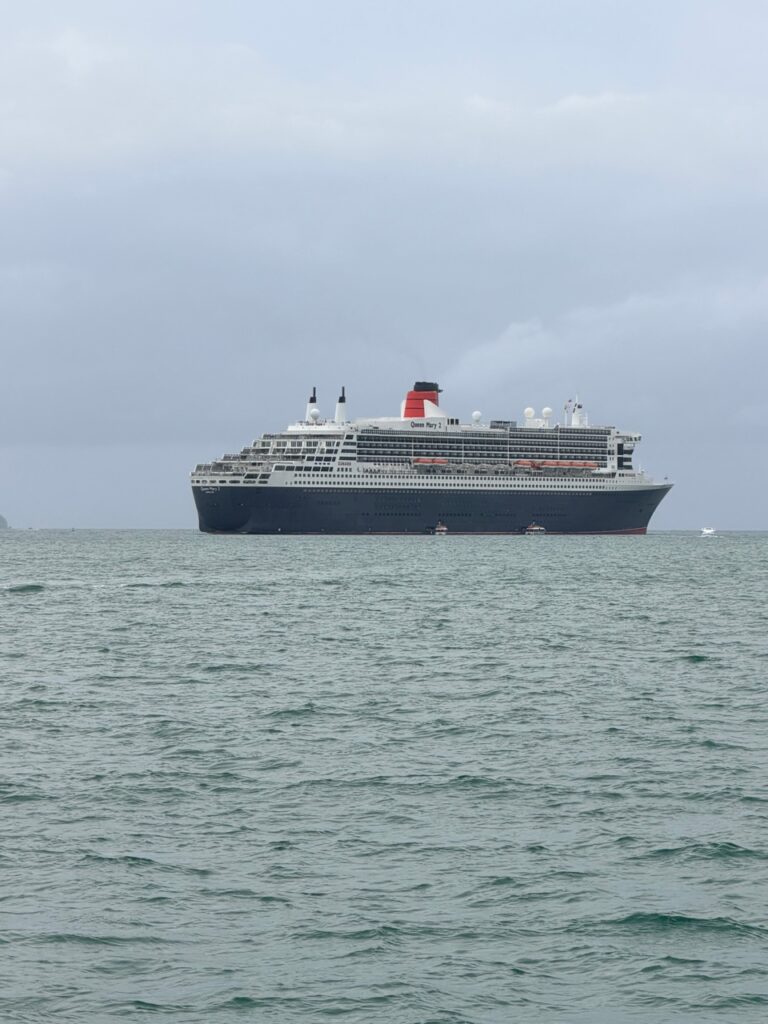
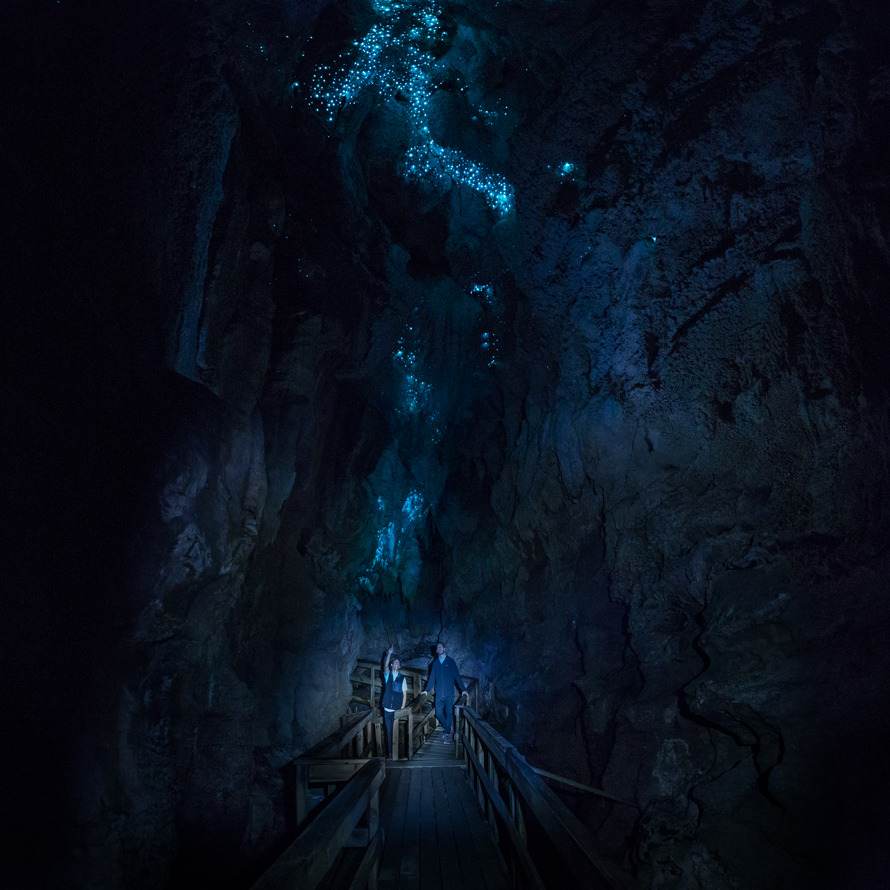
A couple of days ago on our five day passage to New Zealand we passed over the International Date Line meaning that we totally skipped February 24th although we’re making up for it by gaining an hour periodically until we return to our starting place 24 time zones later. On that same day we finally had our Crossing the Line ceremony to mark our own first crossing of the Equator. That’s when King Neptune granted us Pollywogs the esteemed status of Shellbacks once we kissed the salmon. Another evening we had the privilege of witnessing the creation of sand paintings, narrated by Māori storyteller Marcus Winter, The Sandman. Now today we’re finally in New Zealand and Queen Mary 2 is at anchor in the Bay of Islands near the town of Paihia, New Zealand at the northern tip of the North Island. After a tender ride to Waitangi Wharf we were off on today’s excursion to the “Glow Worm Cave and Kauri Forest” tour to learn more about some tiny creatures and some giant trees unique to this small part of the world. As we rode, our guide Geoff provided us with an introduction to New Zealand history. Human habitation here began probably in the 13th Century when Polynesians settled here on Aotearoa, the land of the long white cloud. It was named New Zealand by Dutch explorer Abel Tasman who mapped a portion of the coastline in 1642 but never set foot on land here. European influence here essentially began with the 1840 Treaty of Waitangi between the British and the native Māori, descendants of the Polynesian explorers who settled these lands. Interestingly bats are the only mammals native to New Zealand all others have been introduced by humans beginning with the Māori 800 years ago. There is a wealth of native birds and marine animals however. Our first stop was the Kawiti Family Glow Worm Caves. Before we entered the cave a few members of the group were given battery powered lanterns to light our way since there is no artificial lighting in the cave. We weren’t allowed to take photos but this link will show you a bit of what we experienced inside. Our guide described the fascinating life cycle of the glow worms as we stood in the dark cave under thousands of points of bioluminescent light they call The Milky Way. The experience was truly magical. Next stop was in the coal town of Kawakawa, famous for the rail line running down the middle of town and for its Hundertwasser Toilets, definitely a whimsical delight. At Geoff’s suggestion the two of us made our way to the Bakehouse where we shared a delicious New Zealand Steak & Cheese Pie then wandered the center of town until it was time to board the bus and head to the Manginangina Kauri Walk, a trek through a dense subtropical rainforest with countless native plant species including varieties of tree ferns but the star of the show is the magnificent Kauri, threatened by a fungus-like organism but a keystone species playing a crucial role in the ecosystems of northern New Zealand. By volume the Kauri are the second largest trees on the planet living for up to 3000 years. The trees in this particular protected forest are youngsters mostly around seven centuries old but we saw one specimen estimated to be 900 years old. They are coniferous trees with straight knotless trunks yielding magnificent wood and thus were valuable and over harvested by the European settlers. The forest is also home to a population of kiwi birds, the endangered species that has become the symbol of New Zealand and has given its name not only to the people of NZ but to a fruit once known as Chinese Gooseberry but now cultivated widely in New Zealand and exported worldwide, the Kiwifruit. That’s just part of the 95% of their produce that they export. Beef and lamb also are major exports and the only foods that they do import are a few specialty items that cannot be grown here. On the way back to the wharf we stopped at an overlook for a photo op of the Queen Mary 2 at anchor and learned that the Māori term for ship is waka nui nui or big big canoe. On the way back to the wharf we requested a drop off at the Waitangi Treaty Grounds hoping for an opportunity to learn more about why this area is called the Birthplace of the Nation but what we learned was that we didn’t have enough time to make it worth the cost of admission. Obviously as with everywhere we have yet visited on this trip, to explore this place we’d need much more time than we have but nonetheless we had a great day and we’re looking forward to tomorrow’s adventure.
0 Comments