


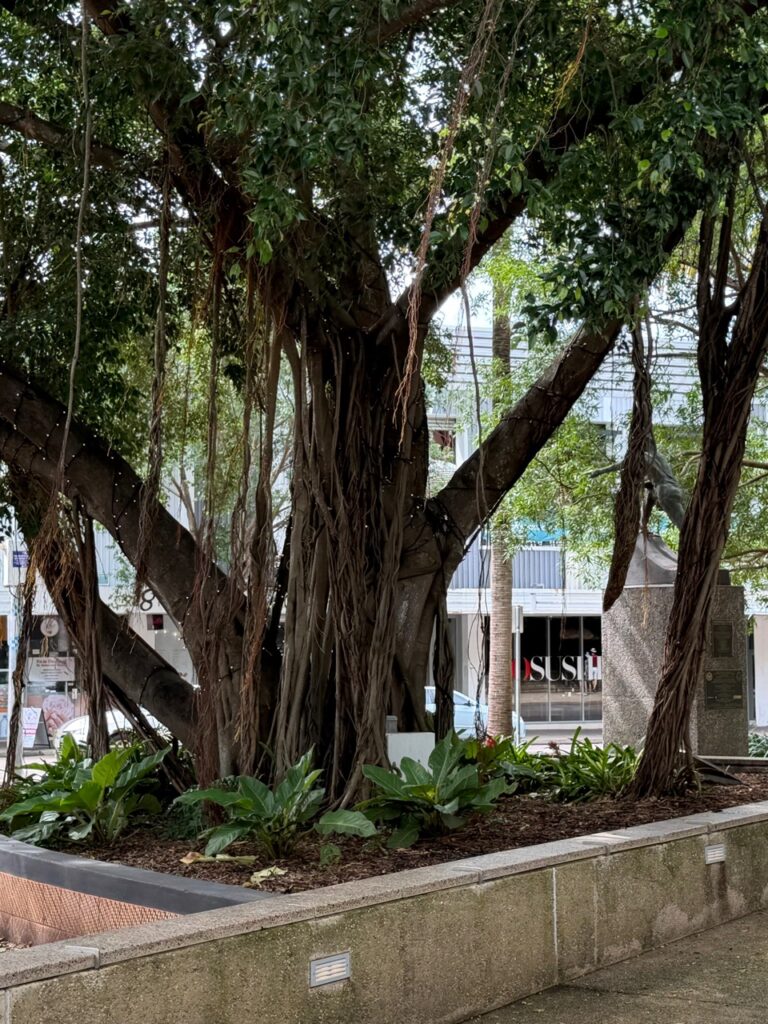
a variety of fig trees
Saturday 14 March 2026
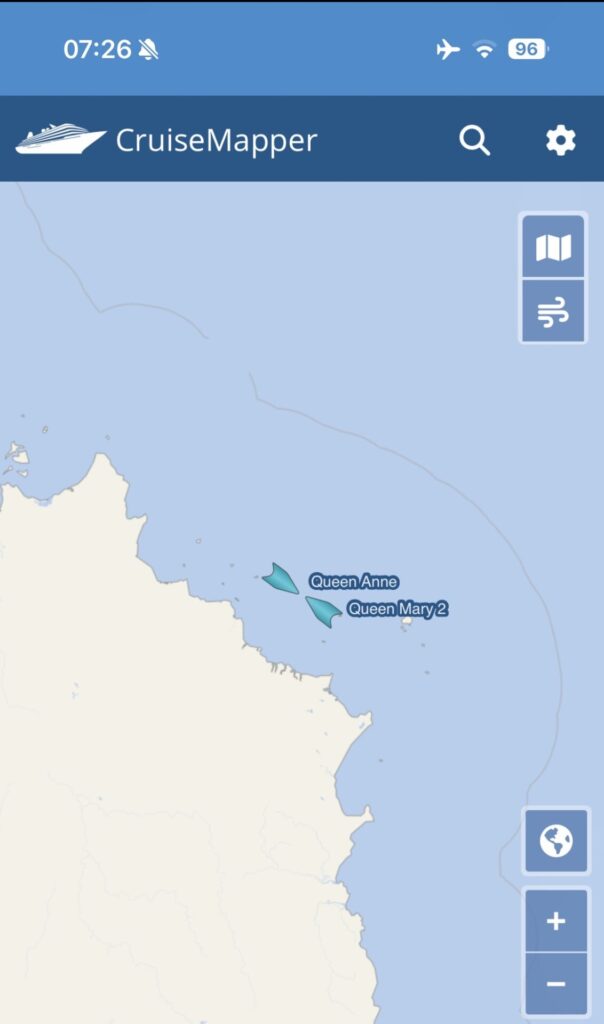
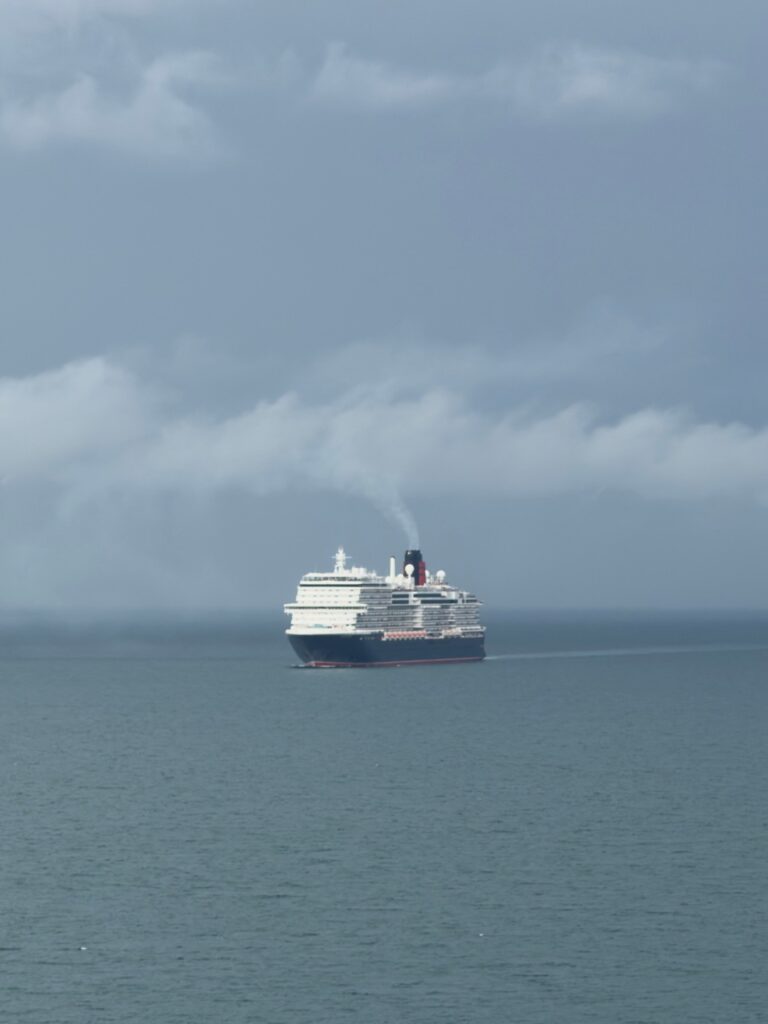
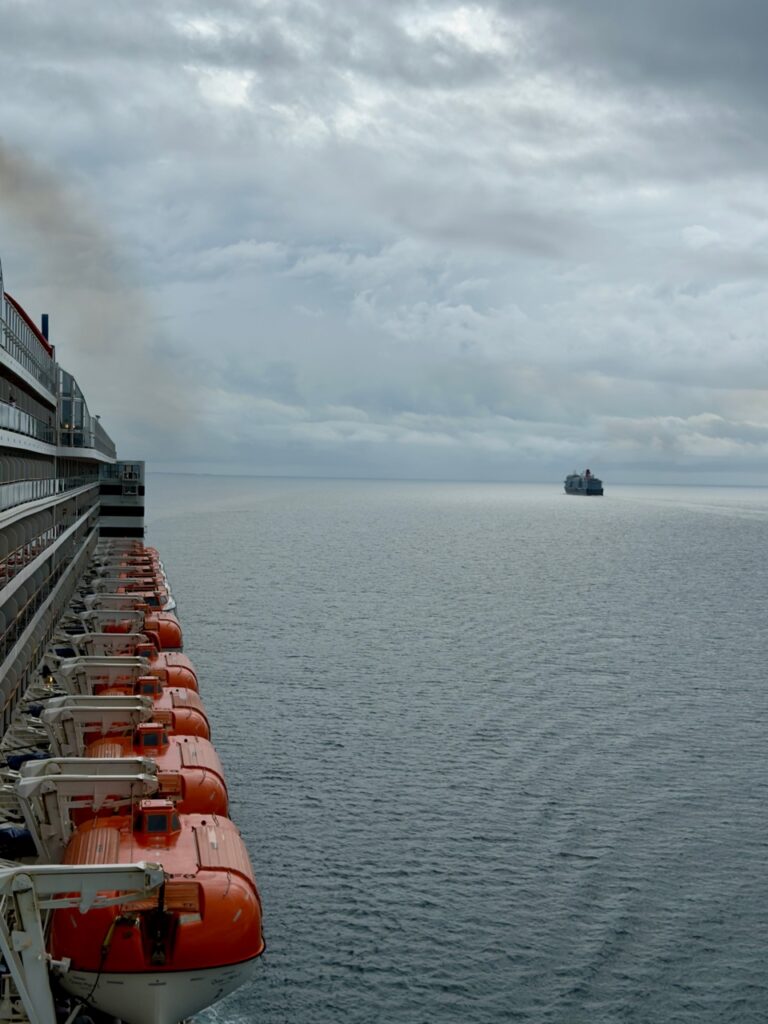
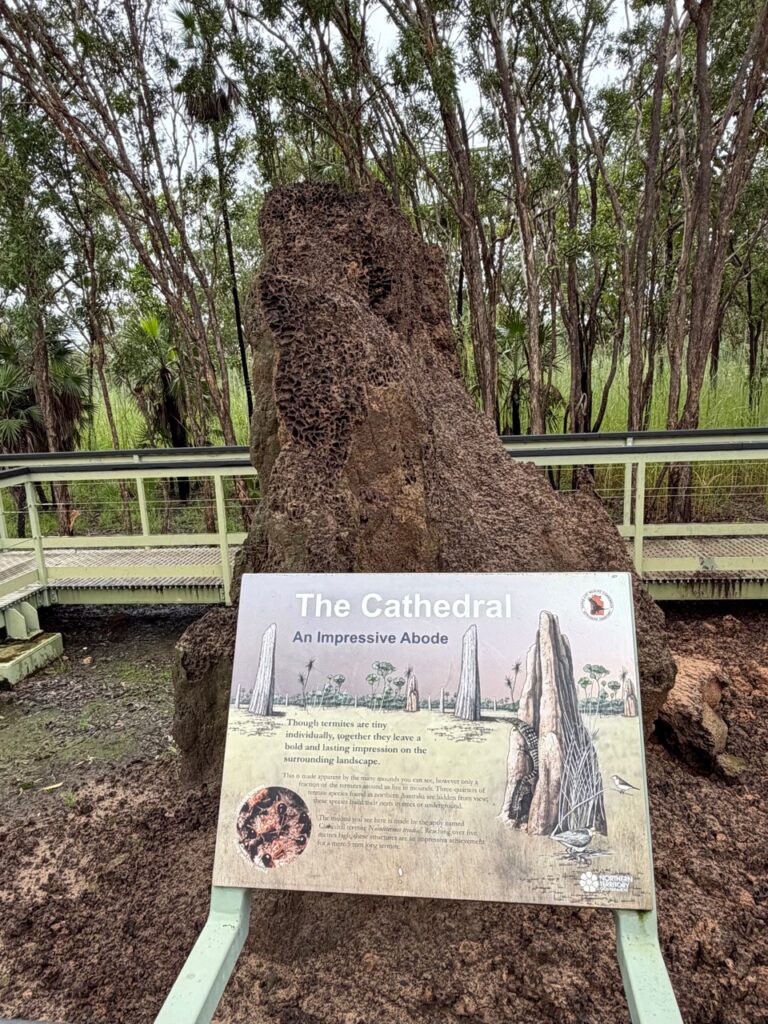
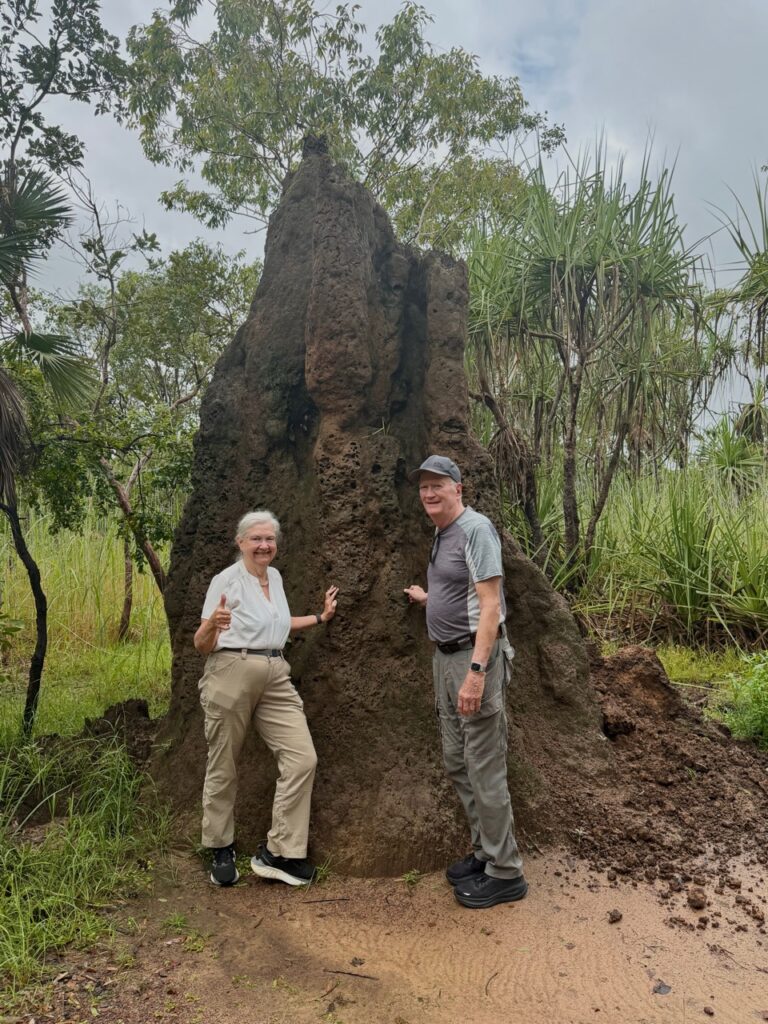
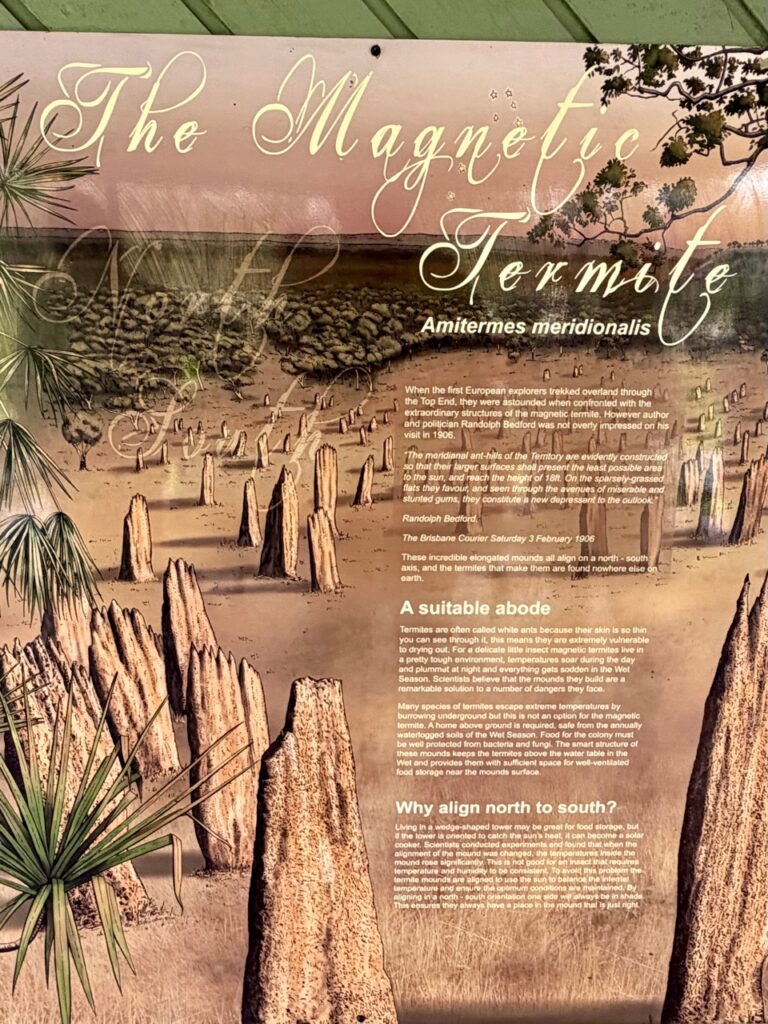
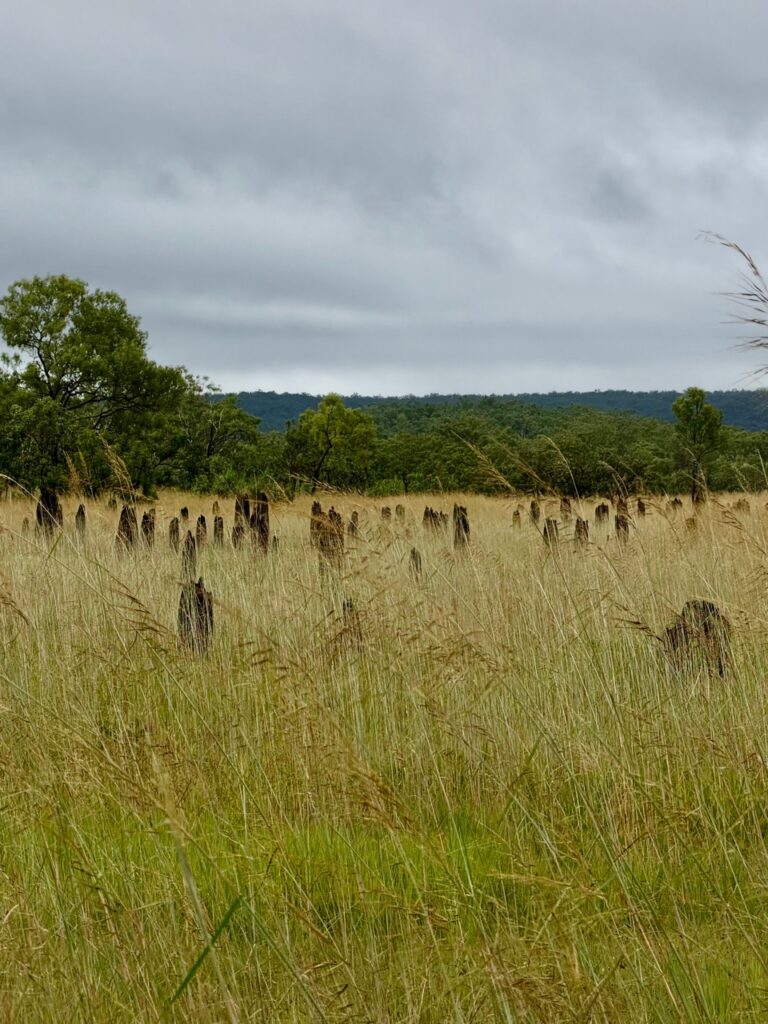
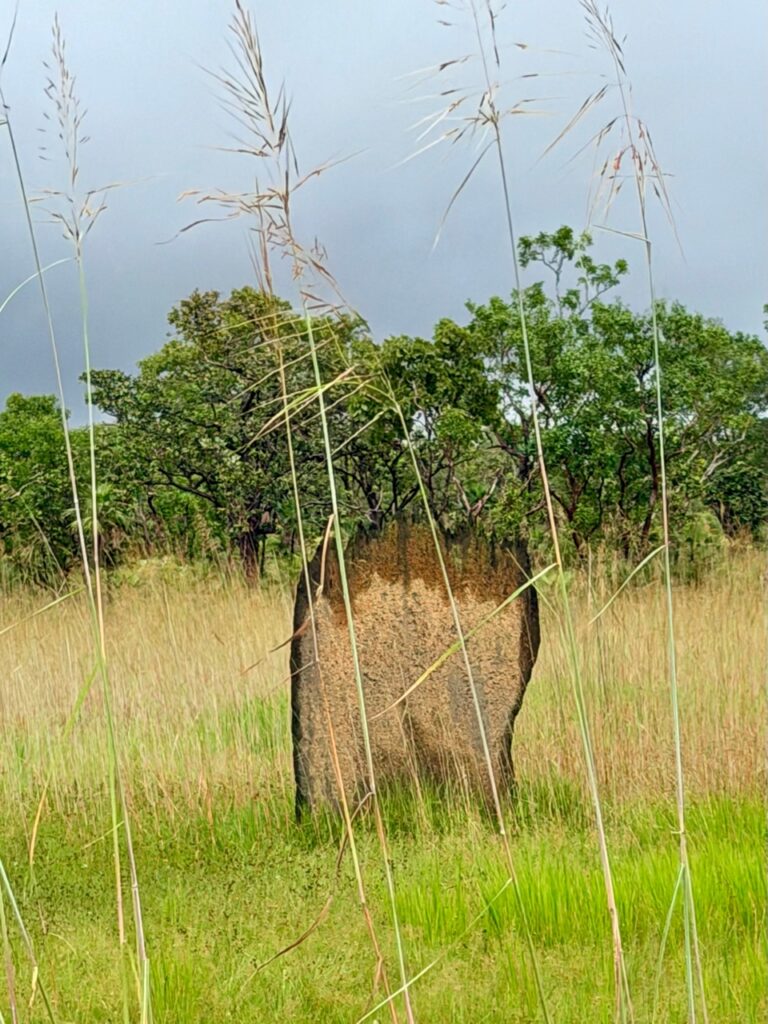
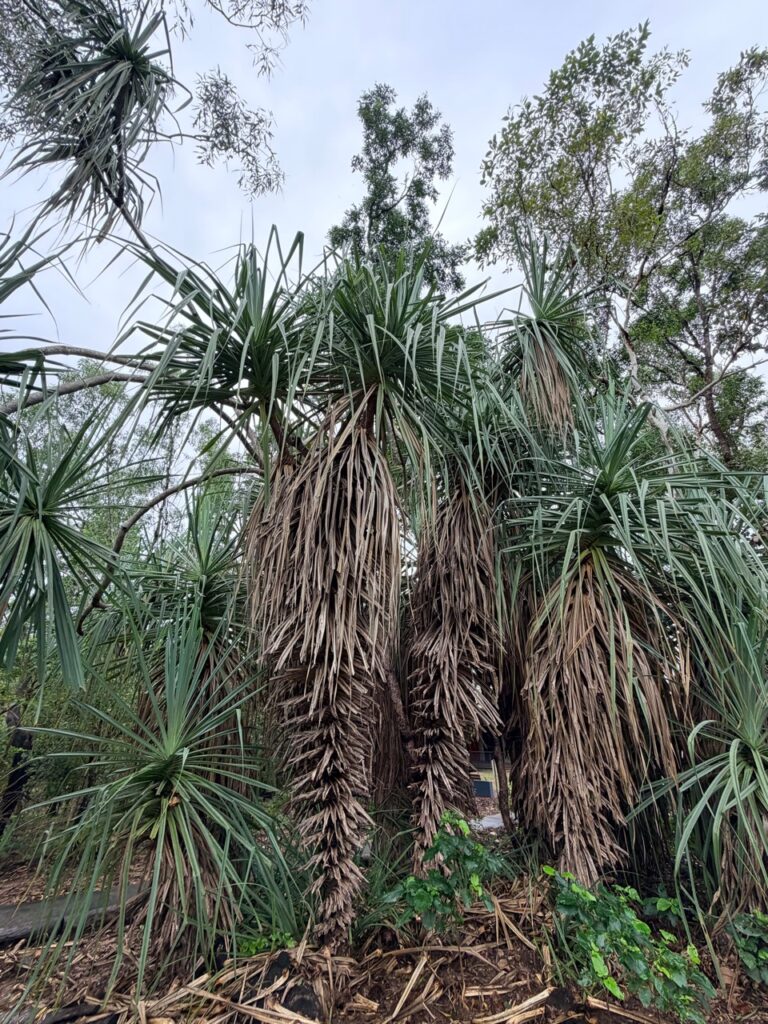
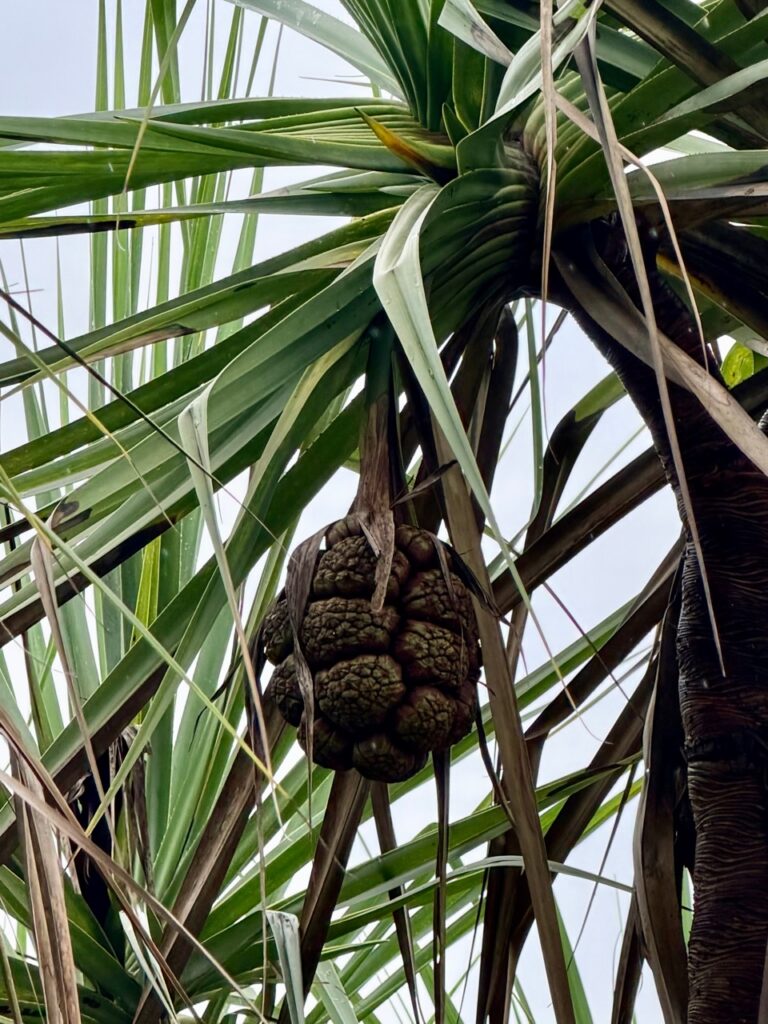
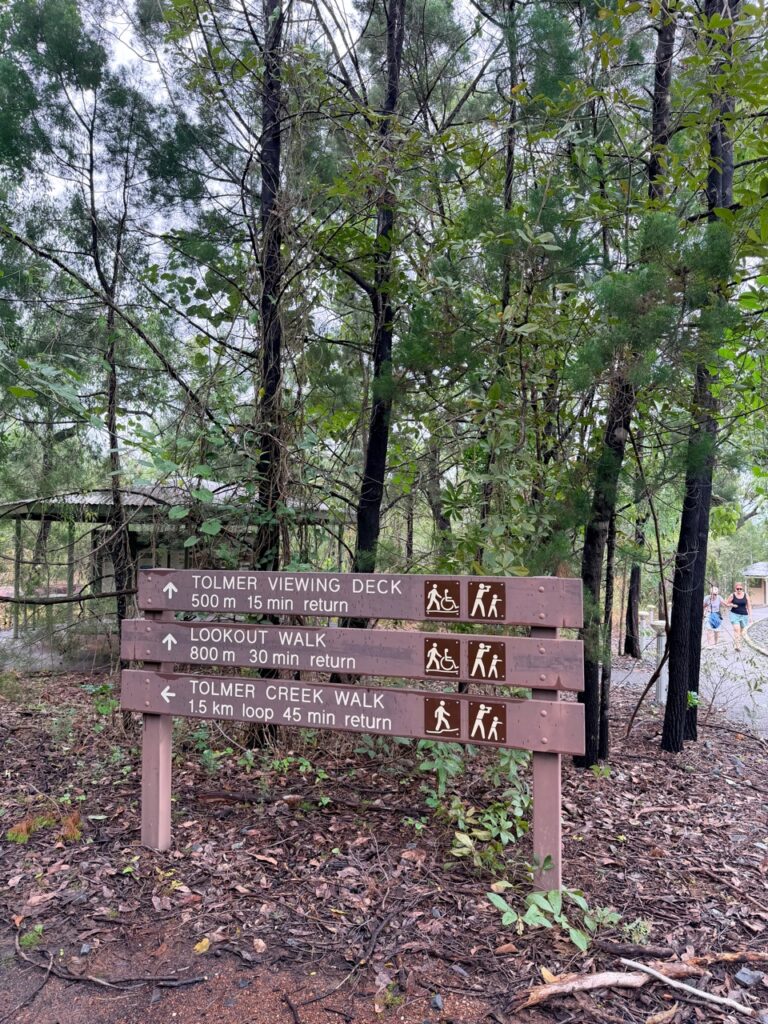
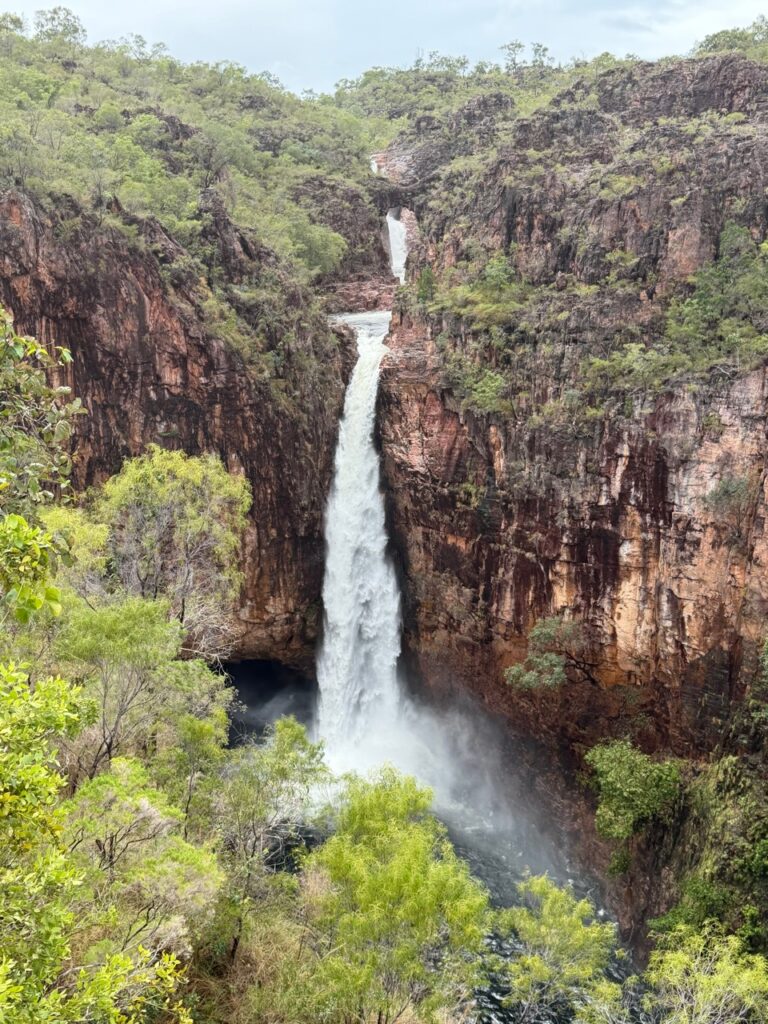
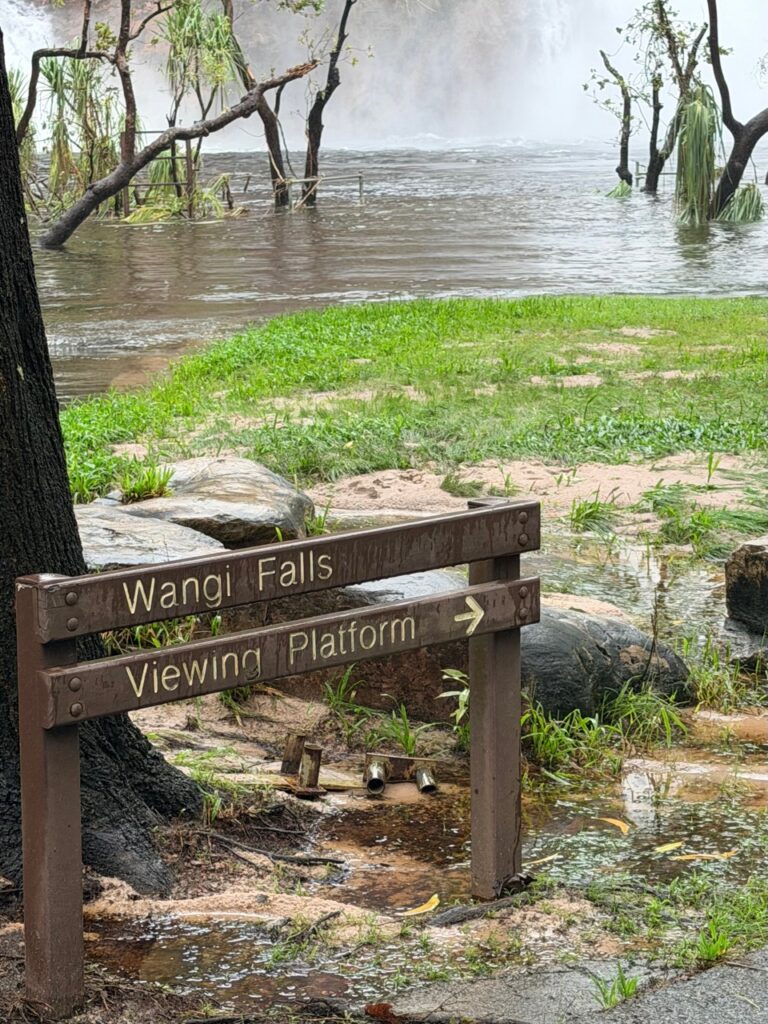
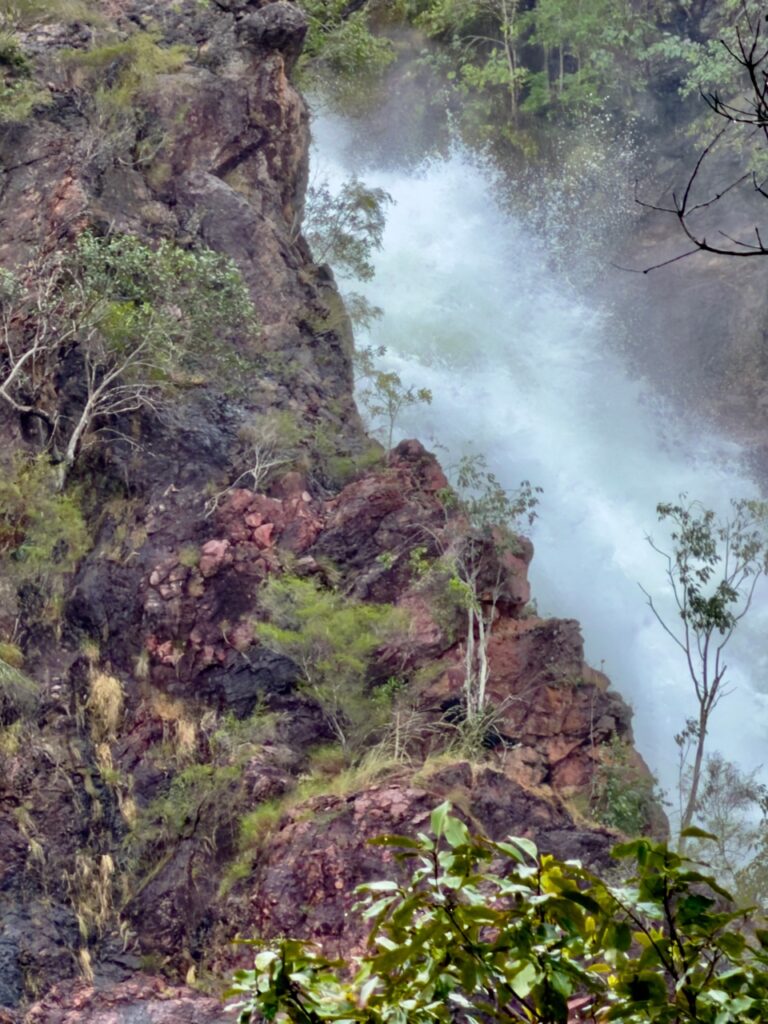
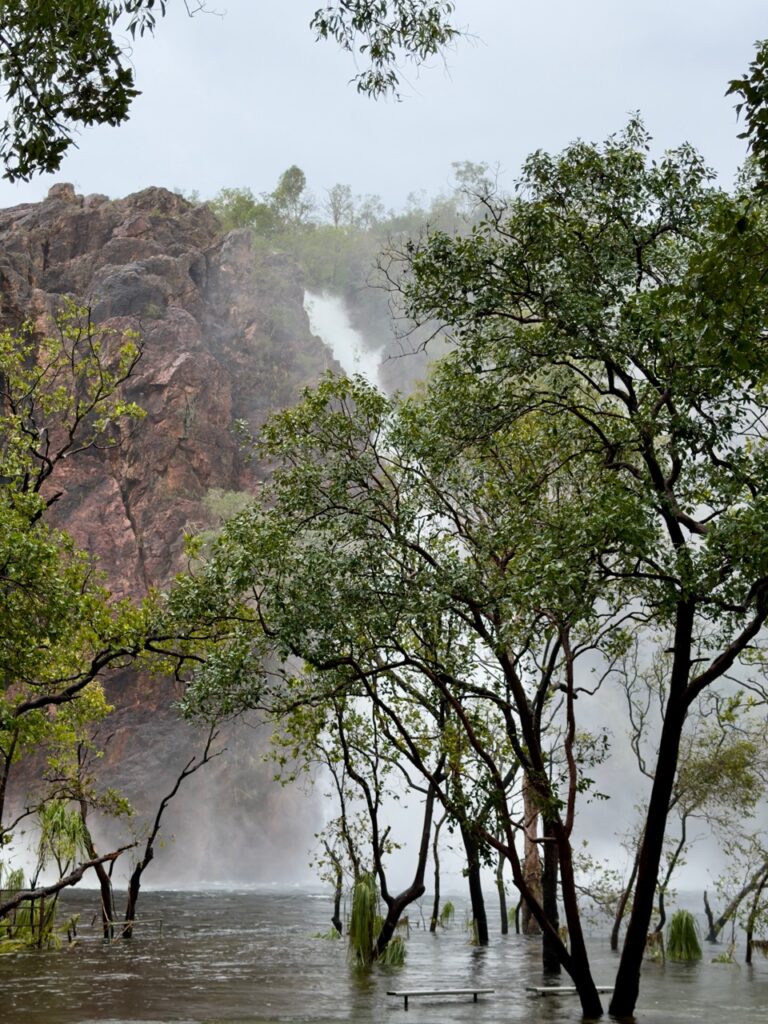
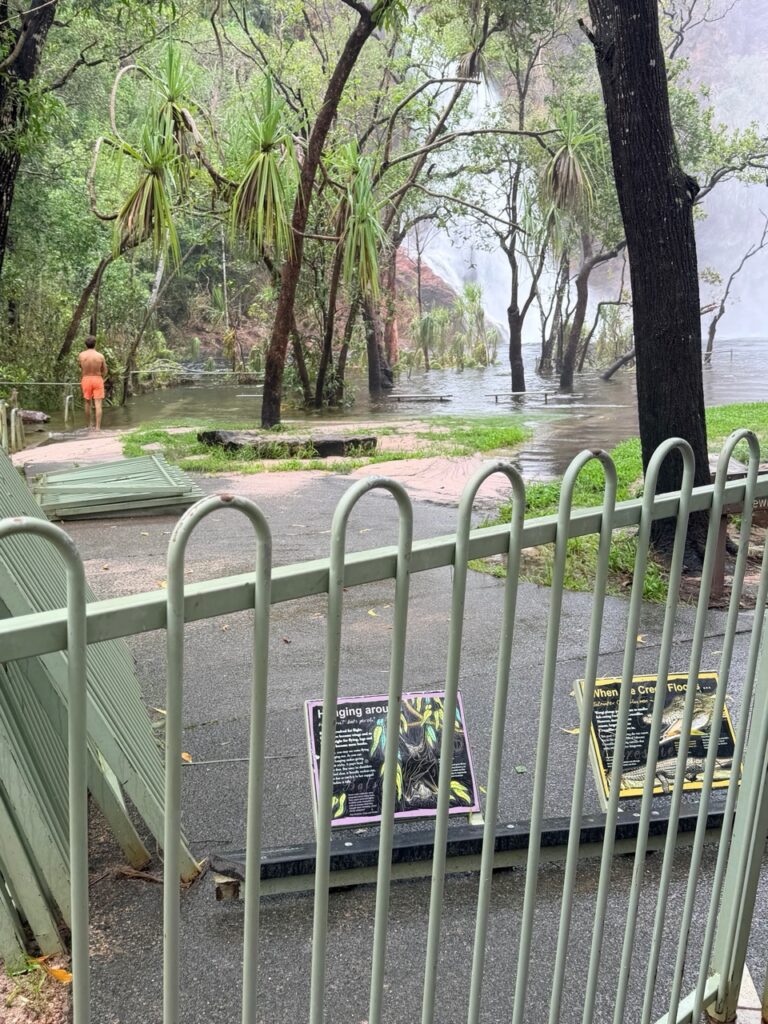
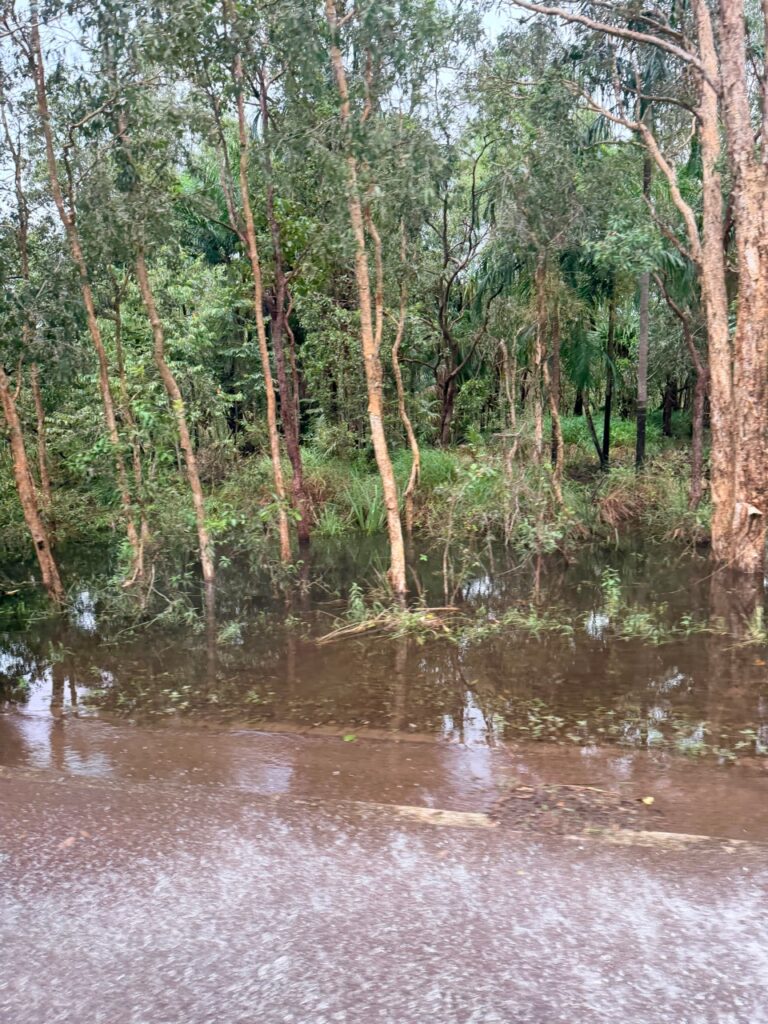
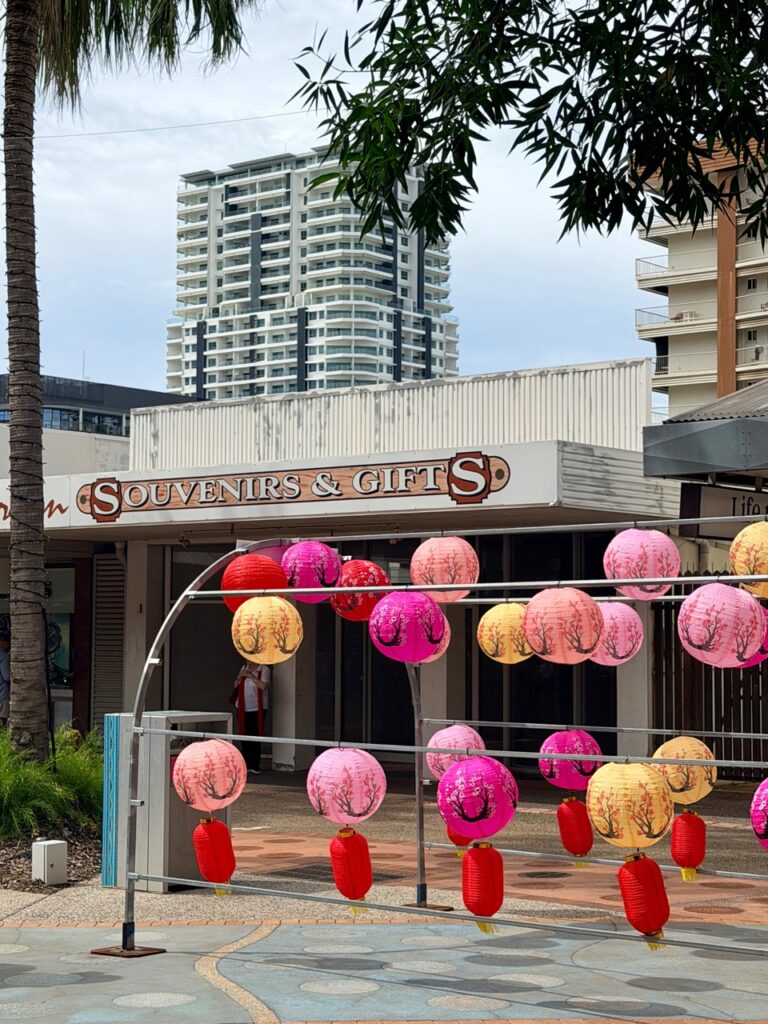
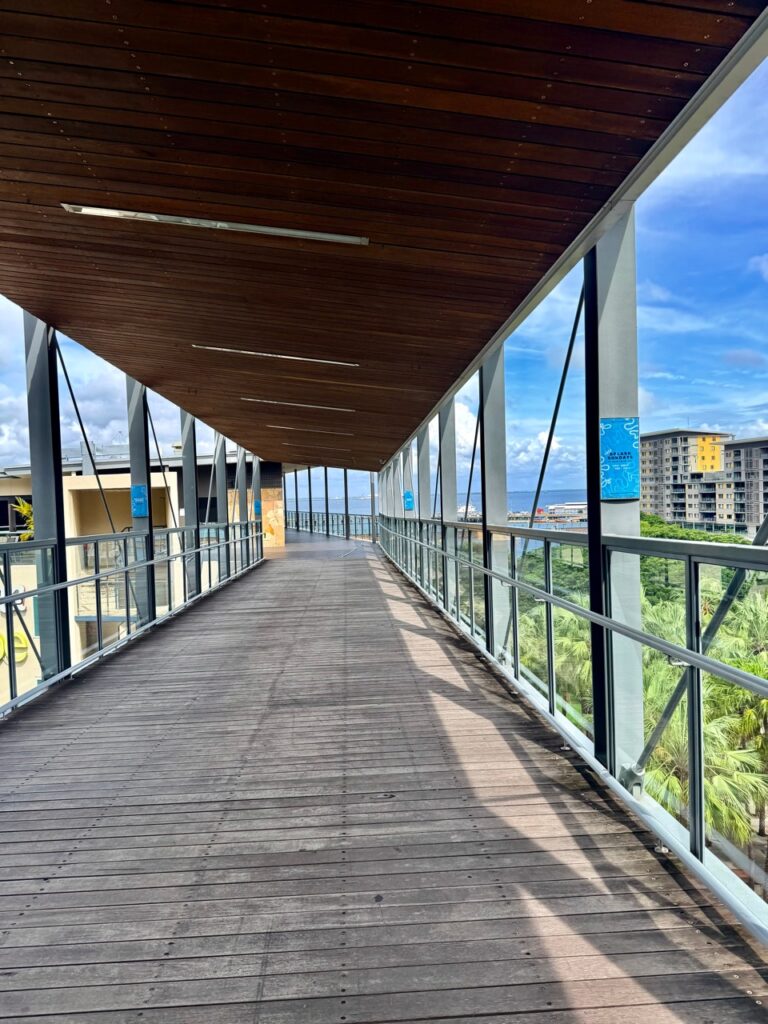
The sea voyage from Cairns to Darwin along Australia’s northern coast took three days with a treat along the way. Early Wednesday morning we joined many of our fellow passengers on deck to greet Cunard’s Queen Anne and hear the captains exchange salutes as the ships passed one another. As we continue our westbound Full World Voyage, she’s proceeding with her own circumnavigation in an eastbound direction, headed to Sydney where she will pick up a contingent of passengers a few of whom traveled with us for a half world voyage and will return home on the Queen Anne to a US or UK port. It was fun waiting to spot her on the horizon and to follow her visually until she disappeared in the opposite direction. Then this morning we arrived in Darwin on Australia’s north coast and it was time to head off the ship again in search of adventure. Up early and off the ship we met our guide Steve Dobbie for an eight hour “Northern Territory & Litchfield Park Drive” tour. As we headed south we traveled the Stuart Highway which could take us all the way to Adelaide by way of Alice Springs. However we’re venturing not far from Darwin into the interior today. Along the way our guide Dobbie regaled us with story after story about the history, geology, and the natural resources of the Northern Territory. Darwin itself has been destroyed by four cyclones and during World War II and requires rebuilding every fifty years or so. Most recently it was devastated by Cyclone Tracy on Christmas Day 1974. It occupies a very strategic location militarily and there is a significant US presence for jungle and desert military training. He describes the Northern Territory as Australia’s last frontier and notes that the area is widely regarded as being populated with resilient and independent individuals. As we neared Litchfield National Park, noted for its waterfalls, swimming holes, and towering termite mounds, he had us watching the countryside trying to spot Magnetic Mounds along the side of the highway. Soon we were inside the park and standing in front of an impressive Cathedral Termite Mound and although this one was perhaps 4 meters high, some mounds reach as high as 7 meters tall! As we walked the boardwalk and marveled at the straight lines of magnetic mounds perfectly oriented on a north-south line, Dobbie also pointed out some of the plants in the area. One fascinating one is the pandanus tree, notable for it spiral growth pattern which conserves water and for its many uses as food, source of fiber, and medicines. Next we headed to Tolmer Falls to watch a swollen Tolmer Creek spill over the edge of the escarpment. Since our visit coincides with the wet season, we were treated to a beautiful site. Following that we paused for a most delicious Aussie lunch at Litchfield Safari Park before heading to Wangi Falls, one of the most popular swimming holes in the park. However with the recent heavy rains, the picnic area and the walk to the swimming area were closed due to flooding. Oh, and the crocodiles that move in during the wet season were another good reason to stay out of the water. That said, the tremendous amount of water made for a beautiful view of the falls. From there we began our return trip fitting in a bit of a tour of Darwin before returning to the ship. Actually the two of us were among the few to hop off the bus and check out the Smith Street Mall before walking back over the Skywalk to the port and home to the Queen Mary 2. All in all it was a great first foray into the Australian outback. We learned so very much about the land, its plants and animals, and its people. Our time here in Australia, although brief has been incredibly enriching. And yes, we hope for an opportunity to return and explore and learn more!
0 Comments