

Tuesday 17 March 2026
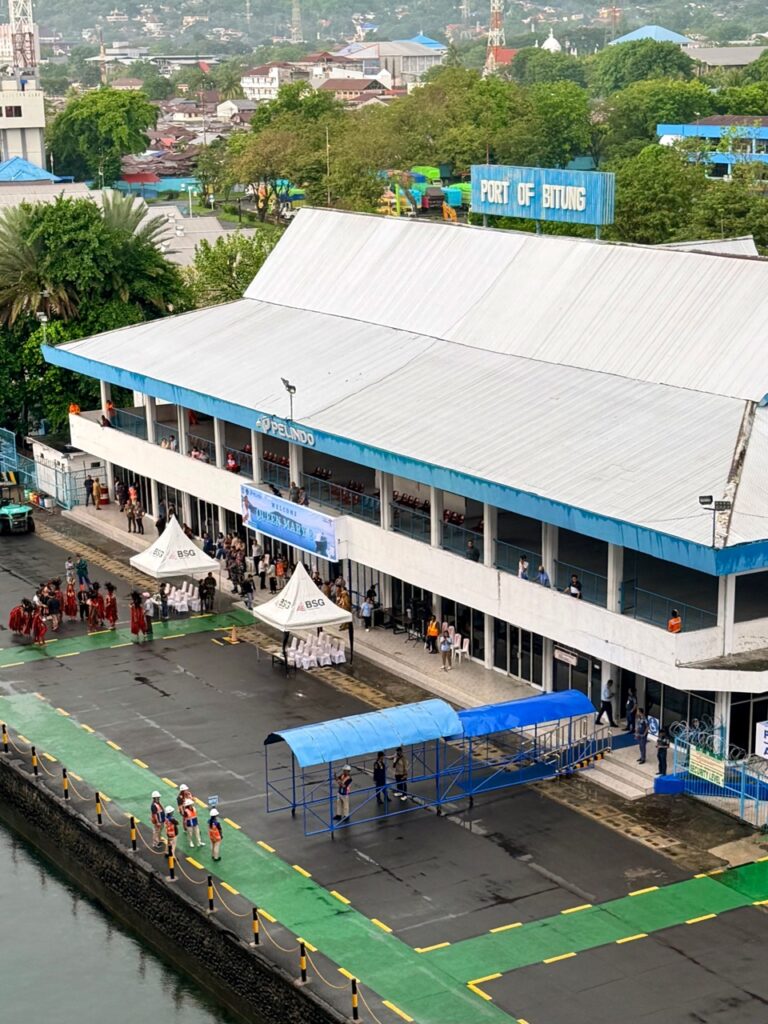
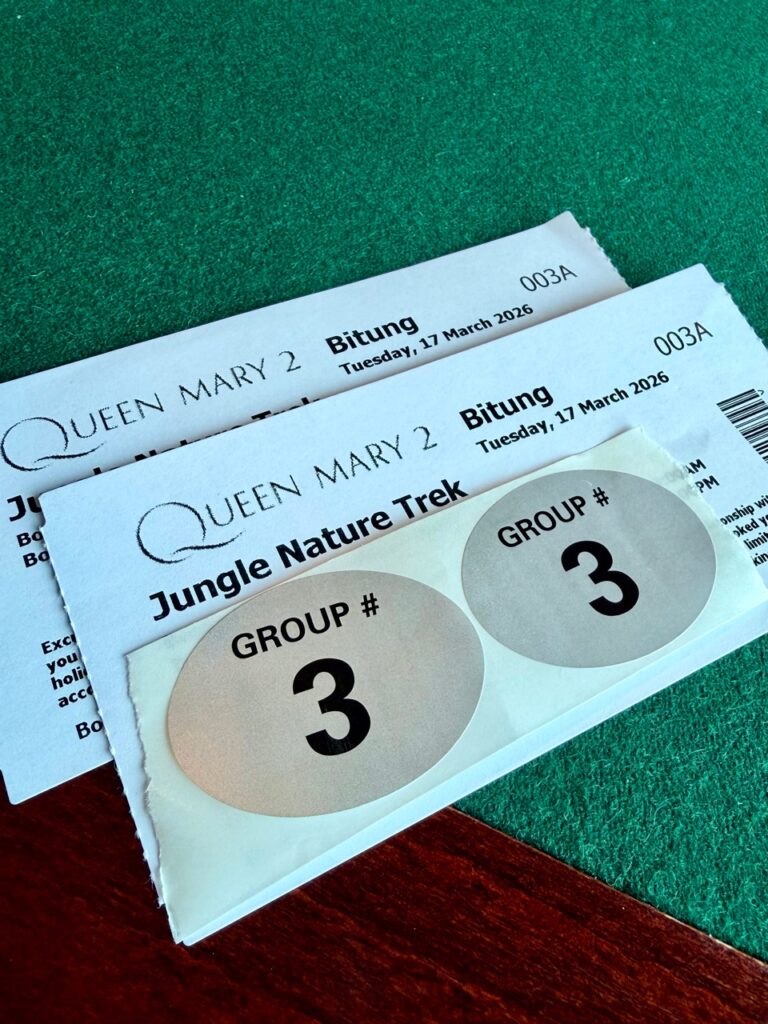
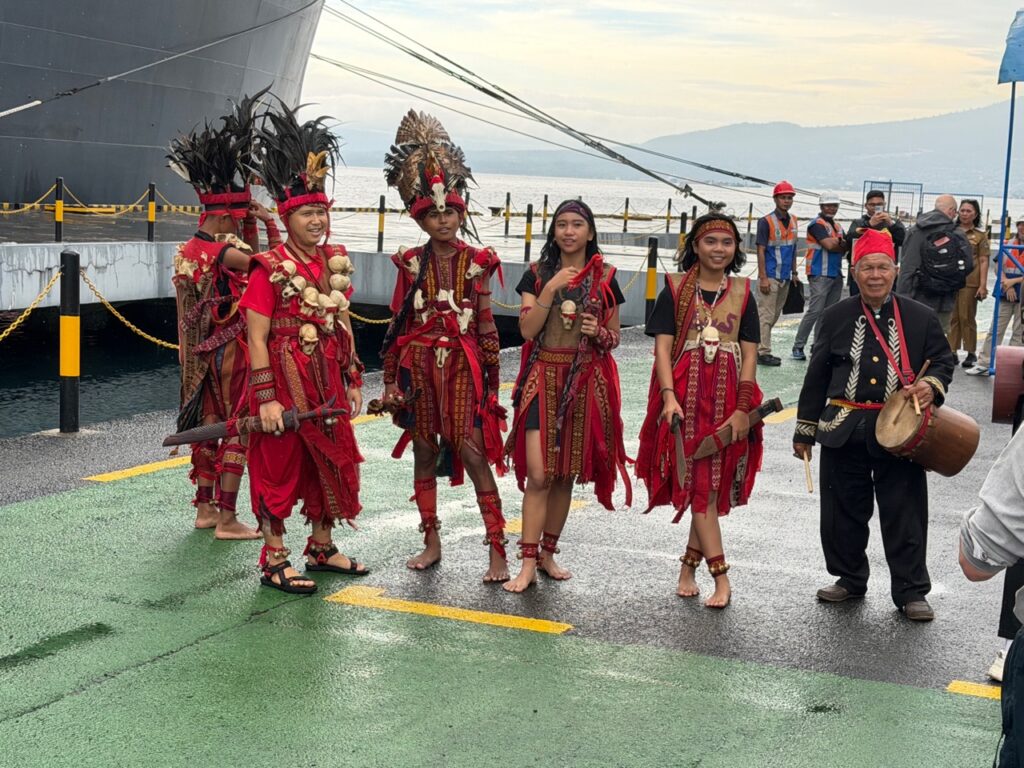
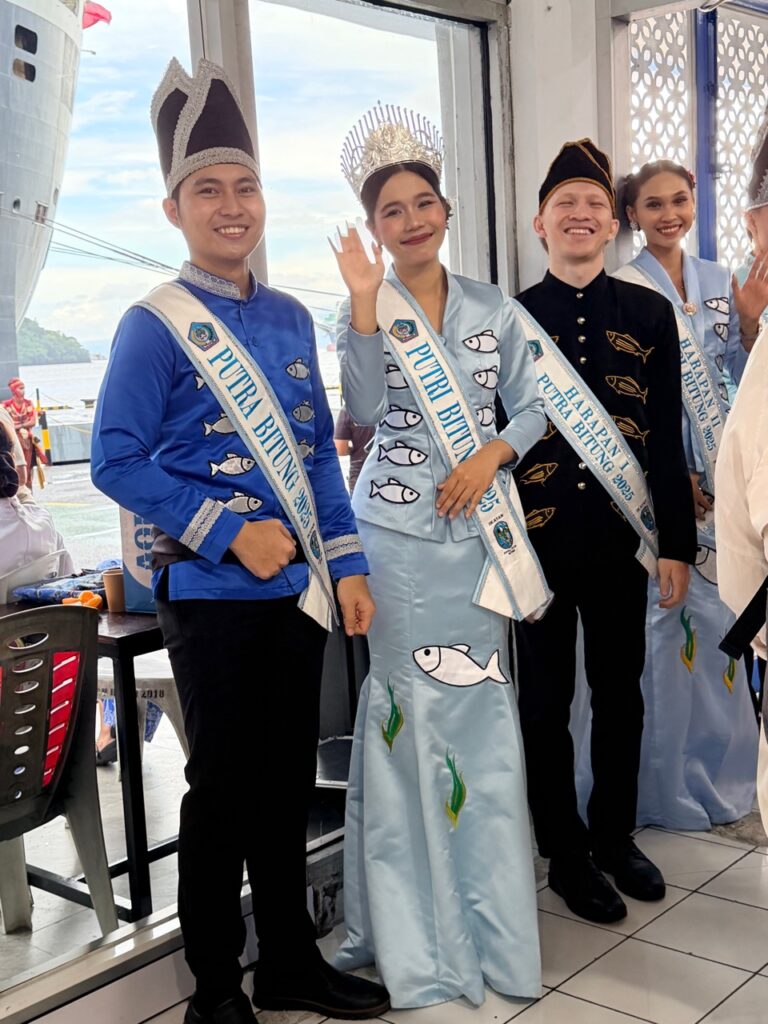
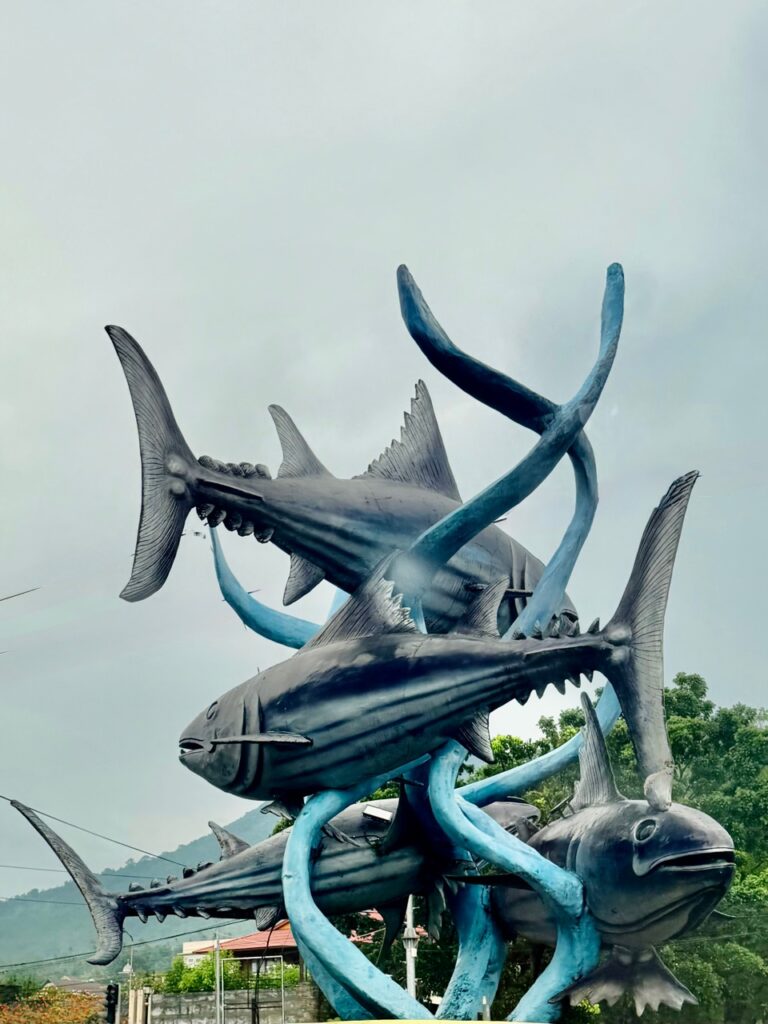
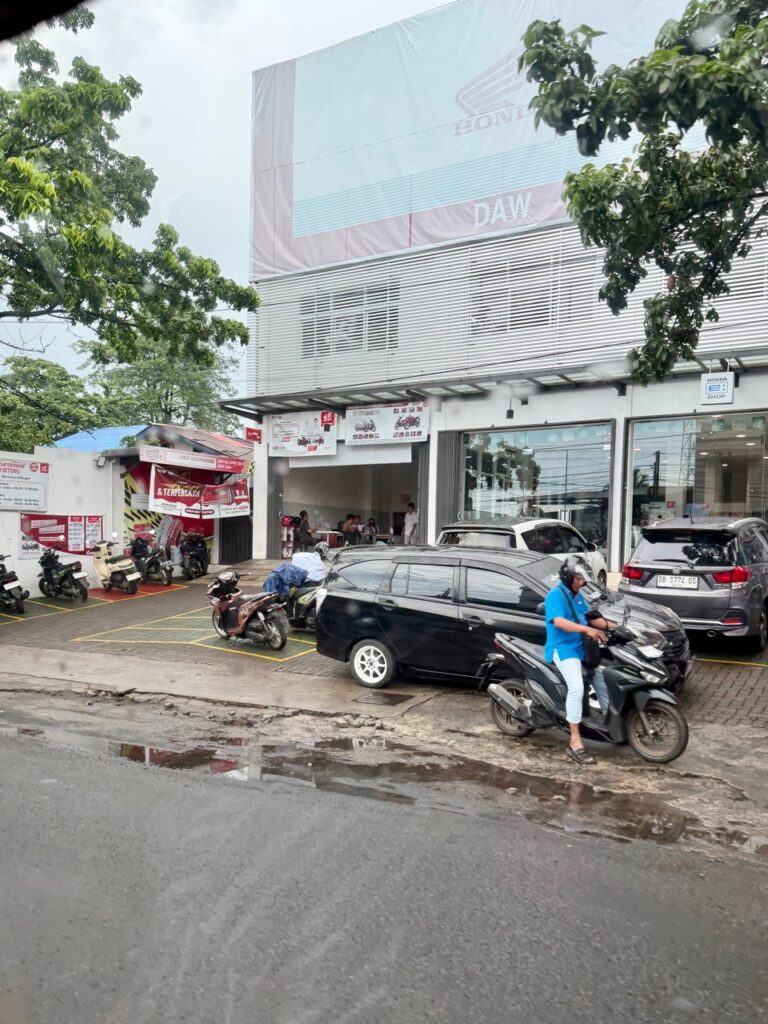
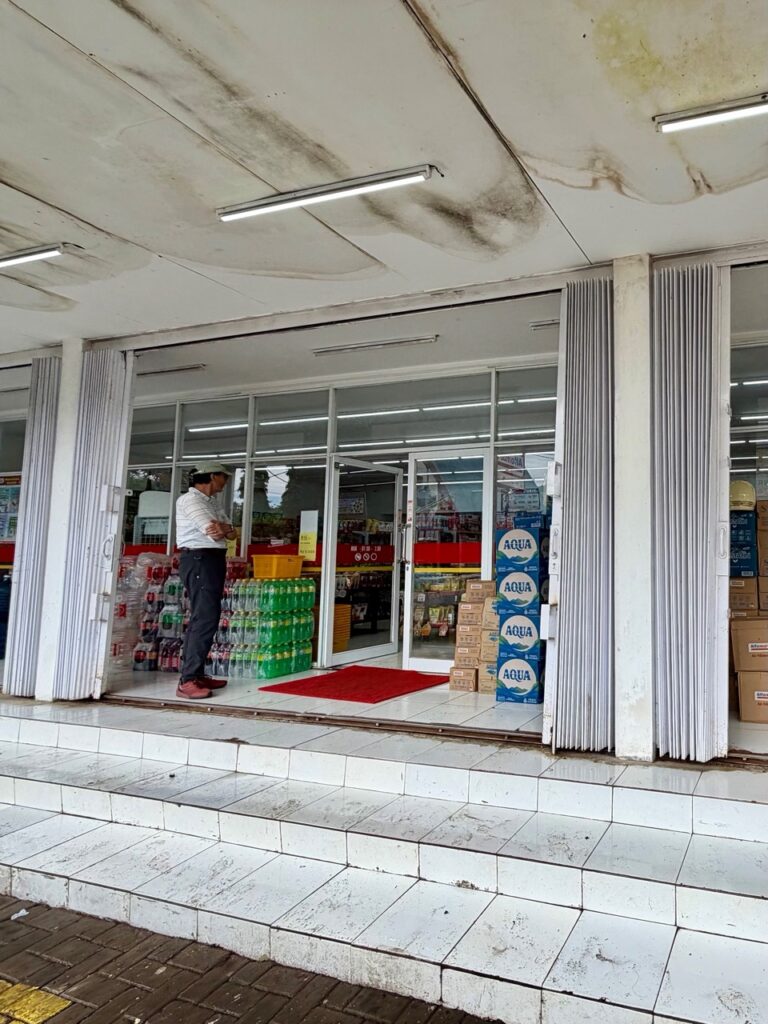
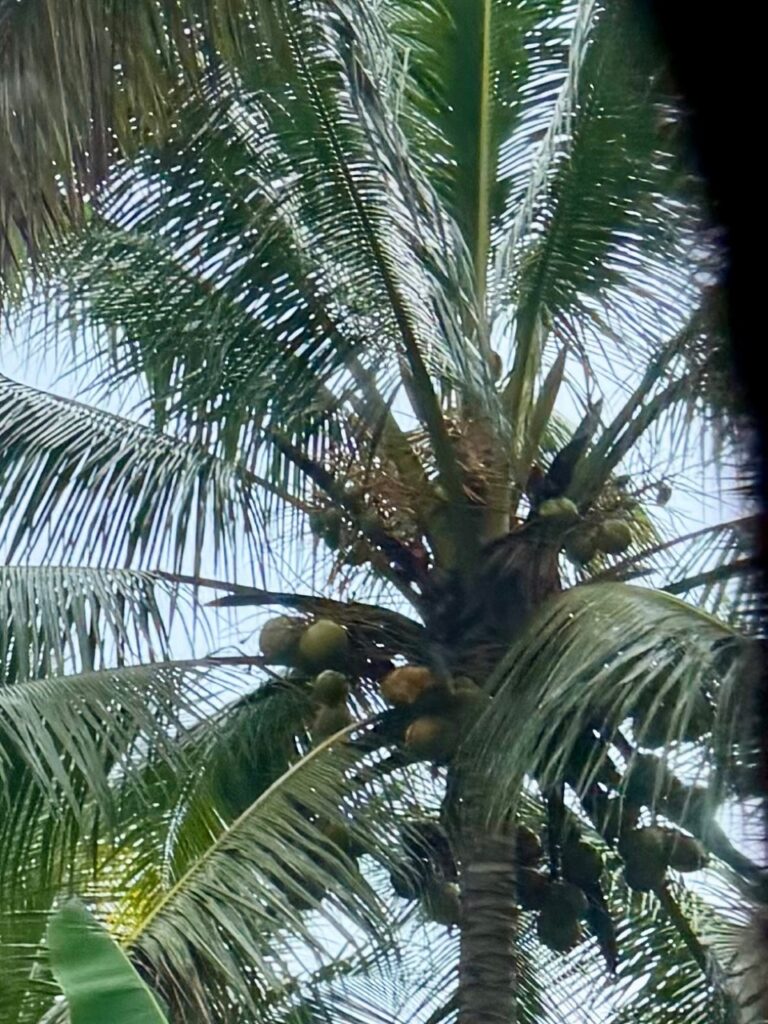
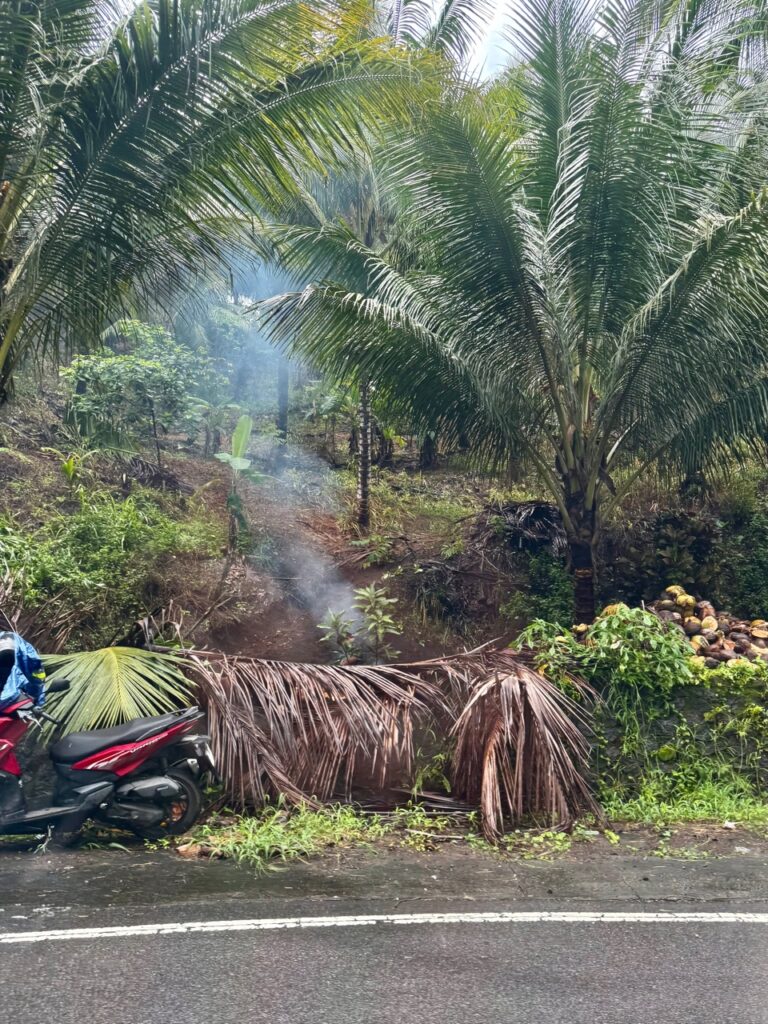
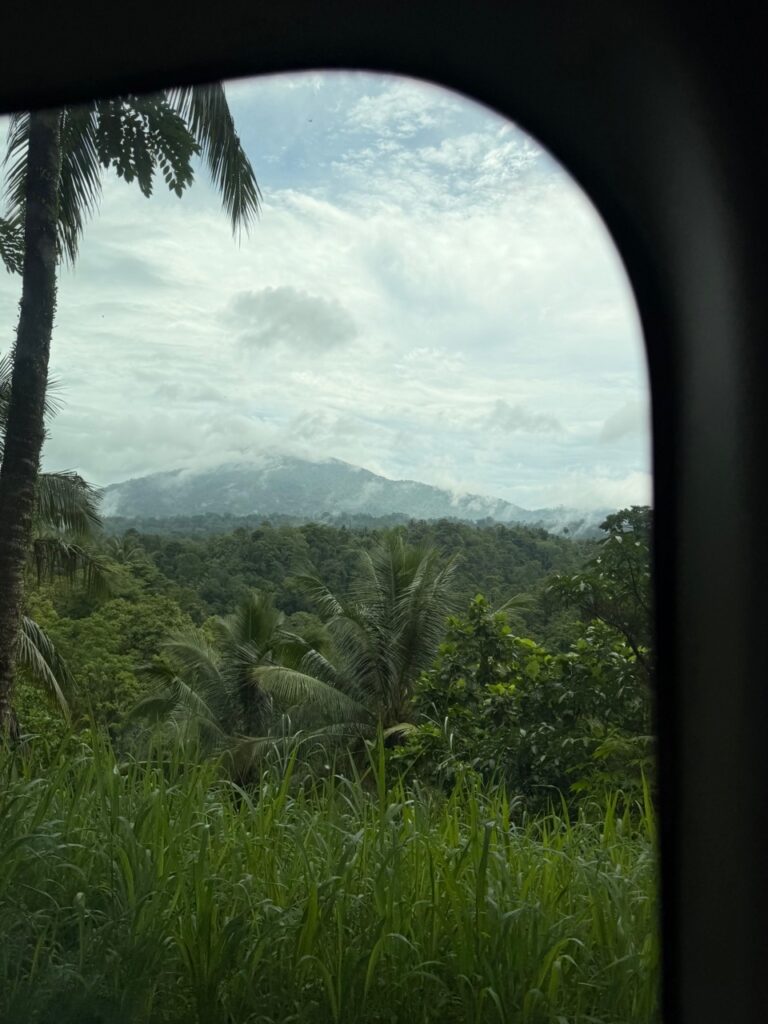
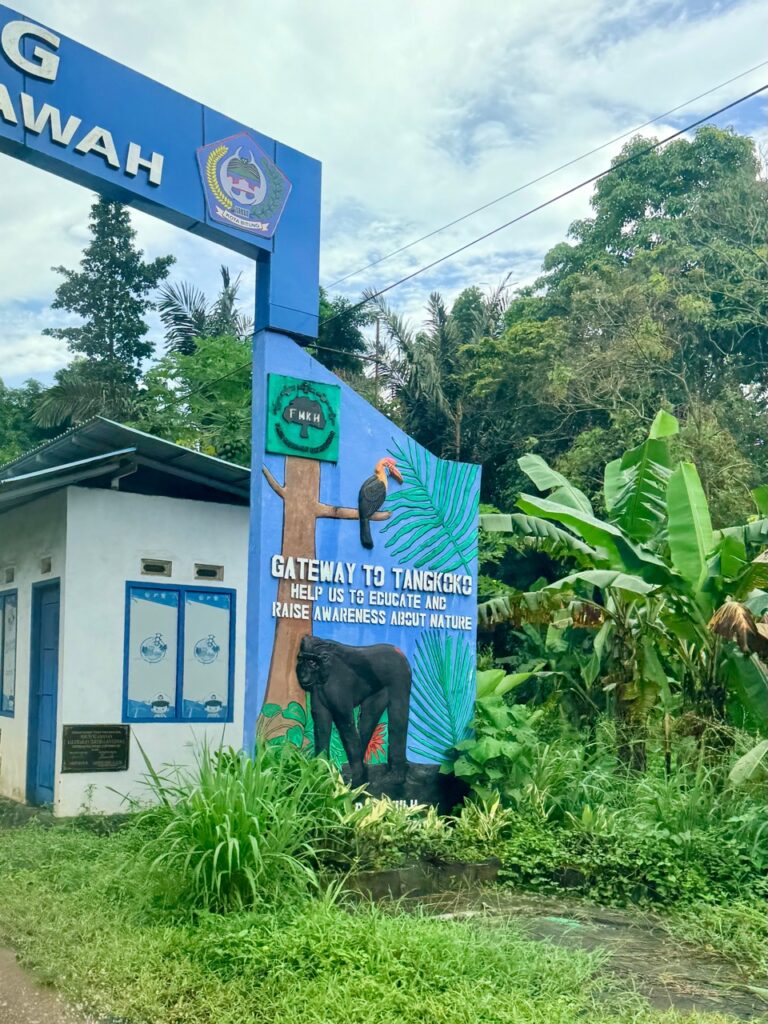
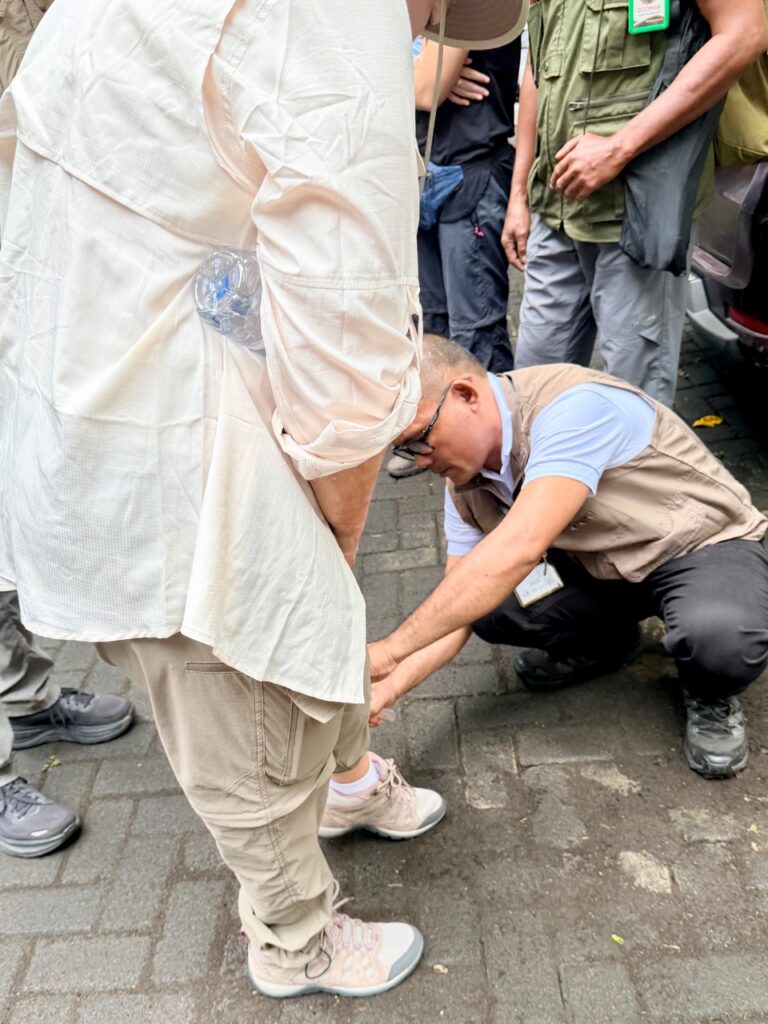
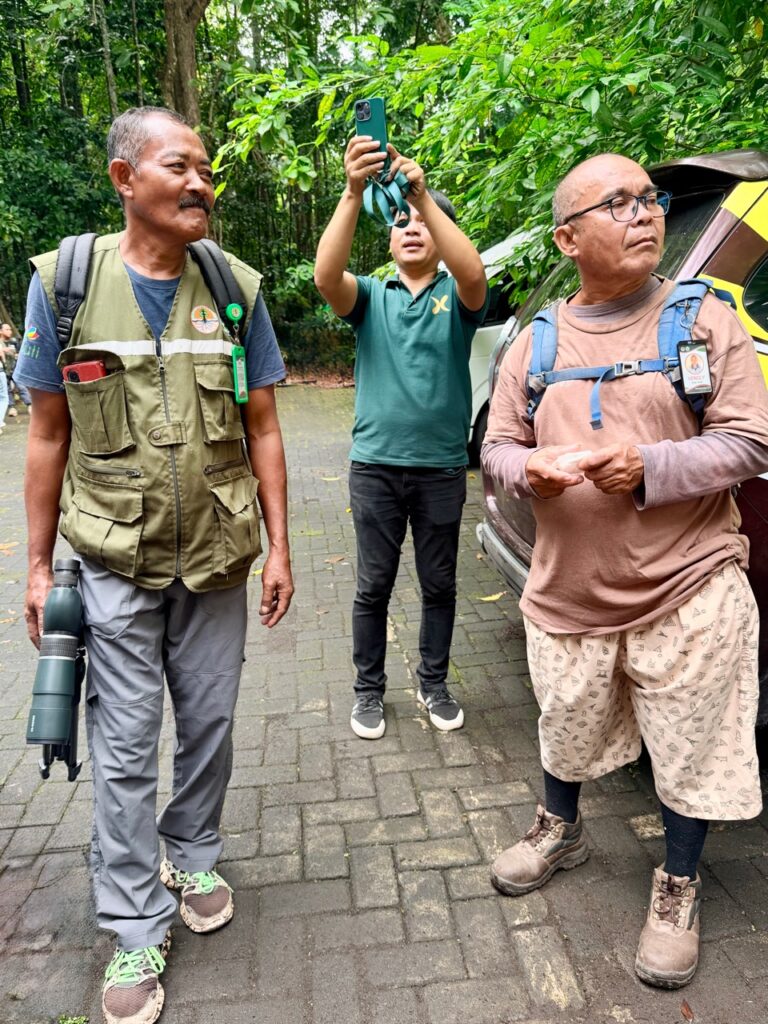
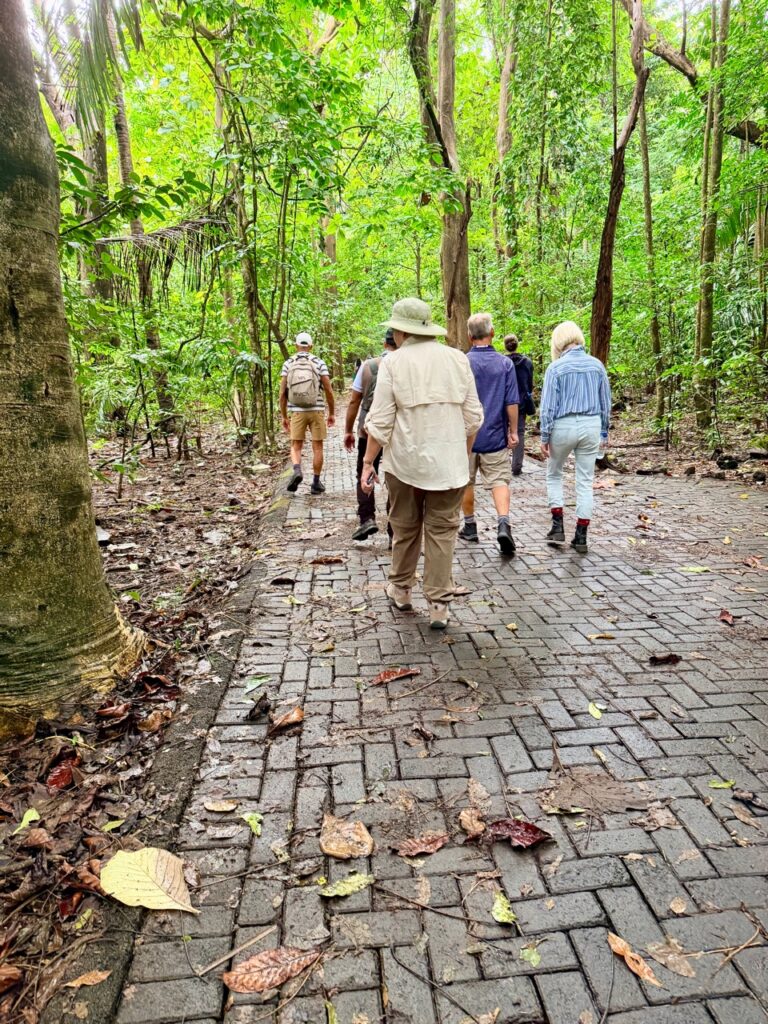
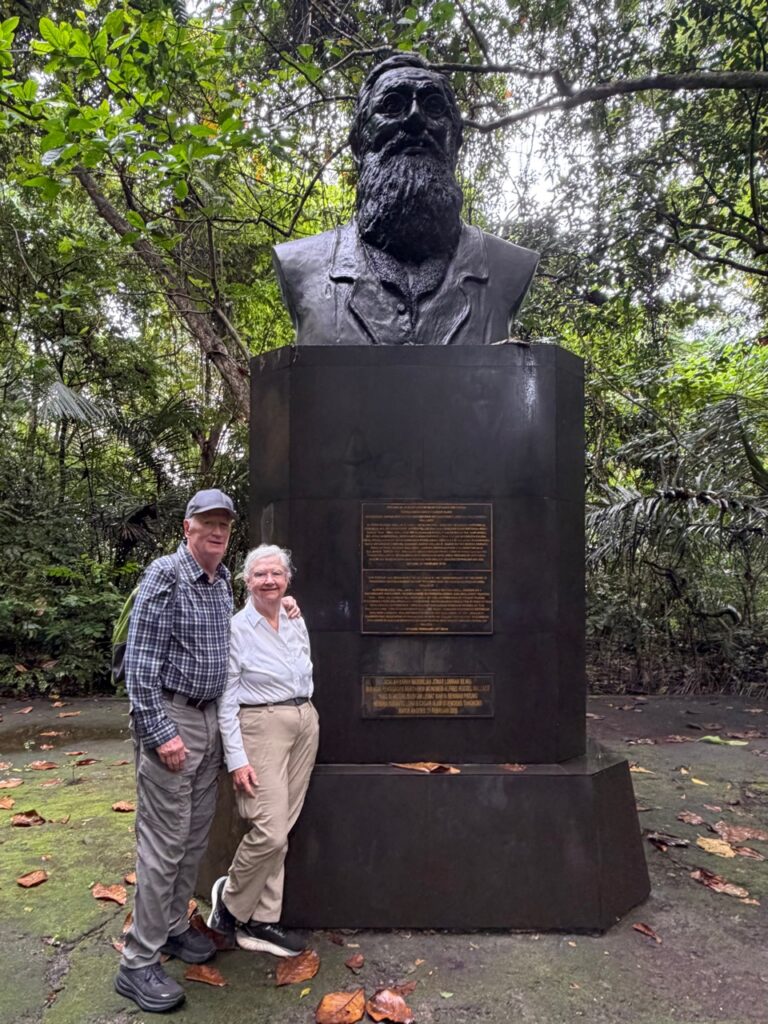
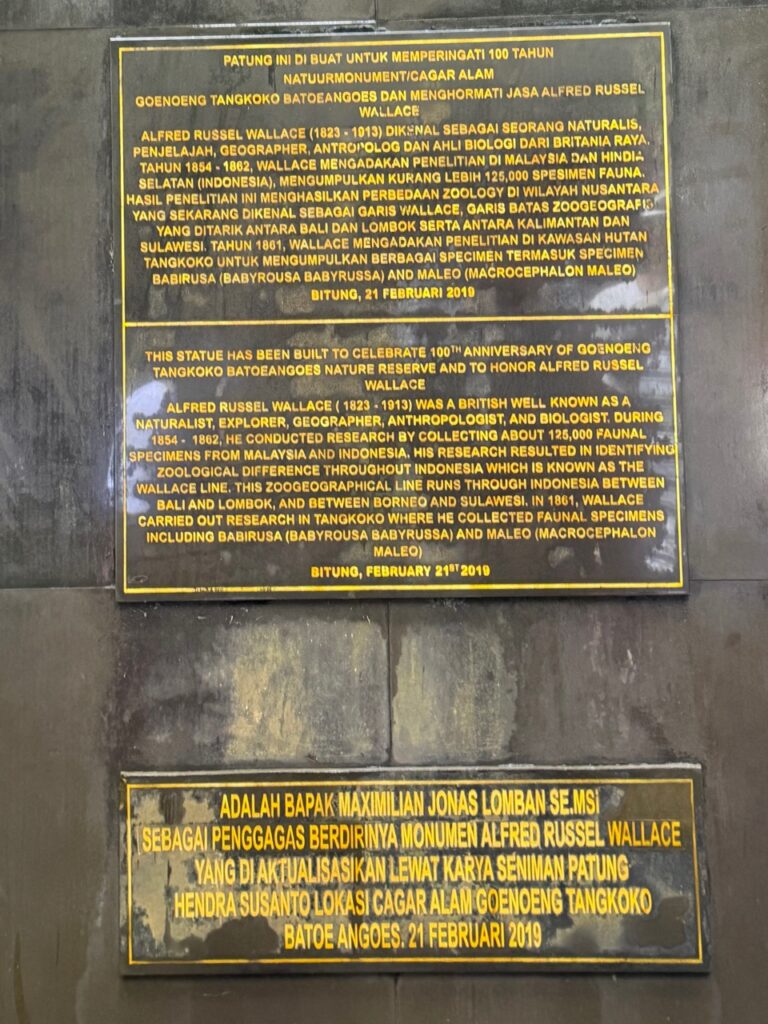
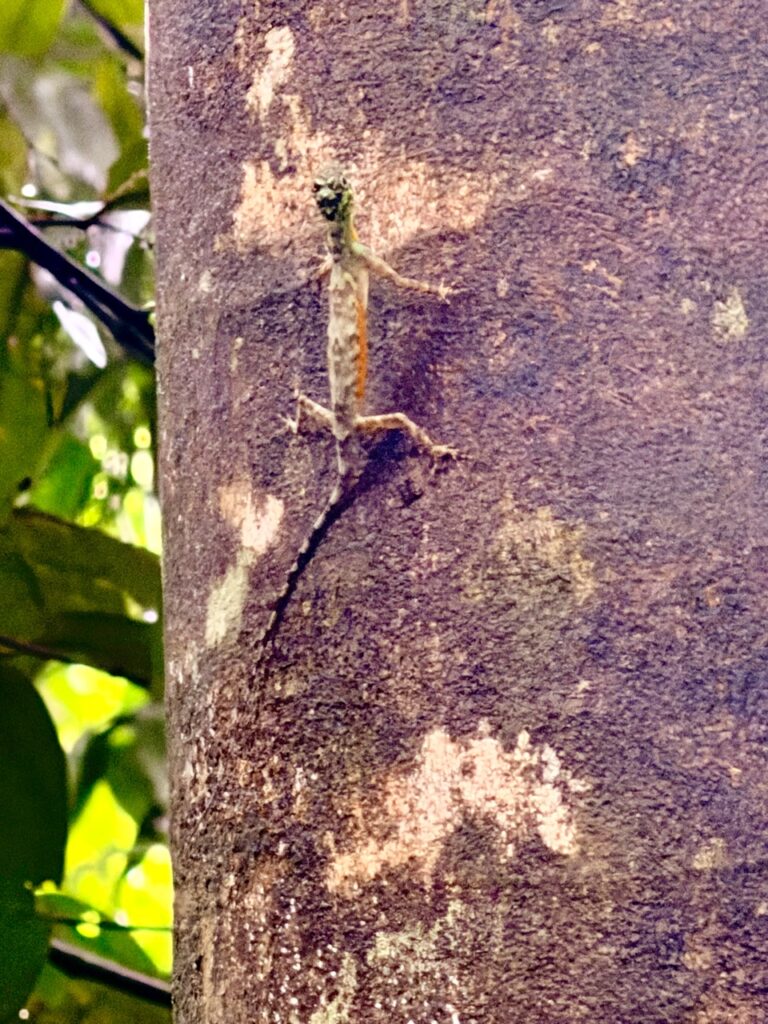
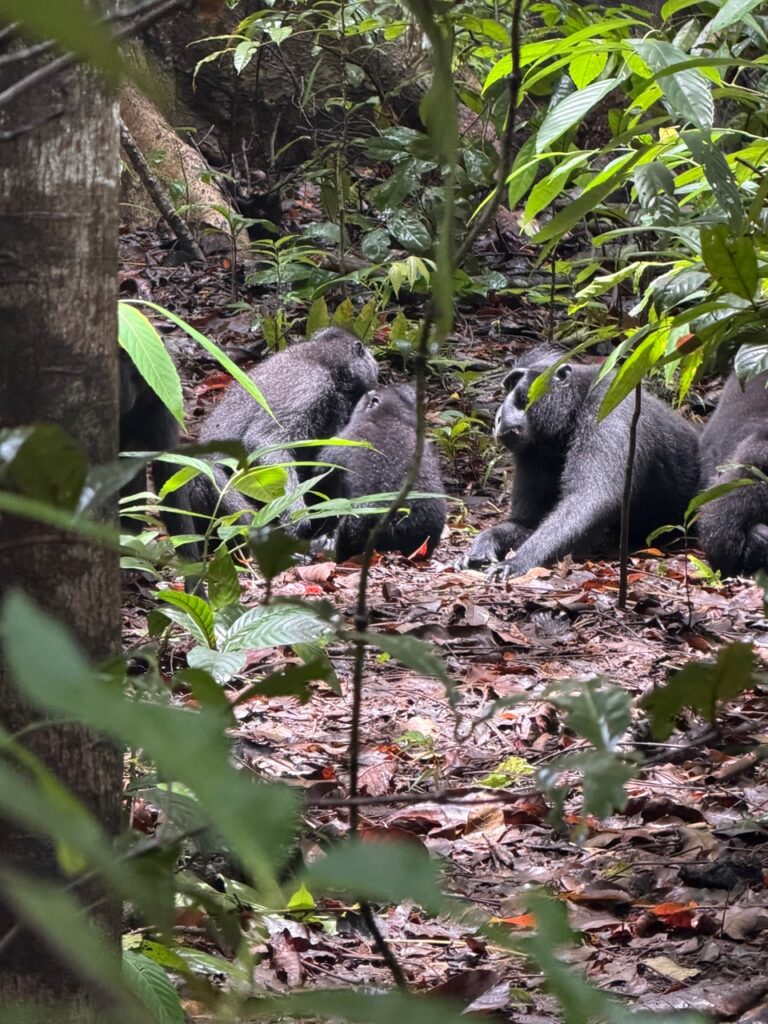
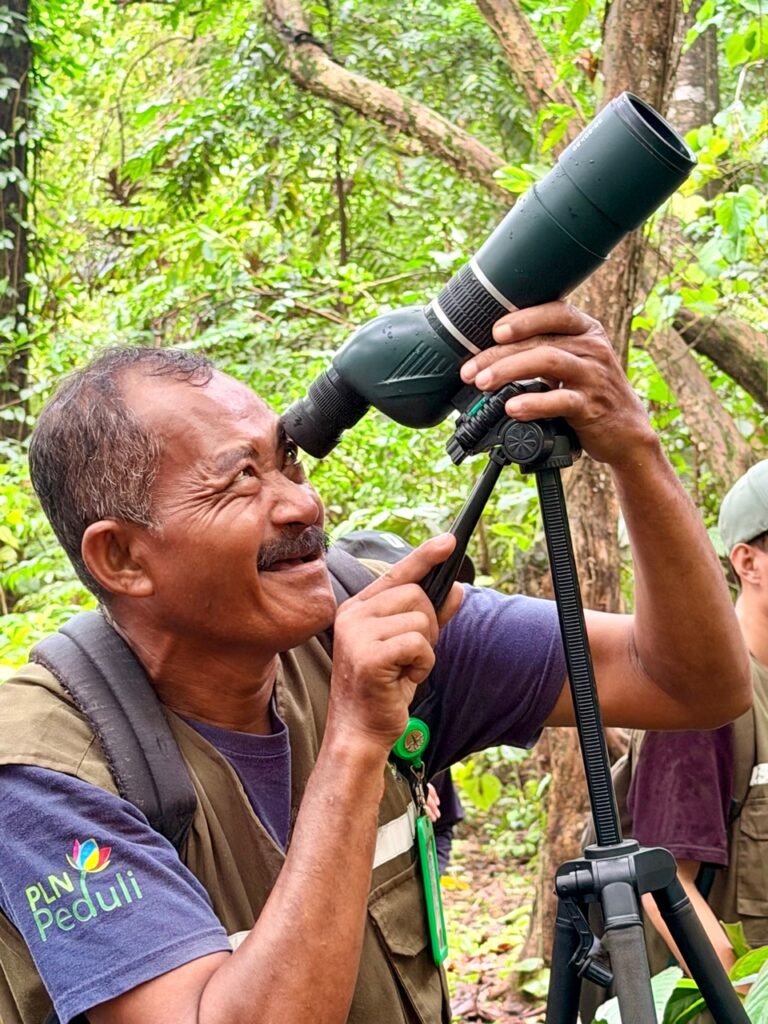
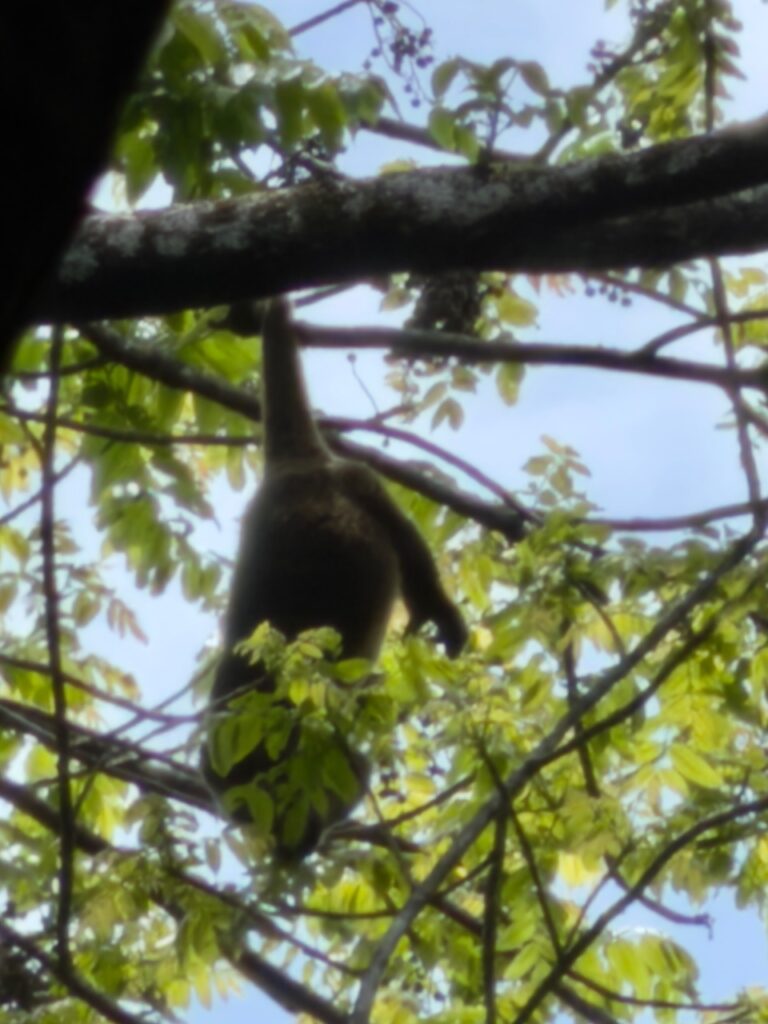
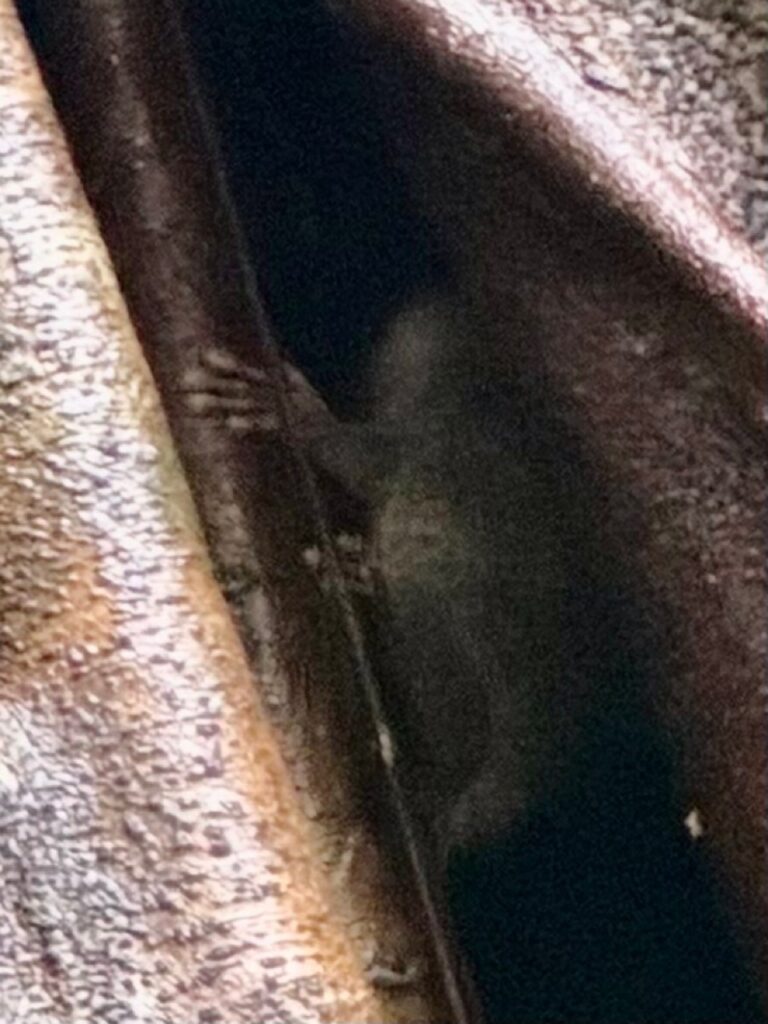
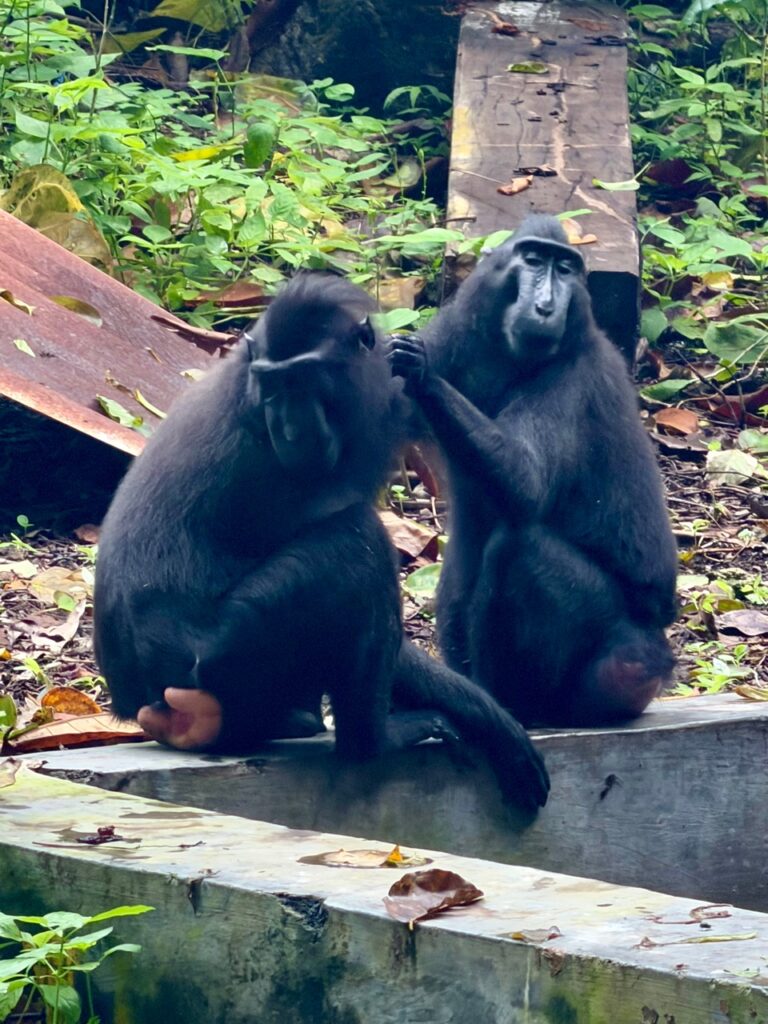
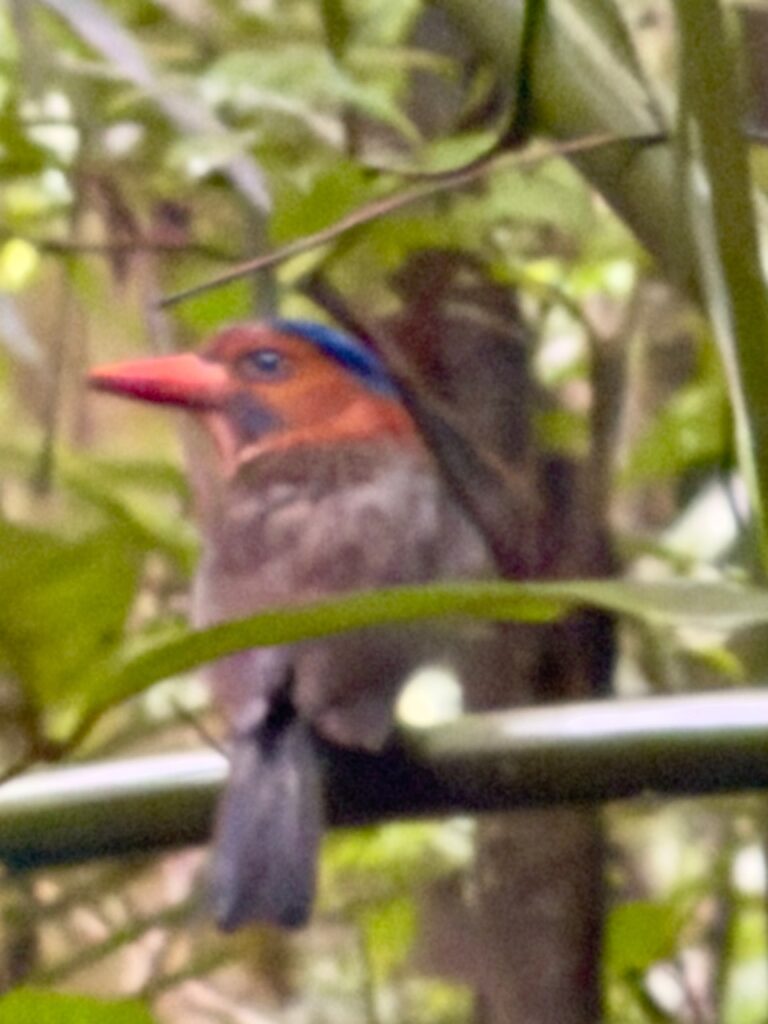
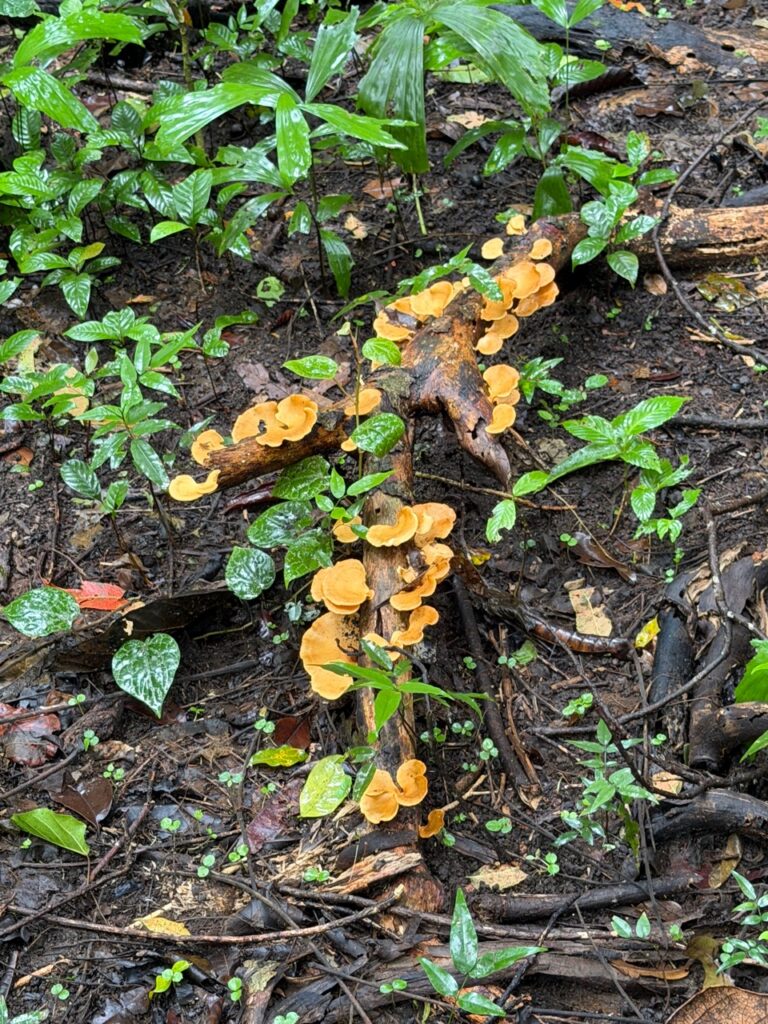
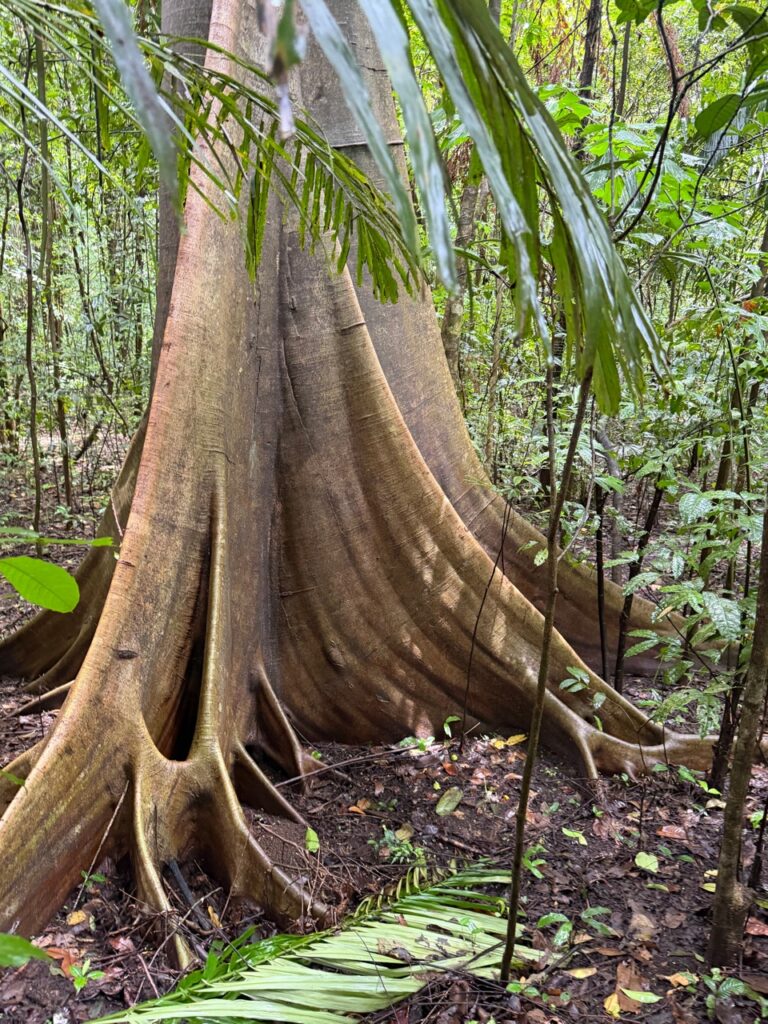
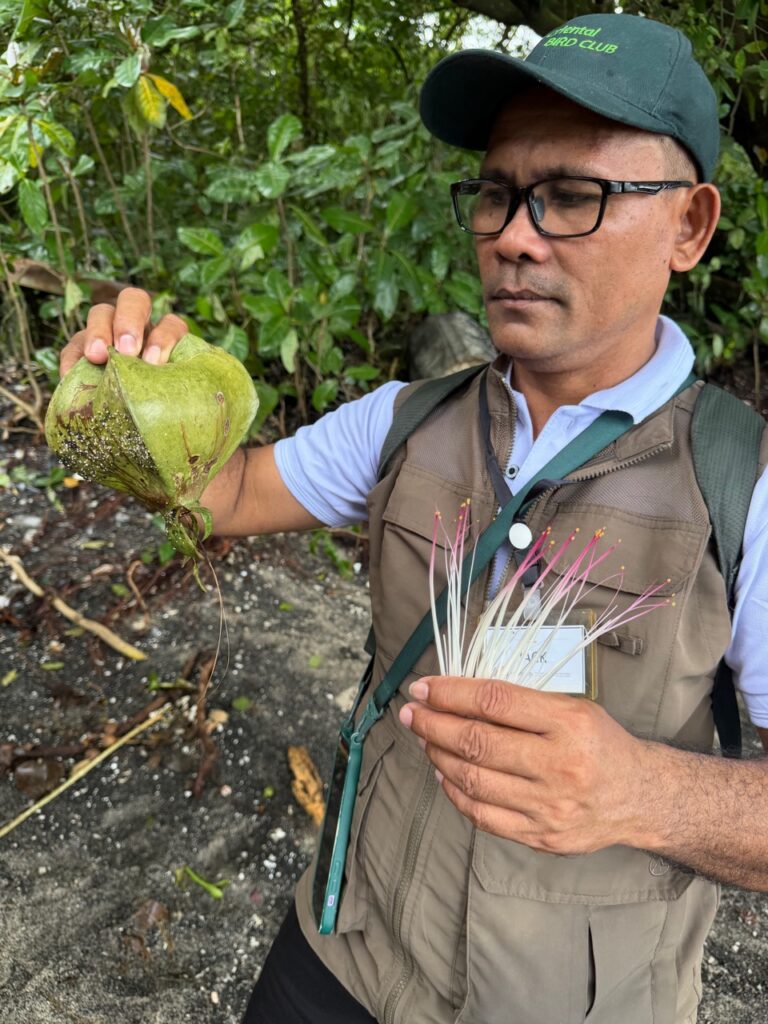
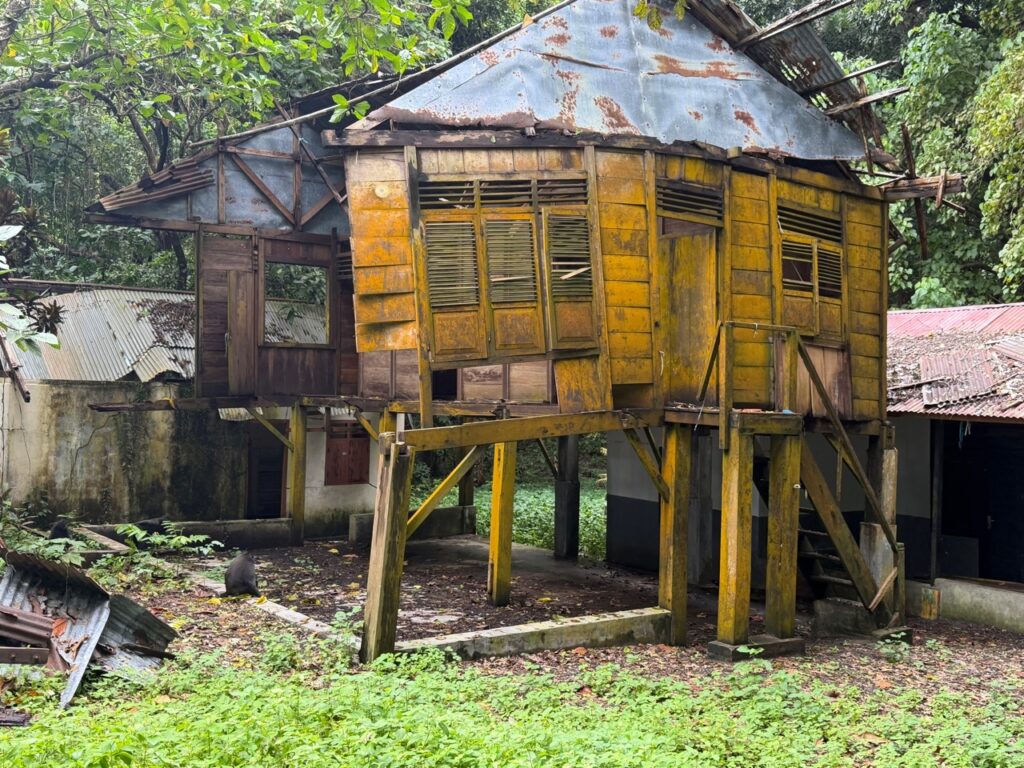
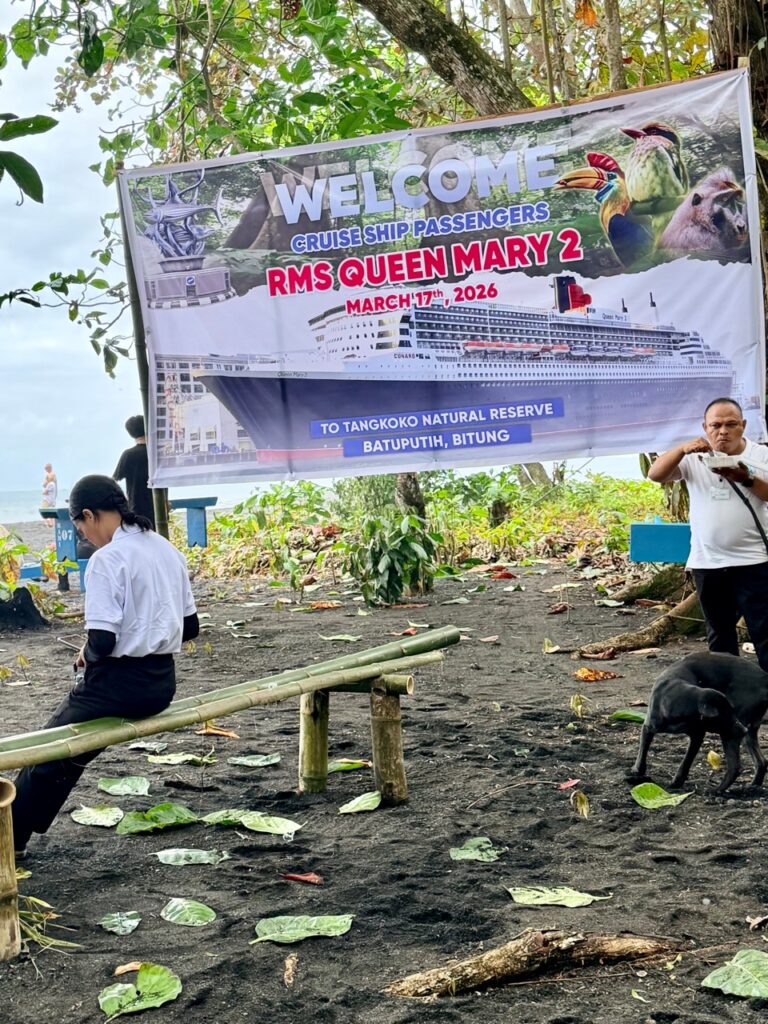
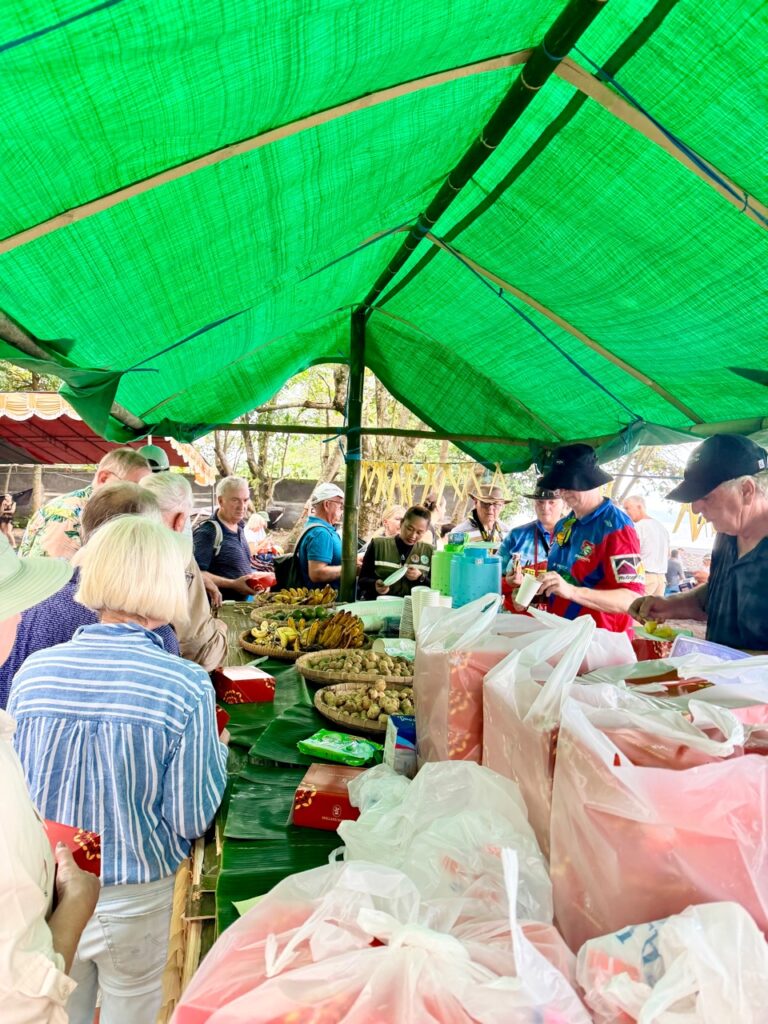
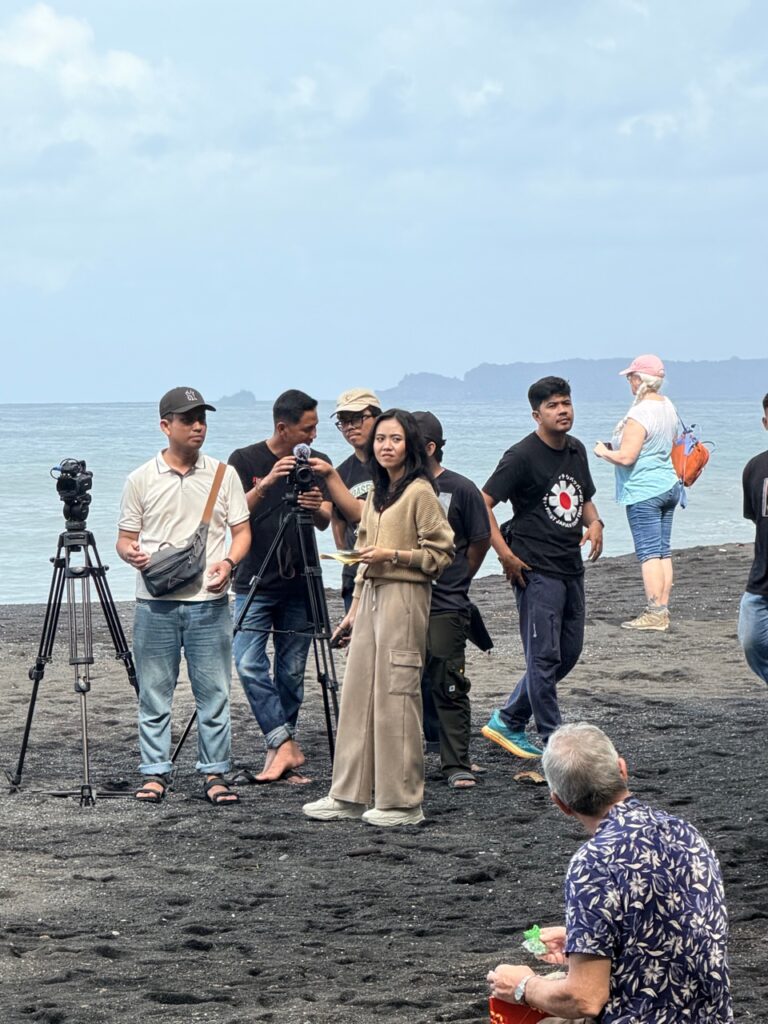
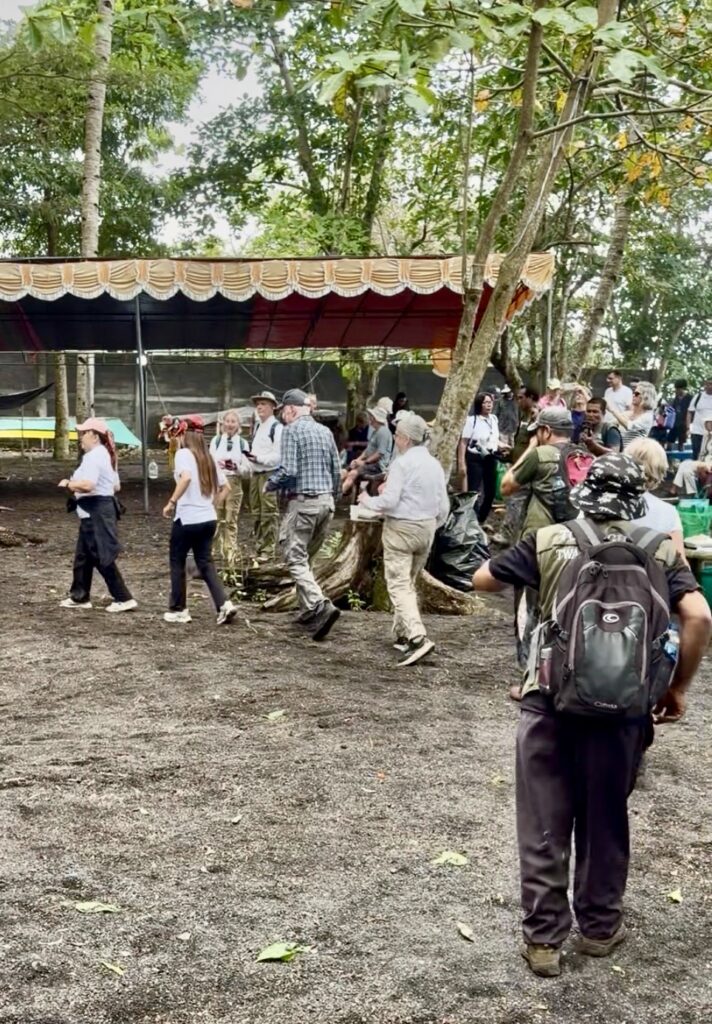
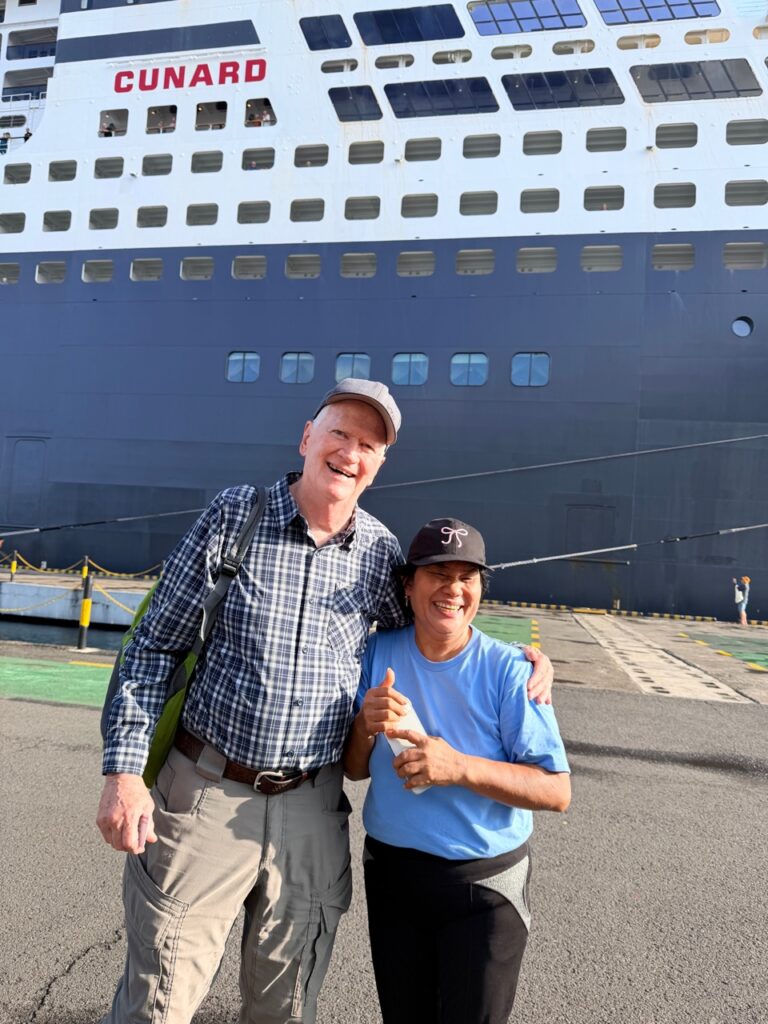
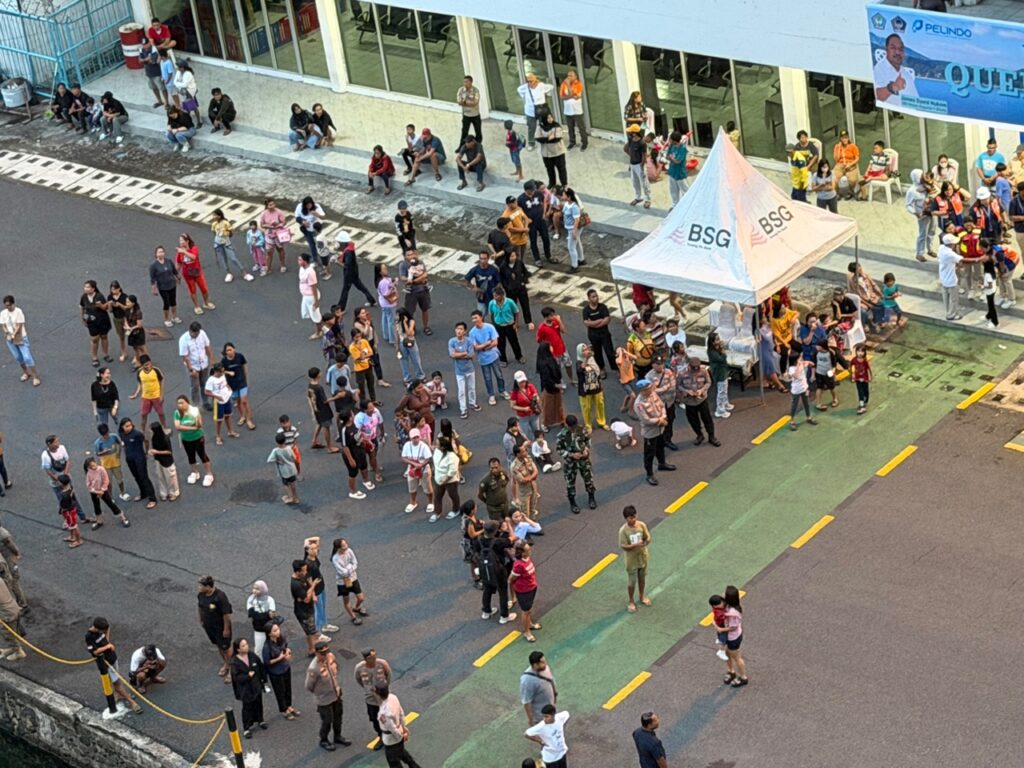
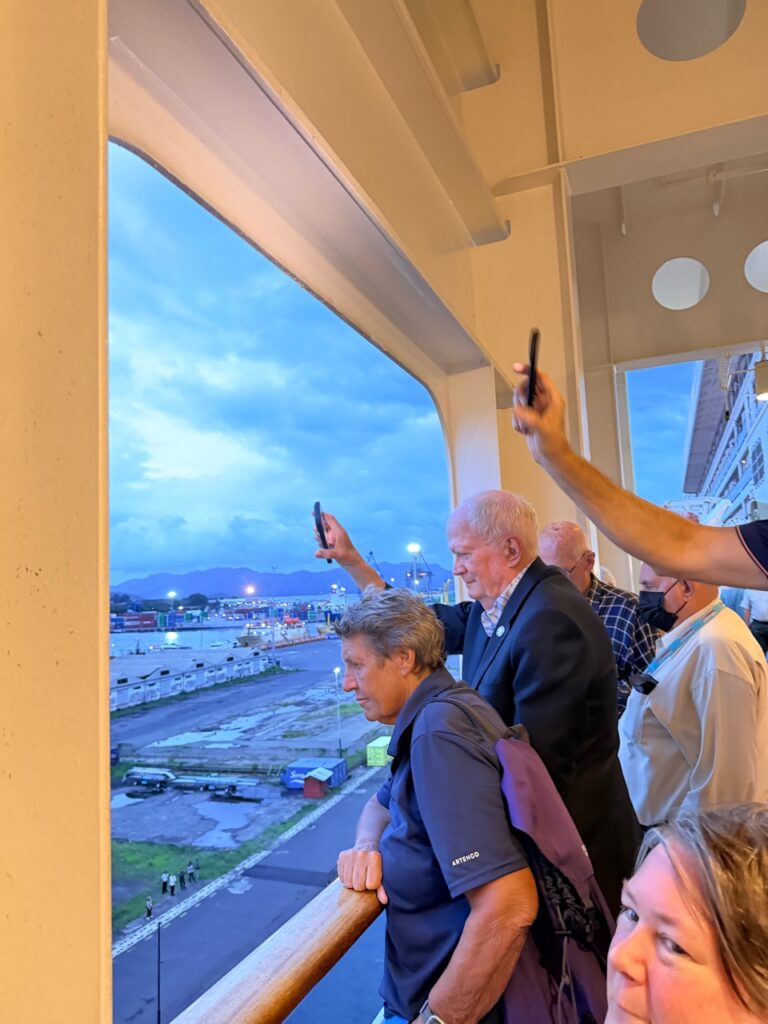
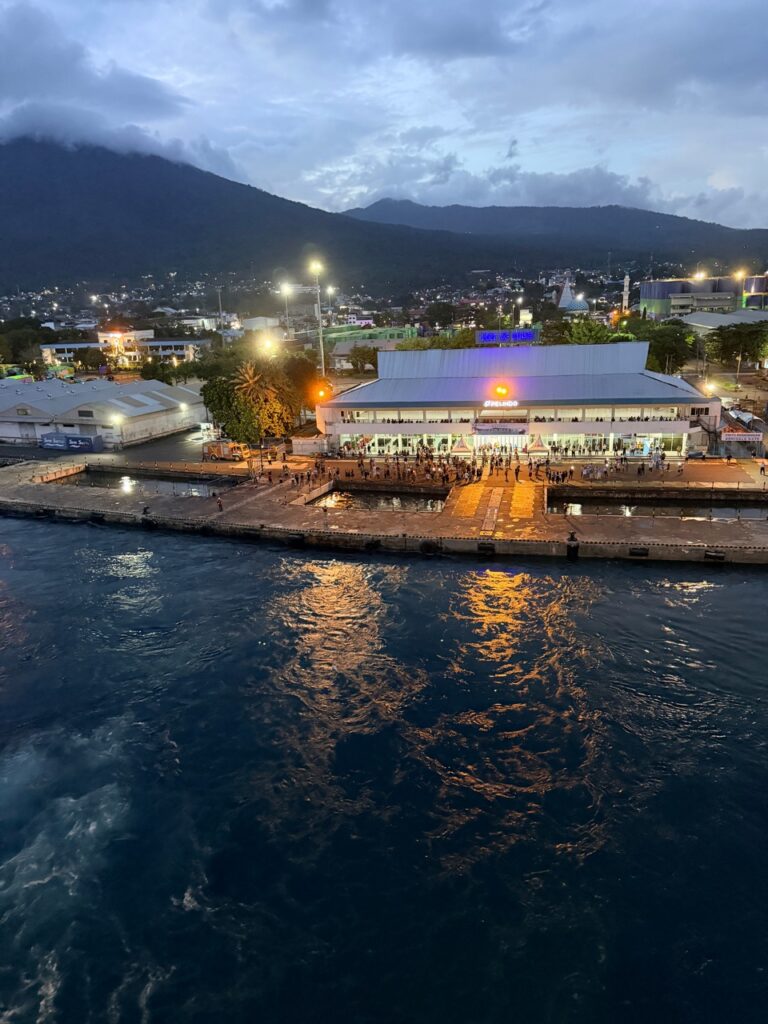
Truth be told we approached today’s adventure with a degree of trepidation. We knew so little about Indonesia and the the idea of trekking through a jungle seemed a bit intimidating but the warm welcome we received as the ship pulled in and as we walked across the quay and into the terminal helped to allay our fears. Soon we had made it through Indonesian immigration process in a single file, and joined a group of ten travelers in a van that was part of a caravan headed to Tangkoko Batuangus Nature Reserve. It was reassuring that our tour guide “Jack” grew up in the community closest to the nature reserve and grew up knowing the jungle even before the park was established in 1991. He has been a guide there for nearly forty years. We knew we were in good hands. As we drove from the port through the City of Bitung, he described aspects of life in North Sulawesi. Of the three local ethnic groups, the Minahasans are the majority. In fact this is an area rich in churches, languages, and coconut trees. We noticed some evidence of Islam but mostly of Christianity including many symbols Lent outside the homes. Coconut products and Blue Fin Tuna exports play a big part in their economy. Along the way to the nature reserve we made a rest stop at an Alfamart convenience store. Let’s just say it that it was a cultural experience! Once we arrived at the Batarupi section of Tangkoko National Park we joined many other visitors that had also recently arrived in tour vans. In preparation for the jungle walk, Jack made sure we were all protected from mosquitoes then introduced us to two park rangers, Godman and Opa who would guide us through this tropical rain forest. At the first stop along the trail the two of us were positively delighted to discover a monument to Alfred Russel Wallace who first identified what would become known as The Wallace Line. He was a contemporary of Charles Darwin, working independently in the study of natural selection, who recognized distinct differences in the animals in western Indonesia from those in the eastern part. Continuing on from there the path transitioned from brick to unpaved and ranged from dirt to mud, from broad to narrow, and then to non-existent. Thank heavens for a guide so familiar with the place. Before long we were watching a group of Black Crested Macaques socializing and grooming one another. These Old World Monkeys, once hunted by the Minahasa for food, are found only on Sulawesi and neighboring islands. We also spotted a Sulawesi Cuscus, a marsupial that lives up in the trees as well as a a Sulawesi Dwarf-Kingfisher, a colorful bird that eats mainly insects. The star of the show may be the nocturnal Gursky’s spectral tarsier among the tiniest primates in the world with the largest eyes relative to size of their brains. We could just barely see this one hiding in a tree trunk crevice. Next we headed to the beach to make our acquaintance with what Jack called Bitung trees that flower only before dawn then drop their blossoms at daybreak. They produce an inedible fruit while growing in a volcanic/coral sand mix. As we walked back to the carpark we stopped to learn about the medicinal properties of several of the local trees. This is wisdom passed on tho Jack from his parents at a time when the community did not have access to modern medical clinics. The next stop on our schedule was an amazing lunch and party hosted by the locals on a beautiful black sand beach. We feasted on local foods, danced, and joined in their celebration of the arrival of the Queen Mary 2 in Bitung. One of our fellow travelers was interviewed for the local news! It seems that cruise ships arrive here only three or four times a year so they see it as a very special event. Once back aboard ship we stood out on Deck 7 with other passengers watching the party and waving to the locals on the quay who were making music and dancing and waving lit cell phones until we had sailed out of sight. The people here were genuinely eager to share not just their culture and their food with us, but also themselves! It has been a most incredible day, we stepped outside our comfort zone and allowed ourselves the opportunity to grow our vision of the amazing world we live in and to find another place we want to return to.

0 Comments